Hollywood's most enduring secret agent has never remained the same. From the confident gentleman of the 1960s to the emotionally troubled action hero of recent years, James Bond has repeatedly changed with the times. Now, another transformation is on the horizon as Robert Pattinson prepares to take over the iconic role.
Amazon MGM Studios announced Pattinson as the seventh official actor to play the British spy on November 16, 2026. The 40-year-old actor is expected to make his debut in a film planned for 2028. Denis Villeneuve will direct the project, while Steven Knight, creator of Peaky Blinders, is writing the screenplay.
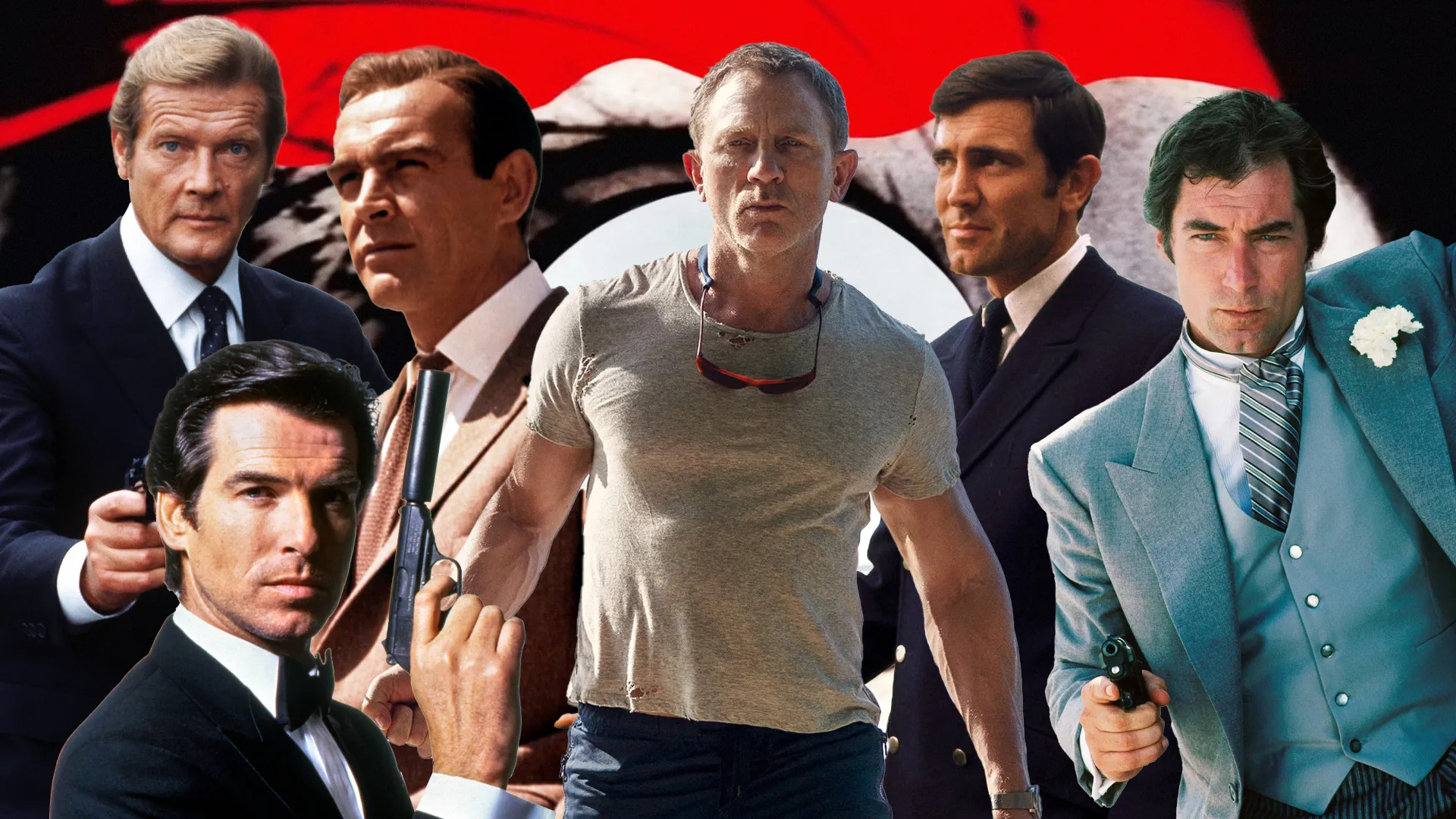
But the journey to Pattinson's appointment has been shaped by six very different performers, each bringing a new interpretation to the famous 007 identity.
Sean Connery: Setting the standard
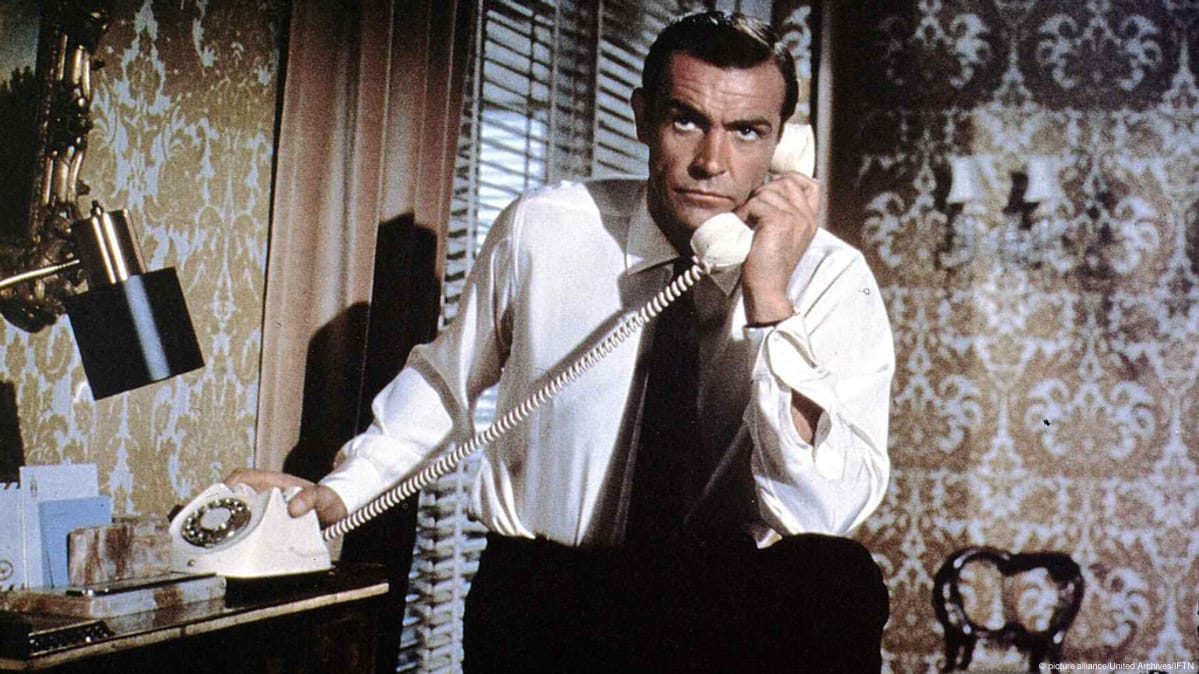
The franchise began with Sean Connery in Dr. No in 1962. His commanding screen presence, sharp dialogue and unmistakable style established the image that audiences would associate with Bond for decades. Goldfinger and From Russia with Love helped turn the character into an international sensation. Yet, some aspects of his portrayal, particularly its treatment of women, have become subjects of criticism.
George Lazenby: A brief but memorable chapter
Replacing Connery was never going to be easy. Australian actor George Lazenby took the challenge in On Her Majesty's Secret Service (1969). Despite having no established career as a film actor, he delivered a different version of Bond, with greater emphasis on love and personal tragedy. He never returned for another official film, but his single performance has since earned considerable appreciation.
Roger Moore: Bond becomes entertainment
Roger Moore took the franchise in a lighter direction. His seven films, released between 1973 and 1985, relied heavily on humour, spectacular stunts and extravagant adventures. The Spy Who Loved Me and Moonraker represented the scale of his era. His approach attracted audiences, although some critics felt that comedy and fantasy sometimes overshadowed the spy's original character.
Timothy Dalton: A return to the darker roots
With Timothy Dalton, the franchise moved away from excessive humour. His two appearances, The Living Daylights and Licence to Kill, presented a more serious agent motivated by duty and personal revenge. Although his tenure was short, his interpretation helped lay the groundwork for the more emotionally complex Bond that audiences would later see.
Pierce Brosnan: Rebuilding Bond for a new age
The franchise returned in 1995 with GoldenEye, introducing Pierce Brosnan after a six-year absence. His combination of elegance, humour and modern action helped Bond regain international popularity. His four films also reflected a changing world, where Cold War rivalries were giving way to new security threats and technological challenges.
Daniel Craig: The spy behind the action
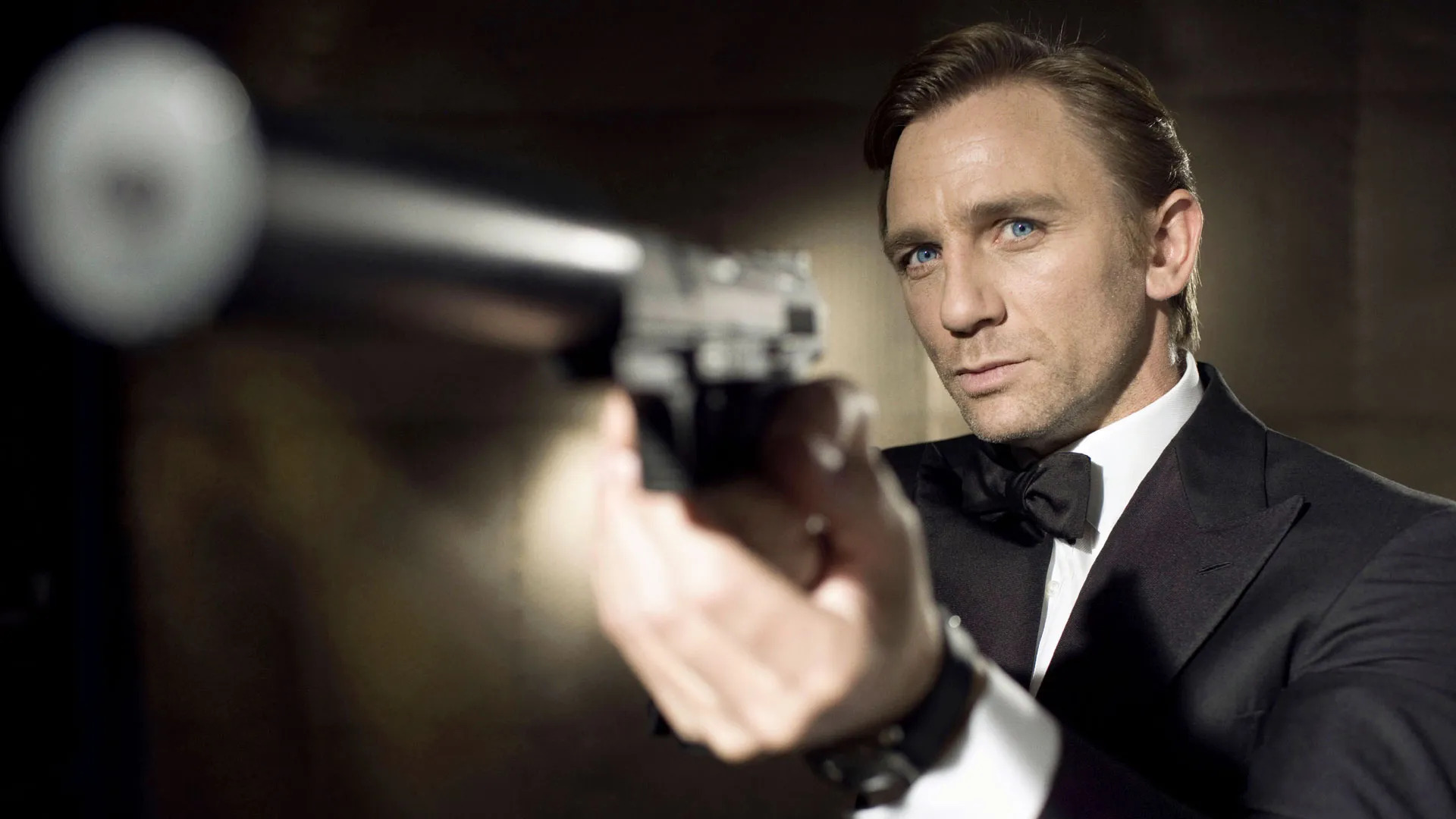
Daniel Craig's arrival in Casino Royale (2006) marked another major departure. Instead of presenting an almost invincible hero, the films explored Bond's emotional struggles, physical injuries and complicated relationships. His five-film run included Skyfall, which earned more than $1 billion worldwide. His final appearance in No Time to Die ended with the character's death, breaking one of the franchise's longest-standing traditions.
A different Bond for a different generation
Pattinson's appointment comes at a time when audiences expect more than spectacular action and stylish espionage. His previous performances in The Batman, Good Time and The Lighthouse have demonstrated his interest in complex and unconventional characters.
Whether that experience will translate into a successful Bond performance remains to be seen. But the franchise has never depended on one fixed image of its leading man. Its longevity has come from the ability to reinvent him. Pattinson now faces the challenge of making a 60-year-old cinematic legend speak to a new generation without losing the identity that made 007 famous.
Sources: Multiple international media outlets