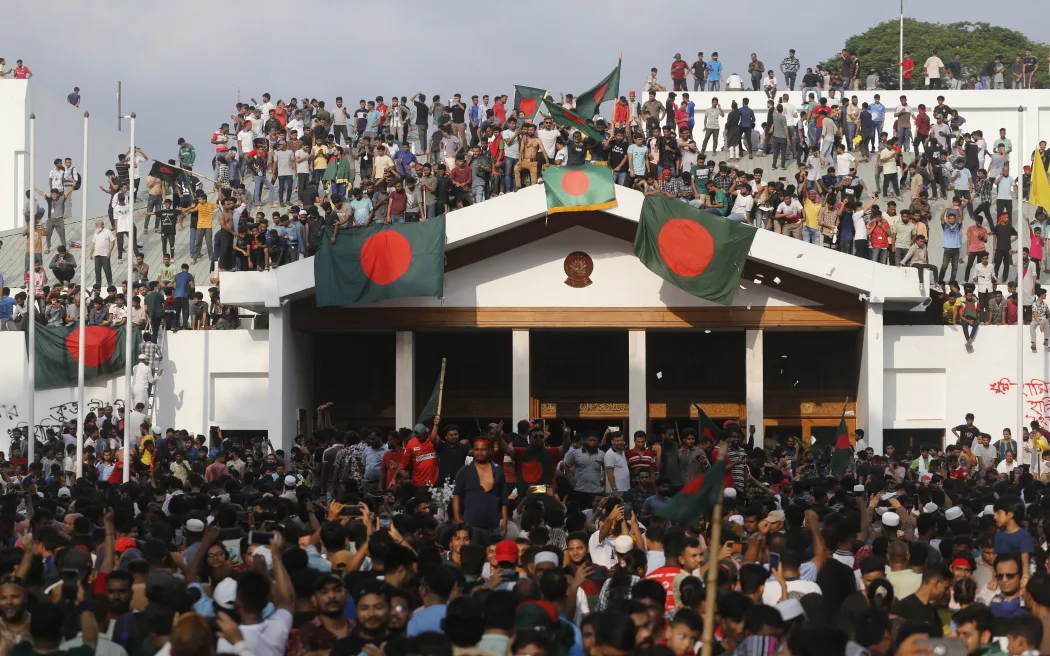
Bangladesh marked the second anniversary of the 2024 July Uprising with nationwide remembrance, renewed discussions on democratic reform, and continued debate over what many citizens and civil society groups describe as the vision of "Bangladesh 2.0." The symbolic phrase "36th July," coined during the height of the nationwide protests, has evolved into one of the defining expressions associated with the movement, representing a moment when many protesters believed the country's political trajectory had fundamentally changed.
Across the country, citizens, students, academics, journalists, and rights advocates observed the anniversary through memorial events, public discussions, cultural programs, and online campaigns commemorating those who lost their lives during the protests. The anniversary also prompted renewed examination of the political, institutional, and social reforms many demonstrators demanded in 2024.
For many Bangladeshis, the second anniversary is not only about remembering a period of unrest but also about evaluating the progress made toward building a more accountable and inclusive state.
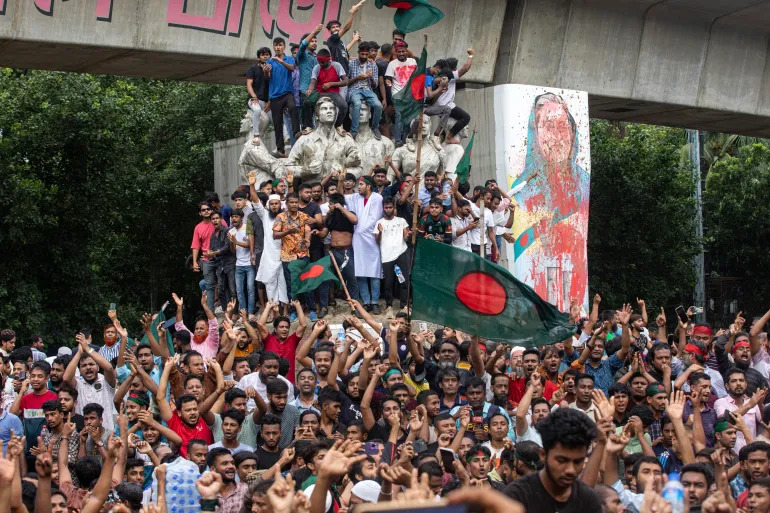
Understanding the Meaning of "36th July"
The expression "36th July" emerged during the prolonged demonstrations of July 2024. Although not an official calendar date, it became a powerful symbolic phrase used by protesters to convey that the political crisis had extended beyond ordinary time. The slogan reflected a widespread perception that Bangladesh had entered an extraordinary national moment requiring structural change rather than temporary political solutions.
Over the past two years, "36th July" has become embedded in public discourse, appearing in documentaries, academic discussions, literature, visual art, and commemorative events. Many participants now regard the phrase as representing resilience, civic participation, and demands for institutional reform.
The July Uprising and Its Legacy
The 2024 protests began with student demonstrations before expanding into a broader nationwide movement involving citizens from diverse social and professional backgrounds. Demonstrators raised concerns over governance, accountability, civil liberties, economic pressures, and institutional transparency.
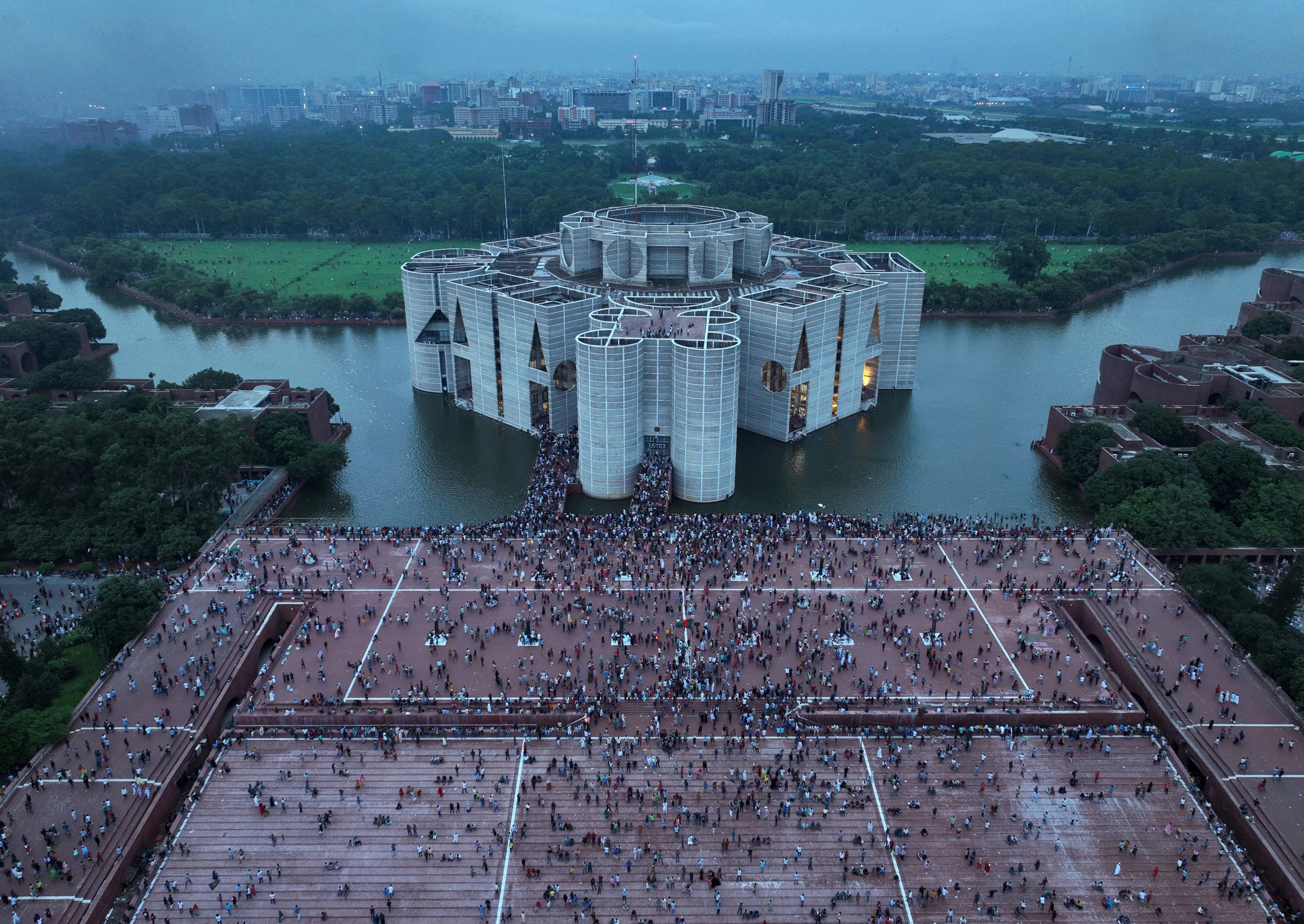
The movement ultimately became one of the most significant political developments in Bangladesh's recent history, drawing widespread international attention and prompting responses from governments, human rights organizations, and multilateral institutions.
Although interpretations of the uprising differ across Bangladesh's political landscape, analysts generally agree that it reshaped national political discourse and significantly influenced public expectations regarding governance and democratic institutions.
Two years later, the anniversary serves as an opportunity to assess how those expectations have translated into practical reforms.
Bangladesh 2.0: A Vision Beyond Political Change
Supporters of the movement increasingly describe its long term aspirations as "Bangladesh 2.0," a phrase referring not to a formal government program but to a broader vision for the country's future.
The concept encompasses several widely discussed priorities:
- Stronger democratic institutions.
- Greater judicial independence.
- Increased government transparency.
- Protection of civil and political rights.
- Merit based public administration.
- Expanded digital governance.
- Economic opportunities for young people.
- Improved accountability within state institutions.
Political scientists note that while the phrase lacks a single official definition, it represents a collective aspiration for reforms extending beyond changes in political leadership.
Observers argue that the success of any "Bangladesh 2.0" vision will ultimately depend on sustained institutional development rather than symbolic milestones alone.
Public Remembrance Shapes the Anniversary
Across universities, educational institutions, civic organizations, and community groups, remembrance ceremonies emphasized the importance of preserving historical memory.
Families of victims, survivors, and participants in the movement have repeatedly called for continued documentation of the events surrounding the uprising. Several research organizations and academic institutions have also initiated oral history projects and archival efforts aimed at preserving eyewitness accounts for future generations.
Cultural programs featuring poetry, music, photography exhibitions, and documentary screenings highlighted how public memory continues to shape national conversations.
Social media campaigns using anniversary themed hashtags encouraged younger Bangladeshis to revisit the events of 2024 and discuss their relevance for the country's future.
Many participants described remembrance as an essential component of democratic accountability, arguing that societies benefit from openly reflecting on pivotal historical moments.
Progress and Continuing Challenges
Despite the symbolic significance of the anniversary, experts caution that meaningful institutional transformation requires long term commitment.
Governance specialists identify several continuing challenges, including:
- Strengthening public confidence in state institutions.
- Ensuring transparent and accountable governance.
- Protecting freedom of expression and peaceful civic participation.
- Expanding economic opportunities for Bangladesh's growing youth population.
- Building durable mechanisms for political dialogue and conflict resolution.
Policy analysts also note that Bangladesh faces broader structural challenges common to many developing economies, including climate vulnerability, rapid urbanization, inflationary pressures, and the need to sustain export competitiveness while diversifying economic growth.
Addressing these issues, they argue, will require cooperation among government institutions, political parties, civil society, businesses, and international development partners.
Regional and International Attention
The events of July 2024 attracted considerable international scrutiny, reflecting Bangladesh's strategic importance within South Asia.
As one of the world's largest economies by population and a major manufacturing hub, developments in Bangladesh carry implications for regional trade, migration, investment, and security cooperation.
International observers have continued to emphasize the importance of democratic governance, human rights, and institutional stability as essential foundations for long term economic development.
Regional analysts also note that Bangladesh's experience has become part of broader discussions across South Asia regarding youth participation in politics, digital mobilization, and the evolving relationship between citizens and state institutions.
Looking Ahead
While public interpretations of the July Uprising remain diverse, there is broad recognition that it marked a defining chapter in Bangladesh's contemporary history.
The second anniversary highlights not only remembrance but also reflection on whether the aspirations expressed during the protests are being translated into lasting institutional progress.
The phrase "36th July" continues to resonate because it symbolizes more than a protest movement. For many Bangladeshis, it represents an enduring call for accountability, civic participation, and democratic renewal.
Whether the vision commonly described as "Bangladesh 2.0" ultimately succeeds will depend less on commemorative events than on sustained reforms, inclusive governance, and continued public engagement.
As Bangladesh observes two years since the historic July Uprising, the anniversary stands as both a memorial to a transformative moment and a reminder that the pursuit of meaningful national progress remains an ongoing process.
BOB Post