

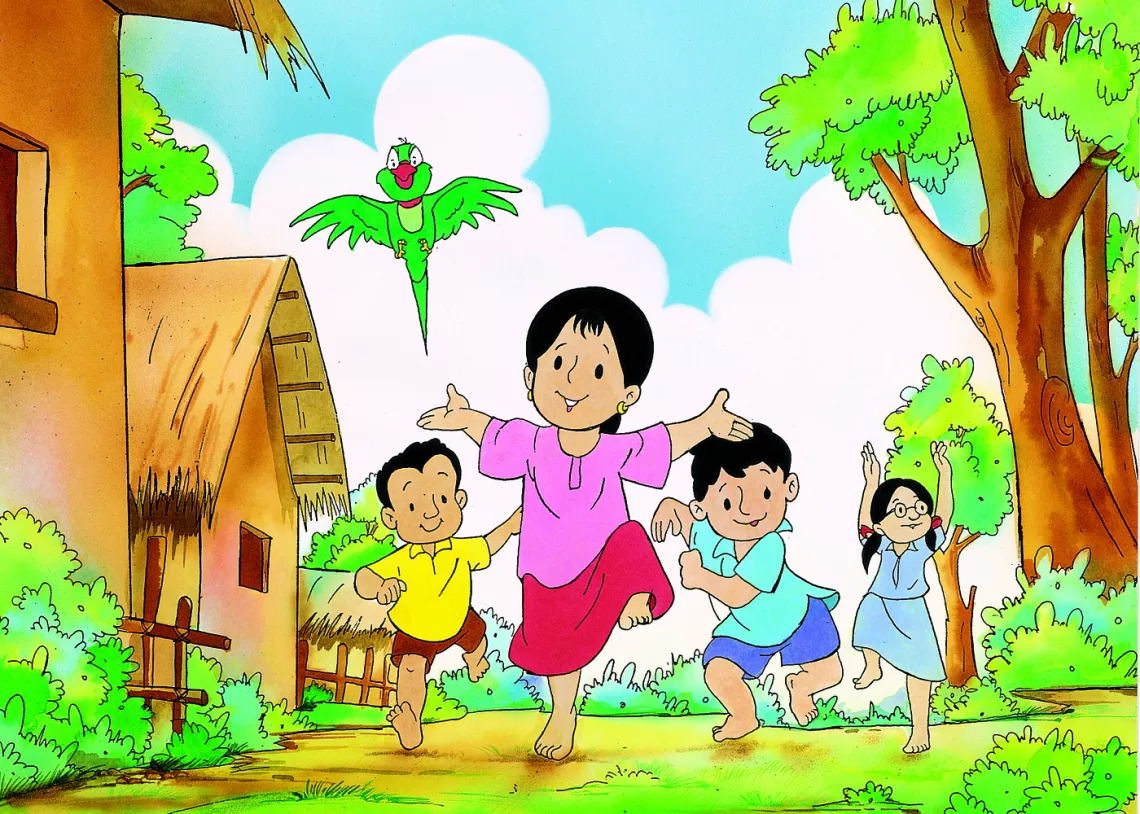
Long before smartphones became part of childhood, many children in Bangladesh had another familiar companion waiting on the television screen, a nine-year-old girl named Meena, her brother Raju and a talkative parrot called Mithu. For millions of children, watching Meena was part of growing up. But beneath the songs, humour and colourful animation were questions that reached far beyond the screen: Why should a girl be denied an education? Why should a child be married early? Why does washing hands matter? And why should children have a voice in decisions that affect their lives?
Those questions still give Meena a place in South Asia's development story.
Meena Day is being observed today, September 24, more than three decades after the character first appeared on television in the region. Developed by UNICEF as a communication initiative around girls' education, child rights and gender equality, Meena became one of the best-known children's characters in Bangladesh and several other South Asian countries.
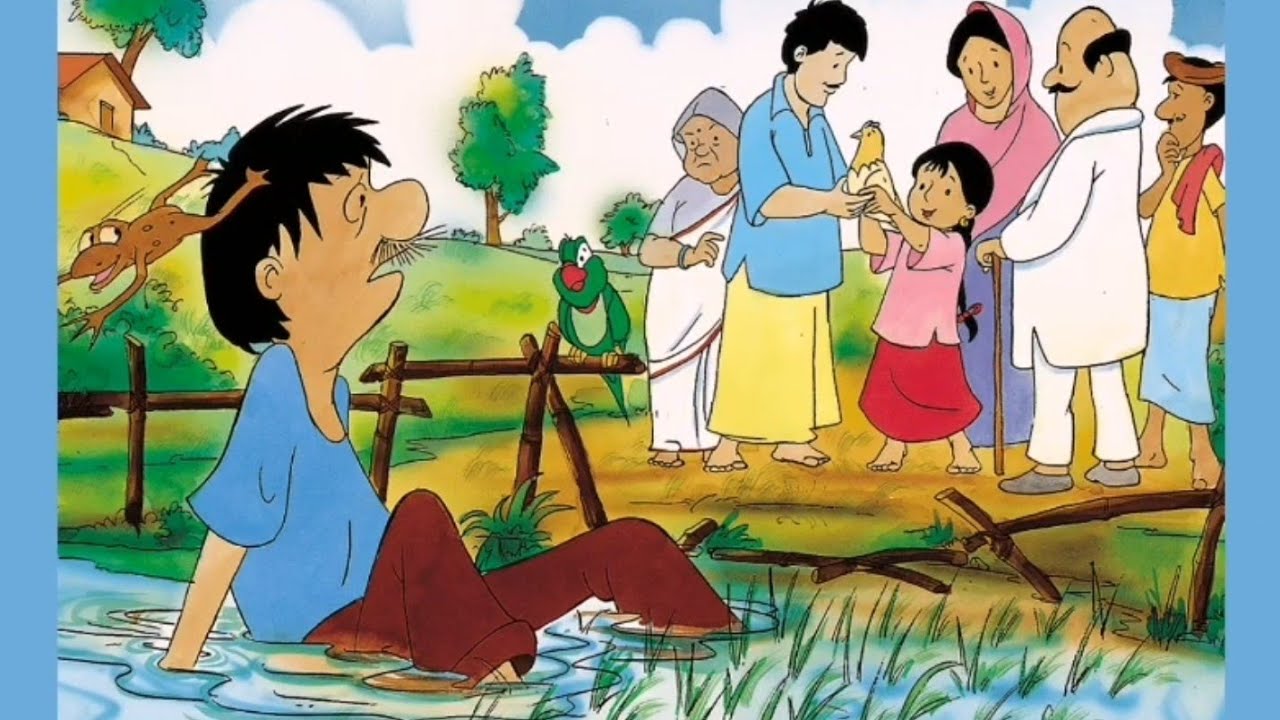
In Bangladesh, Meena made her television debut in 1993 on Bangladesh Television with the episode “Count Your Chickens”. The story followed Meena's determination to attend school, presenting the barriers faced by girls through a simple story that children could understand and families could discuss.
The character soon moved beyond television. Her stories appeared in radio programmes, comics, books and community activities, allowing the messages to reach children in places where television access was limited.
When a story becomes a conversation
Meena's influence was never simply about telling children what was right or wrong. Her strength was in making difficult social issues part of an ordinary child's world.
A lesson about hygiene could become a story about washing hands. A discussion about gender inequality could begin with a girl asking why her brother was given opportunities she was denied. The dangers of child marriage could be explained through characters and situations that children recognised from their own surroundings.
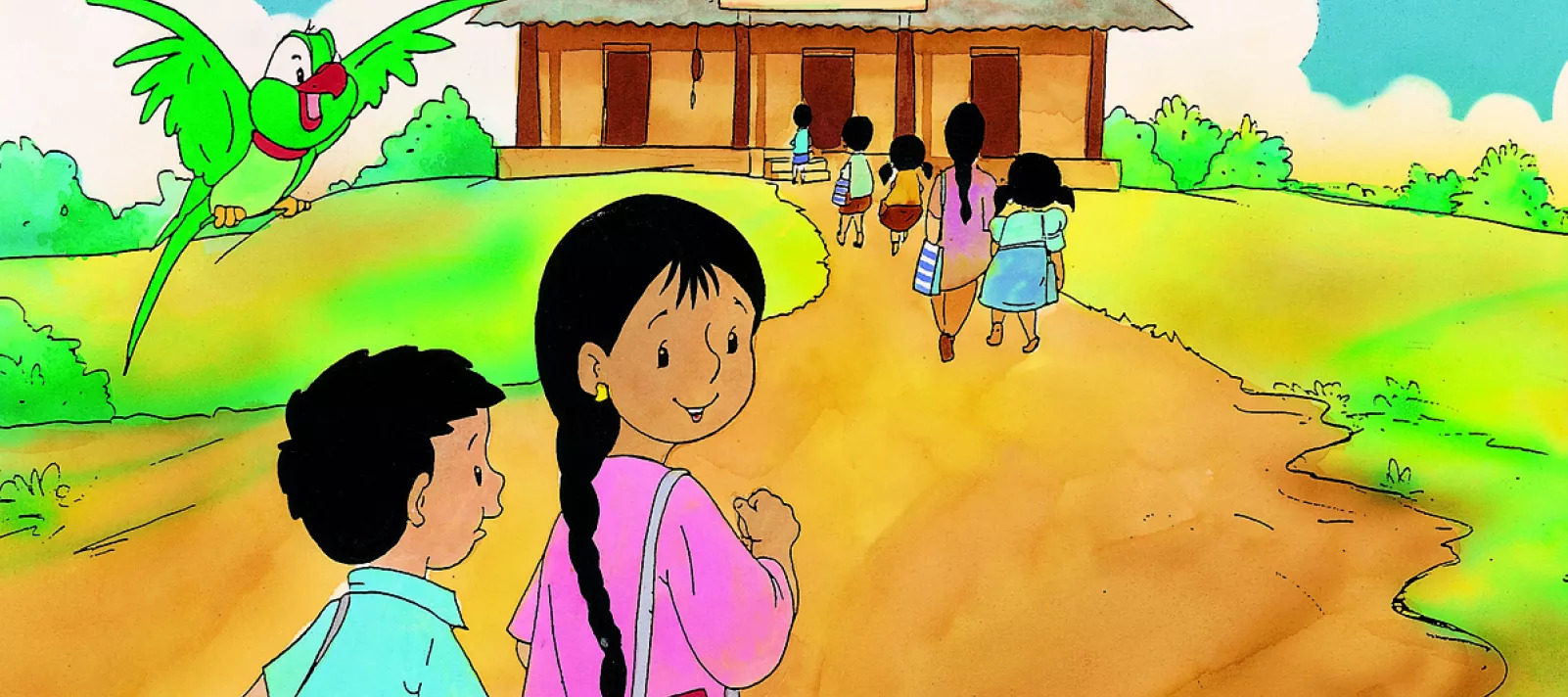
That is where development communication comes into the picture.
Effective communication for social change is not only about delivering information. It is about making people understand an issue, encouraging dialogue and creating space for communities to question practices that have long been accepted as normal.
Meena did this in a language that children understood.
Her stories gave parents and teachers a way to raise sensitive subjects without turning them into lectures. They also allowed children to see themselves not merely as recipients of messages, but as people capable of asking questions and challenging unfair practices.
From the screen to the community
The approach became particularly relevant in rural Bangladesh, where children's opportunities are often shaped by families, schools and wider community attitudes.
Sending a girl to school, preventing child marriage or encouraging better hygiene cannot be achieved through information alone. Families need confidence, communities need dialogue and children need supportive environments.
Meena's stories helped create that conversation.
School programmes, drawing competitions, discussions, book distribution and cultural activities around Meena have provided additional ways of connecting children with the messages behind the character. In remote and underserved communities, such activities can also turn communication into participation—allowing children to draw, discuss, question and express their own ideas about education, safety and their future.
The lesson remains relevant to development programmes today: communication becomes more meaningful when communities are engaged as participants rather than treated simply as audiences.
A character that grew with its audience
The first generation of Meena viewers are now parents themselves.
Some of them once watched her stories from the same living rooms where their own children may now encounter the character through newer forms of media. That generational connection has helped Meena remain more than a nostalgic figure from the 1990s.
UNICEF says Meena is widely recognized among children and adolescents in Bangladesh, while the character has also been used to promote discussion around children's rights and development.
Her influence eventually extended into journalism as well. UNICEF introduced the Meena Media Awards to encourage media professionals to produce stronger reporting on children and their rights.
The communication landscape, however, has changed sharply since Meena first appeared.
Today's children move between television, smartphones, YouTube, social media, games and a constant stream of digital information. A character that once had to compete with a handful of television programmes now faces an almost limitless attention economy.
That makes the basic idea behind Meena even more relevant.
Development messages need to be understandable, culturally familiar and connected to people's everyday experiences. More importantly, they need to create dialogue rather than simply deliver instructions.
More than a childhood memory
For Bangladesh, Meena is now part of a shared childhood memory. But her continuing value lies in what that memory represents.
A cartoon once asked children to imagine a world where girls could study, children could grow up safely and families could make healthier choices. Three decades later, those aspirations remain unfinished parts of the development agenda.
Perhaps that is why Meena has lasted.
She did not arrive with a speech about social change. She arrived as a child curious, determined, and willing to ask why things had to remain the way they were.
And sometimes, in a village classroom or a family living room, social change can begin with nothing more complicated than a child asking that same question.
BOB Post