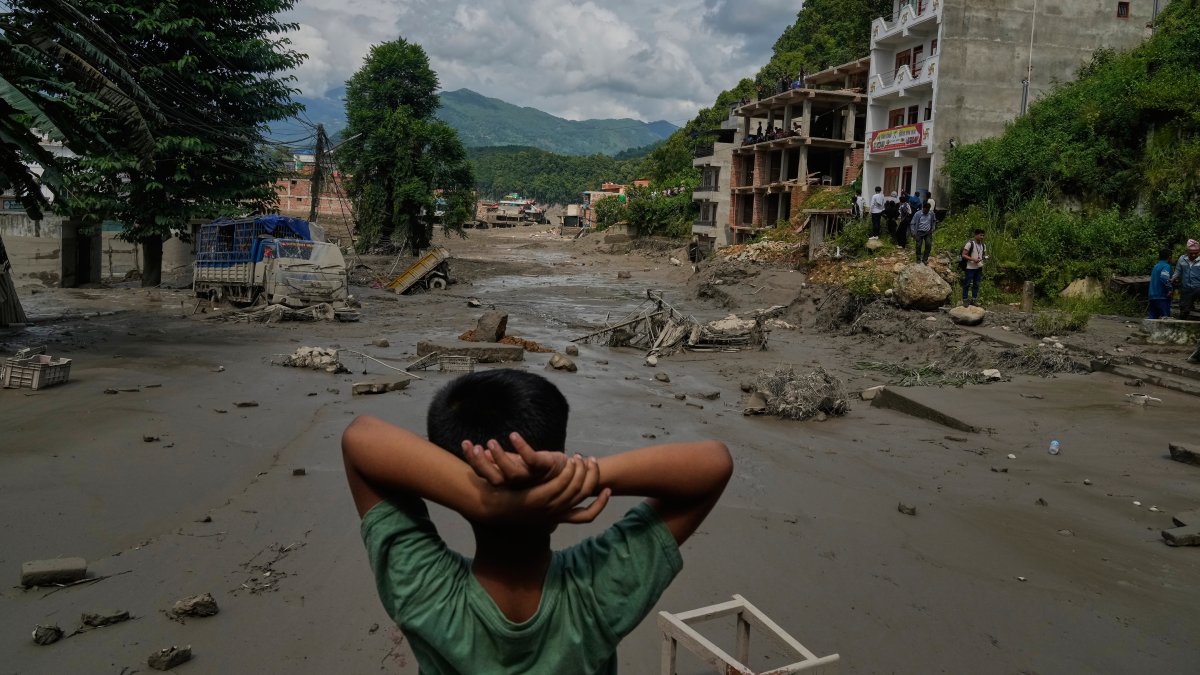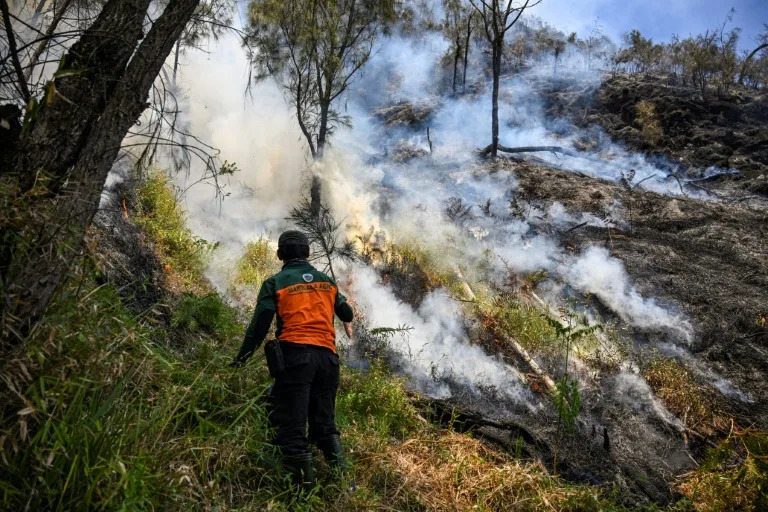
As the world celebrates Earth Day 2025 with solar milestones and wind-powered headlines, a quieter — more painful — truth is unfolding far from the global spotlight. The Earth may be healing in watts and windmills, but in the fields of the Global South, it's withering.
This year, for the first time, renewables have powered over 30% of global electricity — a turning point in the fight against fossil fuels. But that clean energy victory rings hollow in villages where crops are failing, water is vanishing, and climate aid remains a mirage.
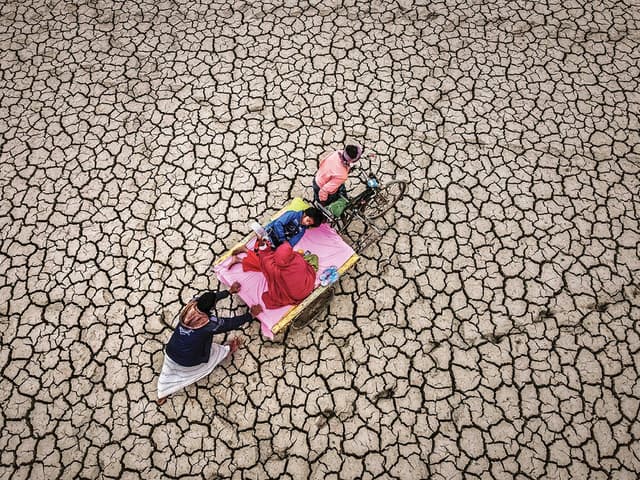
In Bangladesh’s coastal Satkhira district, farmer Amina Begum stands beside her cracked rice paddies and says it plainly: “The earth no longer listens to us.”
It’s not just poetic — it’s prophetic. Because while the world chases carbon neutrality, the very soil under billions is rebelling. From the Sahel to the Sundarbans, the Global South faces an agricultural collapse unfolding in slow motion.

The Green Divide
Clean energy’s rise is undeniable. But so is the shocking imbalance in how climate progress is distributed. Last year alone, the world invested $1.9 trillion in clean energy — yet just 4% of that reached the Least Developed Countries. Solar panels bloom in European cities while African farmers pray for rainfall and it’s not just about money. It’s about priorities.
Where is the emergency summit for crop failure and food insecurity? Where is the coverage for climate adaptation, not just mitigation? We measure carbon, but not the collapsing hopes of a generation of farmers losing the land they’ve lived on for centuries.
A Crisis of Earth, and Equity
According to the FAO, crop yields in parts of South Asia and sub-Saharan Africa could drop by 30% within five years. That’s not a future threat. That’s tomorrow morning’s food basket. And without urgent intervention, we’re looking at a chain reaction of hunger, migration, and social collapse.
Climate justice isn’t just a slogan. It’s a demand for survival — and it's being ignored.
The Missing Awareness
Globally, awareness around the climate crisis has grown — but it remains dangerously lopsided. In the Global North, climate conversations often revolve around lifestyle changes, electric vehicles, and green tech. Meanwhile, in the Global South, the conversation is about survival. This disconnect risks creating a future where the world congratulates itself for going green while failing to notice the millions going hungry. Until climate awareness includes both consumption and consequence, the fight for the Earth will remain incomplete.

What Earth Really Needs This Earth Day
Rebalance global climate finance — adaptation is not optional.Invest directly in smallholder agriculture with climate-resilient tools, not donor rhetoric.
Hold polluting nations accountable, not just in promises but in practical reparations. Earth Day cannot become a ritual of greenwashing and tech triumph. It must remain a reckoning — not just with nature, but with how unequally we protect it.
As the Global North basks in the light of its renewable transition, it must not forget those still living in the shadow of its emissions. Because there is no clean future if it grows from the ruins of someone else’s present.
Bob post