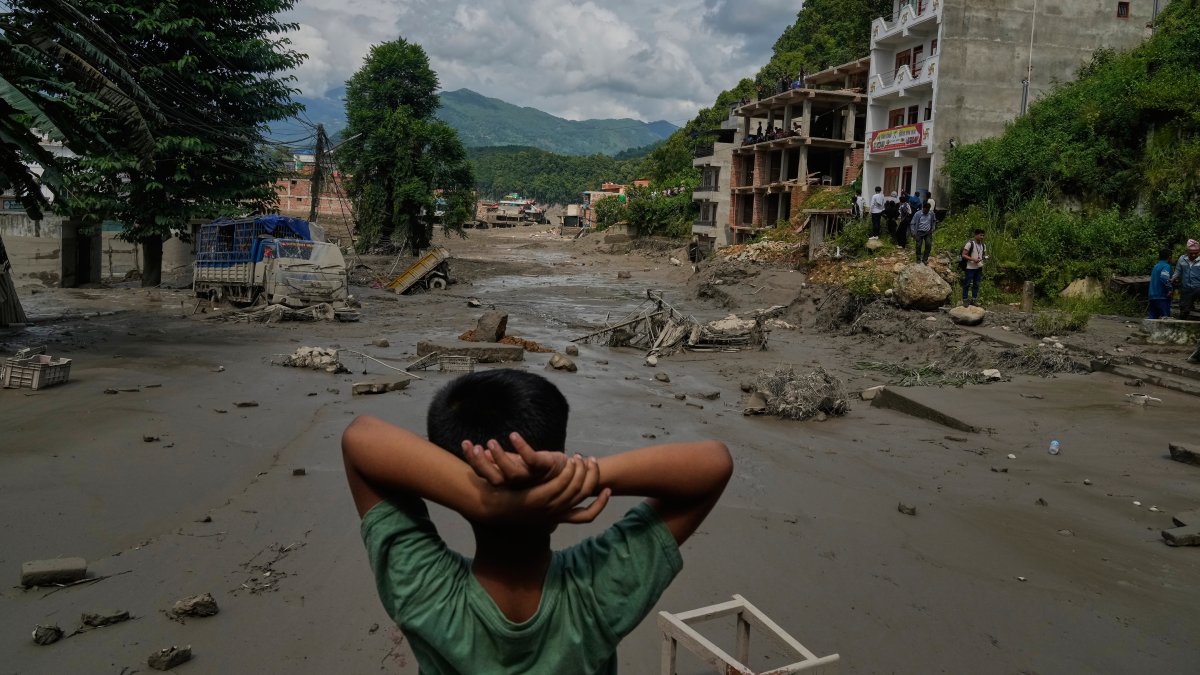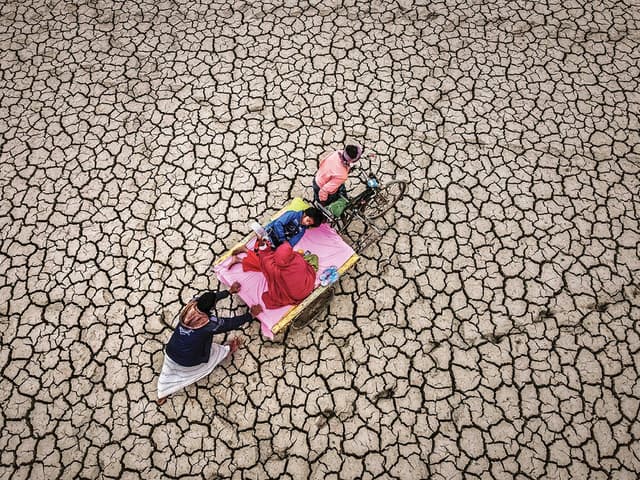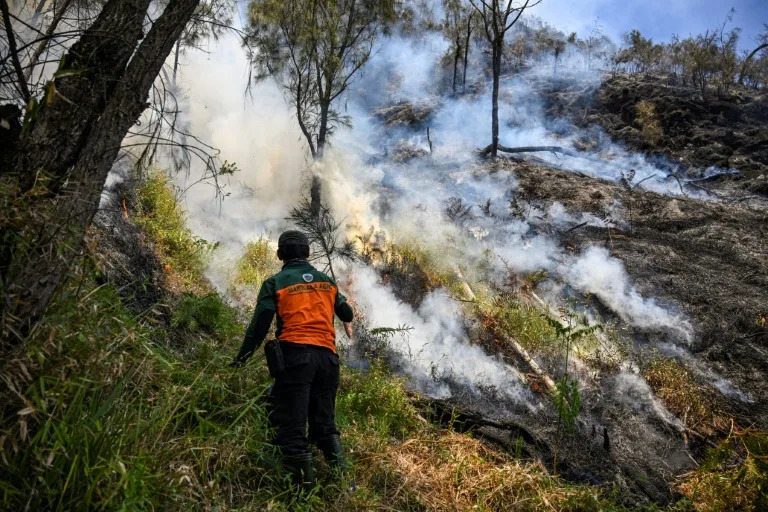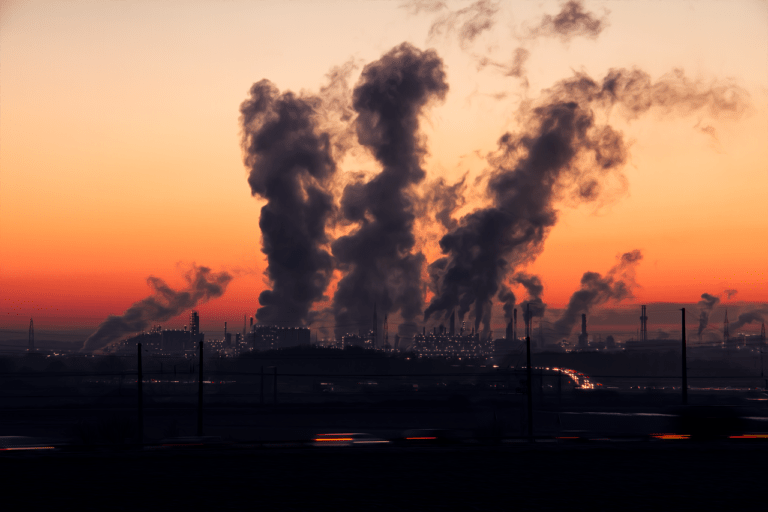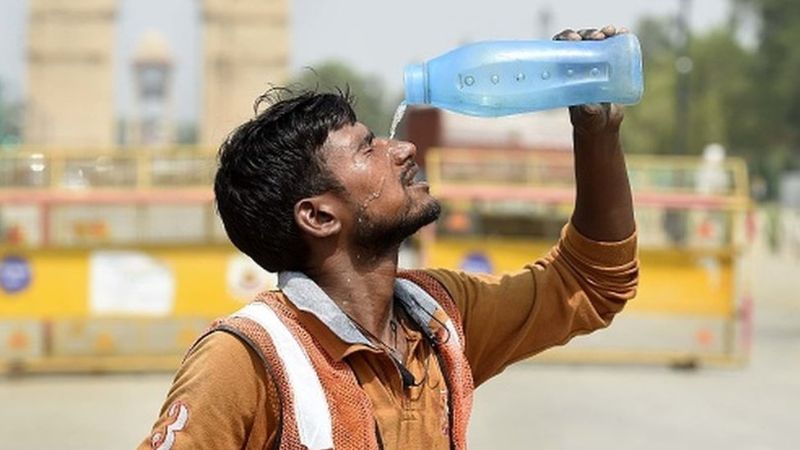
South Asia is facing an alarming climate crisis as extreme heatwaves continue to devastate the region. Recently, temperatures soared to a record-breaking 52 degrees Celsius in parts of India and Pakistan, posing severe risks to human health, economic productivity, and the environment. The persistent heat is not just a seasonal inconvenience—it is a growing existential threat fueled by climate change.
According to the Intergovernmental Panel on Climate Change (IPCC) Sixth Assessment Report, South Asia is among the most vulnerable regions to climate risks, with climate-related fatalities from extreme weather events occurring 15 times more frequently in less developed areas. The increasing intensity and frequency of heatwaves are exacerbating existing socio-economic challenges, disproportionately affecting marginalized communities, low-income groups, and vulnerable workers.
The Productivity Crisis Due to Extreme Heat
Soaring temperatures have led to significant drops in labor productivity across multiple sectors, particularly in agriculture, construction, and transportation. Farmers struggle to work in the blistering sun, leading to crop failures and reduced yields. Similarly, construction workers, transport drivers, and fishermen are at heightened risk of heat-related illnesses, impacting income stability and worsening economic inequalities.
The education sector is also severely affected. Thousands of schools across the region have been forced to close due to unbearable heat, particularly in rural areas where infrastructure lacks cooling mechanisms. This disruption widens the education gap, compounding the setbacks caused by previous school closures during the COVID-19 pandemic.
Sustainable Solutions to Combat Heatwaves
Efforts to mitigate the devastating impact of heatwaves are underway, with some cities implementing innovative solutions:
1. Heat Action Plans: The Ahmedabad Model
Ahmedabad, India, has set an example by implementing a Heat Action Plan (HAP) that has significantly reduced heat-related deaths. Introduced in 2013 following a deadly heatwave, the plan includes a color-coded heat alert system, public awareness campaigns, and improved healthcare training to handle heat-related illnesses. Studies estimate that the initiative has saved approximately 1,190 lives annually.
2. Climate-Resilient Infrastructure in Bangladesh
In northern Bangladesh, traditional and modern construction techniques are being combined to build heat-resilient homes. Designed using locally sourced materials such as bamboo and rammed earth, these homes remain cool even during extreme heat, offering a sustainable and cost-effective solution for low-income families. This initiative not only enhances climate resilience but also generates employment opportunities for local artisans.
3. Community-Led Water Conservation Efforts in Rajasthan
In Rajasthan’s Marwar region, recurring droughts and rising temperatures have worsened water scarcity. However, community-driven projects have focused on rainwater harvesting and the rehabilitation of traditional water structures, improving access to water for thousands of villagers. More than 80 water harvesting structures have been built, enhancing food security and economic stability while mitigating the impact of heatwaves.
The Urgent Need for Climate Finance
While these initiatives offer hope, the scale of the crisis demands greater financial commitment and accountability. At the 2023 United Nations Climate Change Conference (COP28), over $700 million was pledged to the Loss and Damage Fund to help vulnerable nations cope with climate disasters. However, concerns remain about the transparency and efficiency of fund disbursement.
Governments and international organizations must ensure that climate finance reaches those most affected, especially at the grassroots level. Strengthening accountability measures and expediting financial support will be key in helping South Asia adapt to escalating heatwaves.
Looking Ahead: The Road to Heat Resilience
The United Nations has set a target to establish a global early warning system for extreme weather by 2027. In South Asia, developing Heat Communication Guides at the state level could improve public awareness, ensuring timely responses to extreme temperatures. Policymakers must prioritize heat resilience as a core component of urban planning and economic policies to protect lives and sustain livelihoods in the face of worsening climate conditions.
With decisive action, South Asia can combat the heatwave crisis by investing in sustainable solutions, enhancing climate finance mechanisms, and fostering community resilience. The time to act is now—before rising temperatures push the region beyond its limits.
BOB Post