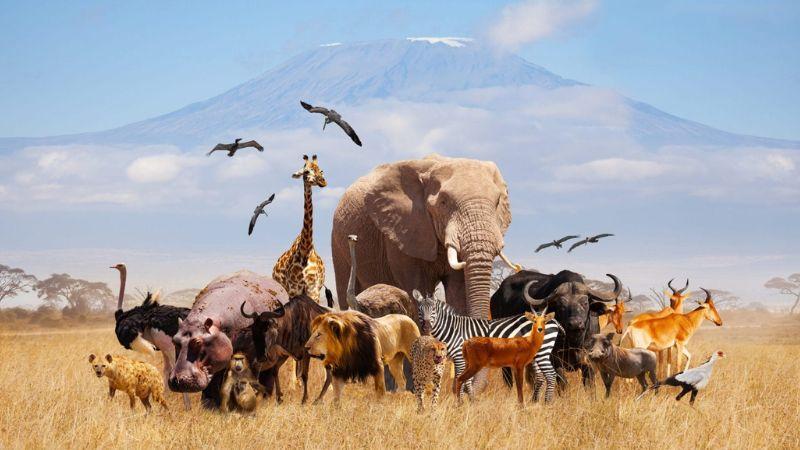
As human activity continues to reshape the planet, the delicate balance of nature faces unprecedented threats. From deforestation and habitat destruction to climate change and poaching, wildlife is under immense pressure. Scientists warn that the loss of biodiversity is not just an environmental concern but a crisis that affects human survival as well.
The Importance of Ecological Balance
Ecological balance is the foundation of a healthy planet. Each species—whether predator, prey, or plant—plays a crucial role in maintaining the stability of ecosystems. When one species declines, it triggers a domino effect. For example, the reduction of pollinators like bees threatens global food production, while the loss of predators leads to overpopulation of certain species, which can degrade entire habitats.
Healthy ecosystems regulate the climate, purify air and water, and provide food and medicine. A world without wildlife would mean weaker natural defenses against disasters like floods, droughts, and pandemics. Experts emphasize that conservation is not just about saving animals; it is about securing a livable future for humanity.
World Wildlife Day 2025: A Call to Action
March 3 marks World Wildlife Day, a global event dedicated to raising awareness about the urgent need to protect the planet’s biodiversity. Established by the United Nations, this day highlights the vital role of wildlife in sustaining ecosystems and human well-being. The 2025 theme, "Connecting People and Planet: Exploring Digital Innovation in Wildlife Conservation," focuses on how technology can help monitor and protect species worldwide.
Governments, environmental organizations, and local communities are increasingly using satellite imagery, AI-powered tracking, and digital campaigns to combat illegal wildlife trade and habitat destruction. However, real change requires stronger policies, global cooperation, and community-driven conservation efforts.
A Shared Responsibility
Protecting wildlife is not just the responsibility of governments and conservationists—it is a shared duty. Individuals can contribute by supporting sustainable products, reducing plastic waste, and promoting responsible tourism. Simple actions, such as planting native trees or advocating for stronger environmental policies, can make a difference.
As we celebrate World Wildlife Day, it is crucial to recognize that our fate is intertwined with nature. A balanced ecosystem is essential for a thriving planet. Without it, both wildlife and humanity face an uncertain future.
By : Akash Das
Graduate Student : Boston Architectural College, USA