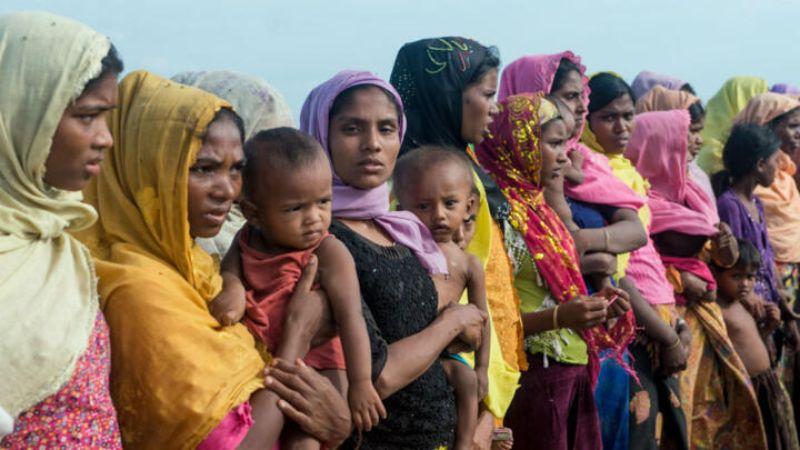
The dream of repatriation for the Rohingya refugees, who fled Myanmar in 2017 to escape violence, seems increasingly uncertain. Over a million Rohingya now live in makeshift camps in Cox’s Bazar's Ukhiya and Teknaf regions, but Myanmar’s recent census further alienates this stateless community.
Myanmar Census Reveals Population Decline
According to Myanmar's 2024 census, the country's population now stands at 51.3 million, a slight decrease from 51.5 million reported a decade ago in the 2014 census. However, the census was conducted under significant constraints, with only 44% of the population directly counted. The remaining 56% were estimated, primarily due to restricted access to conflict zones and regions outside the military junta's control.
Rohingya Omission and Challenges
The Rohingya community, as in previous censuses, remains excluded. Despite being an integral part of Myanmar’s history, they are not recognized as citizens and are often referred to as ‘illegal immigrant’ by Myanmar authorities. Over 1.2 million Rohingya have been displaced, with many seeking refuge in Bangladesh following targeted violence, including a brutal military crackdown in 2017.
Conflict and Accessibility Issues
The census highlighted the fractured state of Myanmar. The junta could only conduct surveys in 145 out of 330 townships, predominantly in areas under their control. Several regions, including Rakhine, Kachin, Shan, and Chin states, were inaccessible due to ongoing conflict between ethnic armed organizations and the military regime.
Even within junta-controlled areas, logistical and security challenges hindered the process. For instance, parts of Mandalay Region, including Natogyi, Singgu, and Thabeikkyin, were left uncounted despite being within junta jurisdiction.
Elections Amid Unrest
The junta plans to use the 2024 census data to prepare voter rolls for upcoming elections, slated for 2025. However, opposition groups and international observers have criticized these elections as a ‘sham,’ questioning their legitimacy amidst widespread instability and violence. Junta leader Min Aung Hlaing claimed in a New Year’s address that his administration is committed to holding a ‘free and fair’ election, though skepticism remains high.
Rohingya Crisis and Global Concerns
Bangladesh, hosting over 1.5 million Rohingya refugees, is now home to the world's largest refugee camp in Kutupalong, housing over 600,000 individuals. The international community continues to call for a sustainable solution, but efforts to repatriate the Rohingya have stalled. Myanmar's political turmoil, combined with the exclusion of the Rohingya from national records, exacerbates their plight.
Economic and Humanitarian Fallout
Myanmar, once seen as an emerging economic powerhouse, has been crippled by political instability since the 2021 military coup. The junta's inability to control large swathes of the country and ongoing economic struggles have tarnished its global standing. Meanwhile, the Rohingya crisis remains one of the most pressing humanitarian challenges in South Asia, demanding immediate international attention.
As Myanmar grapples with internal conflict and an eroding state apparatus, the prospects for the Rohingya to return home diminish. Without recognition or inclusion in Myanmar's census and electoral processes, their hope for a dignified future remains bleak.
The international community faces mounting pressure to address the Rohingya crisis and ensure accountability for the ongoing human rights violations in Myanmar.
BOB Post