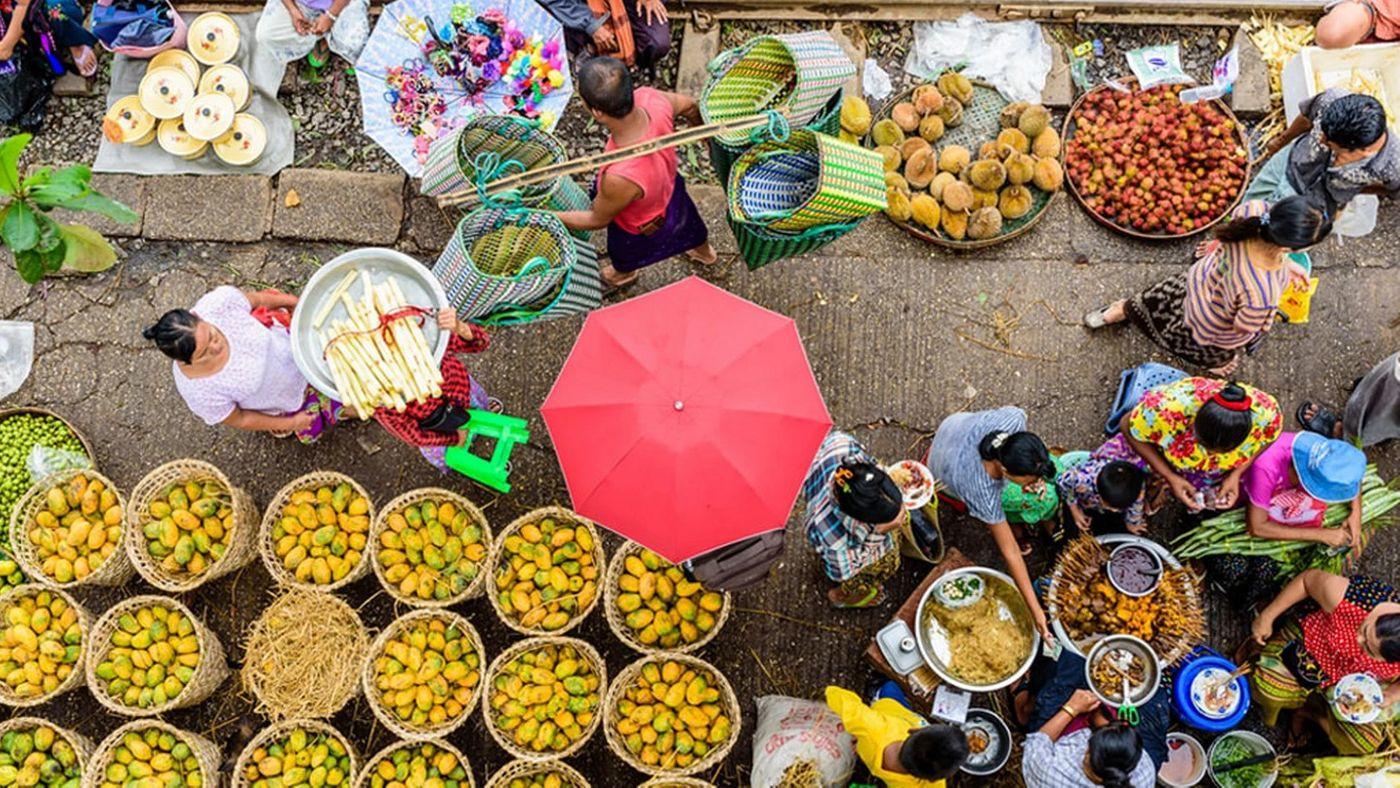
The World Food Programme (WFP) has reported a sharp rise in the cost of essential food items across Myanmar, with average prices increasing by 19 percent nationwide since late February, raising fresh concerns over food security in the conflict-affected country.
In a recent update, the UN agency said the surge has been particularly noticeable in staple commodities such as rice, palm oil, and salt items that form the backbone of daily consumption for millions of households. The price hike comes alongside rising fuel costs, compounding economic pressures on vulnerable communities already struggling with prolonged instability.
“Food prices are rising across Myanmar, along with fuel prices, as conflicts in the Middle East escalate,” WFP noted, highlighting the broader global dynamics influencing domestic markets. The ripple effects of geopolitical tensions have disrupted supply chains and contributed to inflationary trends in several parts of Asia.
According to regional media assessments, including recent Asia-focused reports, Myanmar’s fragile economy strained by ongoing internal conflict and currency depreciation is particularly susceptible to external shocks. Analysts note that transport disruptions and limited market access in rural and conflict-prone areas are further intensifying food price volatility, deepening hardship for low-income families.
The WFP emphasized that it is closely monitoring the evolving situation and stands ready to adjust its humanitarian response. The agency reiterated its commitment to ensuring that food-insecure populations continue to receive necessary support, particularly in areas where access to basic commodities is becoming increasingly limited.
With millions already in need of assistance, humanitarian agencies warn that sustained price increases could push more households into food insecurity, underscoring the urgent need for coordinated international support and stabilisation efforts.
BOB Post