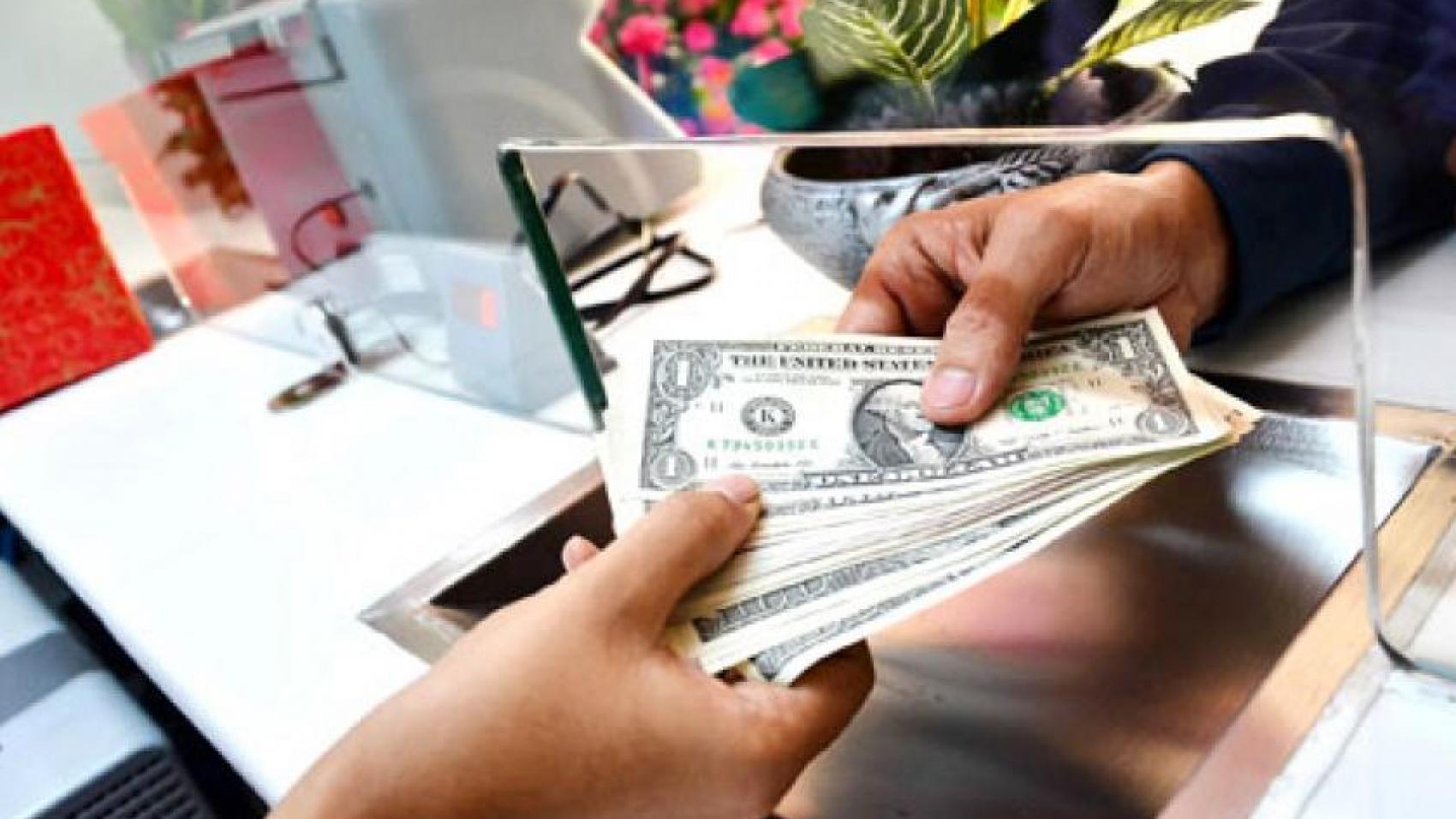
Myanmar’s military-led government has turned migrant worker remittances into the country’s biggest source of foreign inflows, as the junta tightens control over overseas earnings amid sanctions and economic turmoil.
According to non-public finance ministry data seen by Bloomberg News, worker remittances reached US$5.6 billion in 2025, accounting for about 38 percent of all foreign inflows, sharply rising from just US$670 million in 2022 following the military coup.
The surge follows rules introduced in 2024 requiring migrant workers to remit at least 25 percent of their income through official banking channels. Workers who fail to comply risk losing passport renewals and overseas work permissions, effectively forcing remittances into the formal financial system controlled by authorities.
According to The Straits Times, the policy has become a critical financial lifeline for Myanmar’s banking sector as sanctions, conflict, and declining foreign investment continue to strain the economy.
“Surging remittance inflows are providing a financial lifeline to Myanmar’s tightly controlled banking system,” said Dr. Kaho Yu, principal Asia analyst at Verisk Maplecroft.
Myanmar’s economy remains under severe pressure despite military chief Min Aung Hlaing assuming the presidency earlier this year after an election widely dismissed by Western governments. Inflation is hovering near 30 percent, while foreign direct investment reportedly dropped to only US$83 million in 2025.
Economists say control over foreign currency has become increasingly important for the military administration, which relies on US dollars to finance imports including fuel, medicine, and food.
Rights groups and migrant advocates have criticised the remittance policy, arguing that linking passport renewals to mandatory money transfers could violate human rights and force workers into financial hardship.
Myanmar has one of Southeast Asia’s largest migrant workforces, with millions employed abroad, particularly in Thailand and Malaysia. Many workers say they feel trapped by the regulations despite leaving Myanmar to escape political instability following the 2021 coup.
BOB Post