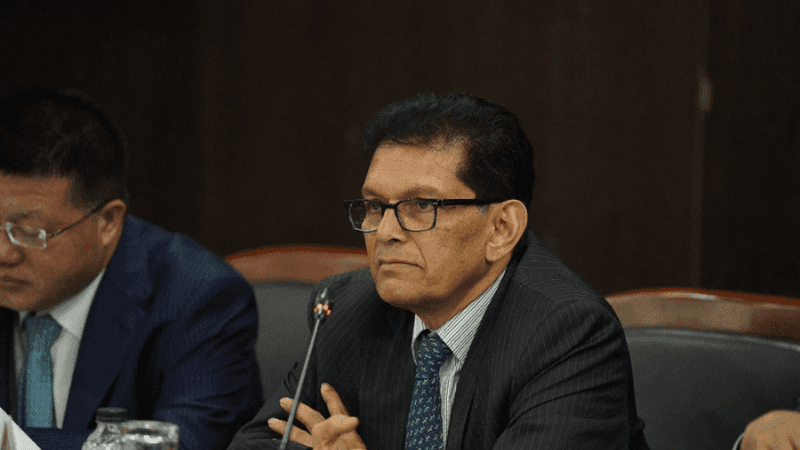
A high-level international conference on the situation of Rohingya Muslims and other minorities in Myanmar was held at the United Nations Headquarters in New York on September 30, with participation from representatives of 70 countries. The conference focused on finding a lasting solution to the Rohingya crisis, highlighting the urgency of repatriation and continued global support until the refugees can return home.
During the conference, the United States and the United Kingdom jointly pledged $96 million in new humanitarian aid for Rohingya refugees and affected communities.
Speaking to Jago News, Dr. Khalilur Rahman, National Security Adviser to the interim government and High Representative on Rohingya issues, said,
“Rohingyas must be allowed to return to their homeland repatriation is the top priority. Until their return, sufficient international assistance must be provided to support their stay in Bangladesh.”

He noted that this was the first time the international community showed “strong political will” to achieve a long-term solution to the crisis.
Dr. Khalilur explained that the conference was convened following a request made last year by Bangladesh’s chief adviser to the United Nations, which the UN General Assembly swiftly approved. “Two points emerged very clearly during the session repatriation and continued support,” he said.
On the prospects of international cooperation, Dr. Khalilur told Jago News that the global community now appears ready not only to provide aid but also to play an active political role. “For the first time, we have seen that they are ready to invest political will to achieve a long-term solution. This is very good news, especially for the Rohingyas,” he said.
He further mentioned that almost all delegations from the United States, European Union, ASEAN, and the OIC spoke with a unified voice, emphasizing the same two priorities. “Such a uniform stance is unprecedented,” he added, expressing optimism about receiving active international support in the coming days.
Regarding developments inside Myanmar, Dr. Khalilur said that the situation in Rakhine is showing signs of improvement and stabilization. He added that 85–90% of the area is currently under the control of the Arakan Army, with whom communication is ongoing. “The Arakan Army recently shared photos showing internally displaced Rohingyas returning to their villages and engaging with local authorities,” he said.
While not disclosing details, Dr. Khalilur hinted at forthcoming progress: “There has been significant progress, though I cannot share everything right now. However, good news is expected shortly, and we hope this will happen during the tenure of this government.”
BOB Post