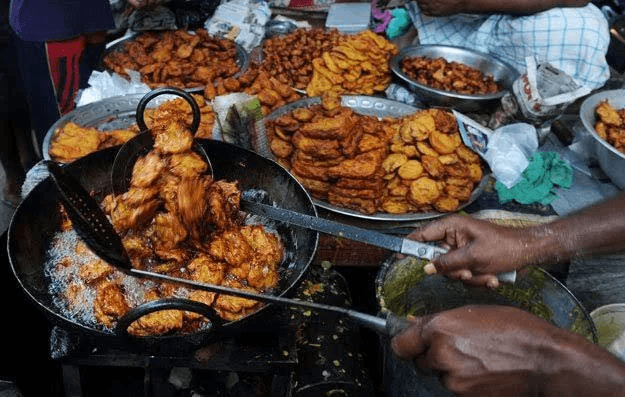
Unsafe food contaminated with bacteria, viruses, parasites, and toxic chemicals kills an estimated 1.5 million people worldwide every year, with young children bearing the heaviest burden, the World Health Organization (WHO) has warned.
A new WHO report released on Thursday found that nearly 886 million people fall ill annually after consuming contaminated food. Children under the age of five are almost three times more likely to suffer from food-borne diseases than older age groups.
"Food safety is not an abstract issue ,it touches every meal, every family, every day," WHO Director-General Tedros Adhanom Ghebreyesus said, stressing the need for stronger measures to ensure safe food supplies.
The findings are based on an analysis of data from 194 countries between 2000 and 2021. While the overall global burden of food-borne diseases has declined over the past two decades, progress has been uneven, leaving millions of people in poorer regions exposed to preventable illnesses.
According to AFP, Africa and Southeast Asia remain the hardest-hit regions, accounting for nearly three-quarters of all food-related illnesses and about 60 percent of deaths linked to unsafe food worldwide.

The report shows that biological contaminants such as bacteria, viruses and parasites were responsible for around 860 million cases of illness in 2021, making them the leading source of food-borne disease. These infections often spread through improperly handled, stored or prepared food.
Chemical contamination, though responsible for fewer cases, caused a disproportionately large number of deaths. Arsenic and lead poisoning were identified as the most significant non-biological threats to food safety.
WHO food safety expert Yuki Minato said emerging global challenges are making the problem more difficult to control. Climate change is increasing the risk of food contamination, while antimicrobial resistance is reducing the effectiveness of treatments for food-borne infections, she noted.
Beyond its impact on public health, unsafe food also carries a heavy economic cost. The WHO estimates that food-borne diseases resulted in global productivity losses worth approximately $647 billion in 2021 alone.
The agency called on governments to strengthen food safety regulations, improve surveillance systems and invest in prevention measures to reduce illnesses and save lives.
BOB Post