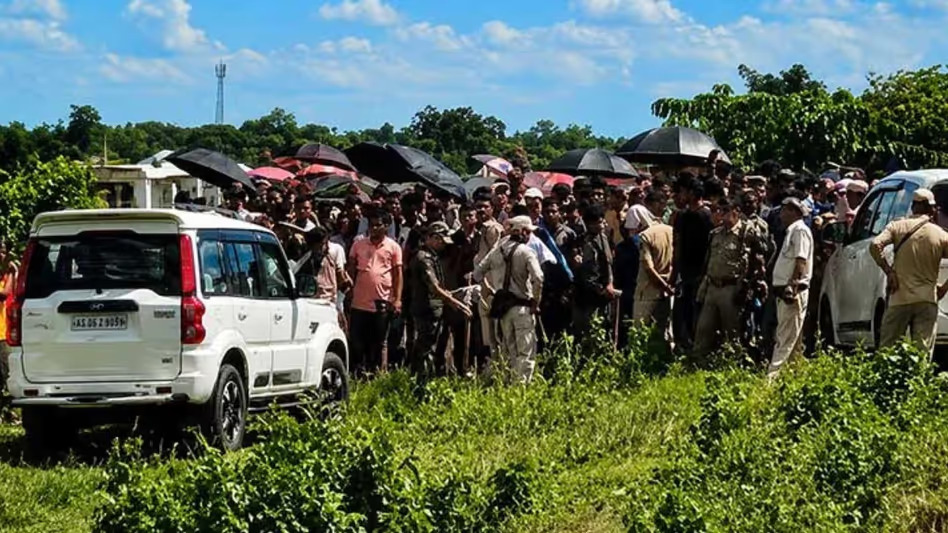
A long-running border dispute in northeastern India turned violent again after firing broke out along the Assam-Arunachal Pradesh boundary, leaving 11 people injured. The incident has renewed concerns over tensions in areas where land claims between the two Indian states remain unresolved.
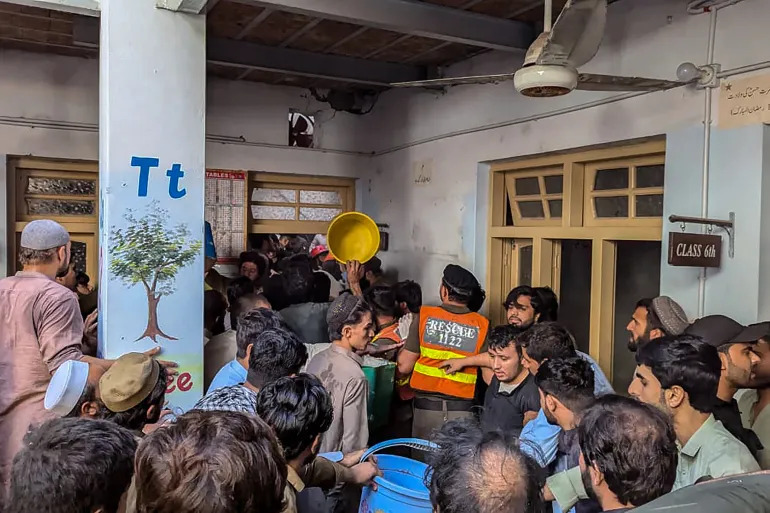
The firing took place in Assam’s Dhemaji district on Monday. Initial reports said the clash was linked to allegations of land encroachment along the inter-state boundary. Several injured people were taken for medical treatment, with some reported to be in serious condition.
According to ANI, the incident involved firing by unidentified people from the Arunachal Pradesh side. The report said Assam Chief Minister Himanta Biswa Sarma assured that the authorities would act after investigating the incident.
The violence is being viewed as an internal border dispute within India, rather than an international frontier conflict. Assam and Arunachal Pradesh share an approximately 800-kilometre boundary. Several areas along the border have remained disputed for decades, mainly because of competing claims over land and forest areas.
The latest incident also comes despite efforts by both state governments to settle their boundary differences through dialogue. A 2023 agreement sought to resolve disputes involving dozens of villages. Joint surveys and boundary demarcation efforts have continued in 2026, but local disputes have persisted.
Officials have been trying to prevent the latest confrontation from spreading. Security and administrative authorities from the two sides are expected to examine the circumstances surrounding the firing and identify those responsible.
The Assam-Arunachal boundary has witnessed similar violent incidents in the past. In June 2023, firing in the Dhemaji area left two people dead and others injured, highlighting how quickly local land disputes can escalate into armed clashes.
The latest violence has therefore put renewed pressure on authorities in both states to speed up the boundary settlement process. For communities living along the frontier, the issue remains less about formal maps and more about access to land, forests and local resources.
BOB Post