An airstrike hit the southern Afghan city of Kandahar on Thursday, home to the Talibangovernment’s supreme leader, as tensions between Afghanistan and Pakistan continued to escalate.
A resident told AFP that he heard a jet flying over the city before a large explosion shook the area. He later saw a fire in the centre of Kandahar, according to AFP.
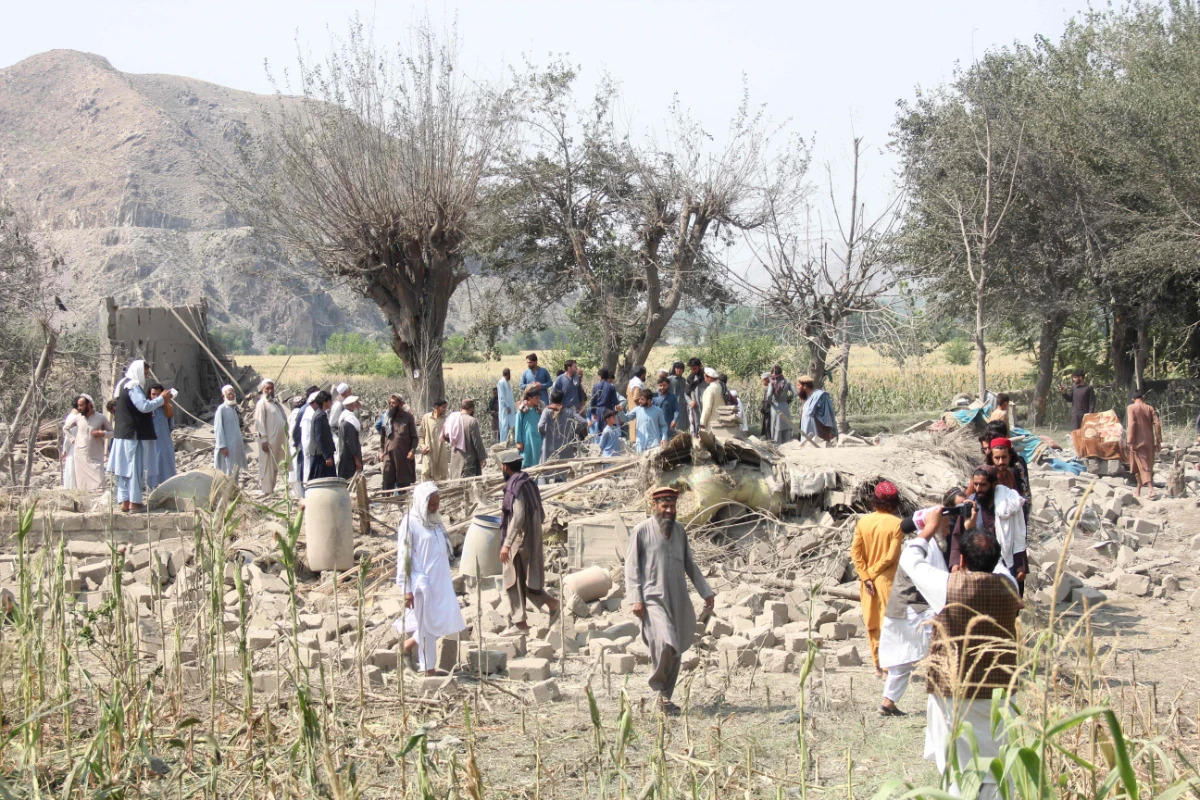
Afghan military and government officials did not immediately respond to requests for comment on the reported strike. The incident came days after Pakistani bombardments in eastern Afghanistan that killed at least three civilians, according to the United Nations. Pakistan said the strikes targeted militants and killed 28 fighters.
Airstrikes in Afghanistan’s border areas have occurred repeatedly in recent years, but attacks on major Afghan cities such as Kandahar remain rare. Both Kandahar and Kabul were struck during the latest round of fighting between Afghanistan and Pakistan that began in late February.
Weeks of violence killed hundreds of Afghan civilians, according to the UN mission in Afghanistan (UNAMA). Although the two sides agreed to a ceasefire in March, mediation efforts involving several countries have so far failed to produce a lasting settlement.
Security concerns remain at the centre of the dispute. Pakistan has repeatedly demanded that the Taliban authorities prevent the Tehreek-e-Taliban Pakistan (TTP) from operating from Afghan territory. Islamabad accuses the Taliban government of sheltering TTP militants, who have carried out a years-long campaign of attacks inside Pakistan.
Afghan authorities reject the allegation and have accused Pakistan of harbouring groups hostile to Afghanistan and violating its sovereignty.
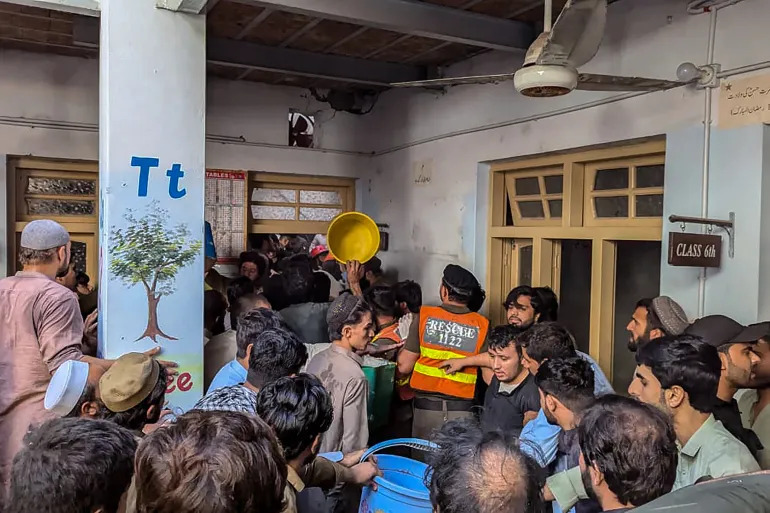
The latest Pakistani strikes followed an attack on a police headquarters in northern Pakistan on Friday that killed at least 31 people. A militant group linked to the TTP claimed responsibility for the attack.
The reported strike on Kandahar marks a further escalation in tensions between the two neighbours, with the dispute increasingly spilling beyond their shared border into major population centres.
BOB Post