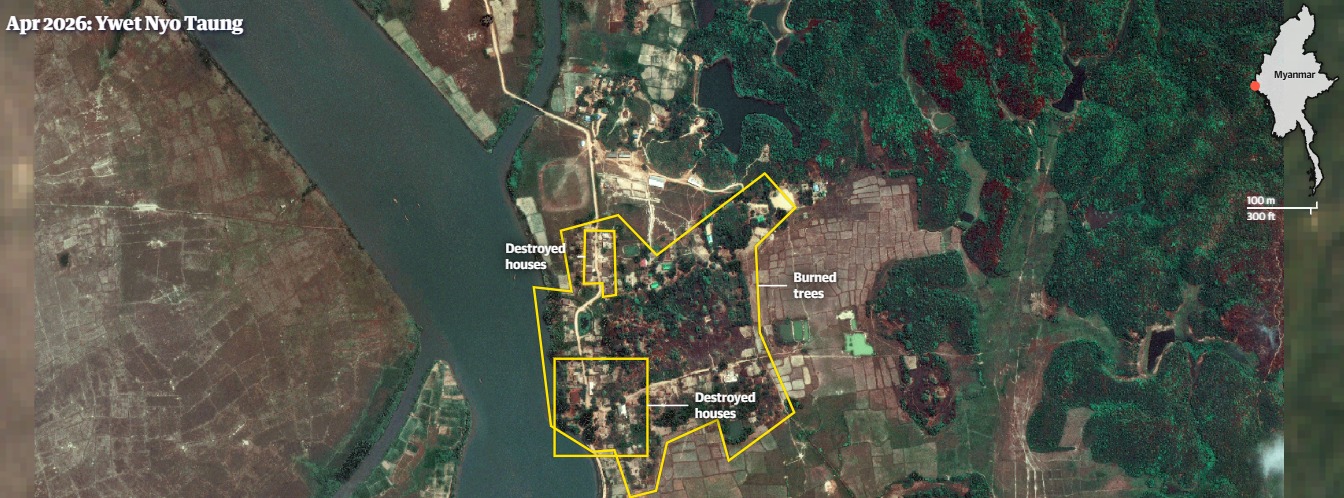
The Arakan Army (AA) has transformed parts of northern Rakhine into detention camps, military facilities and new settlements after taking control of the area, according to an investigation by The Guardian.
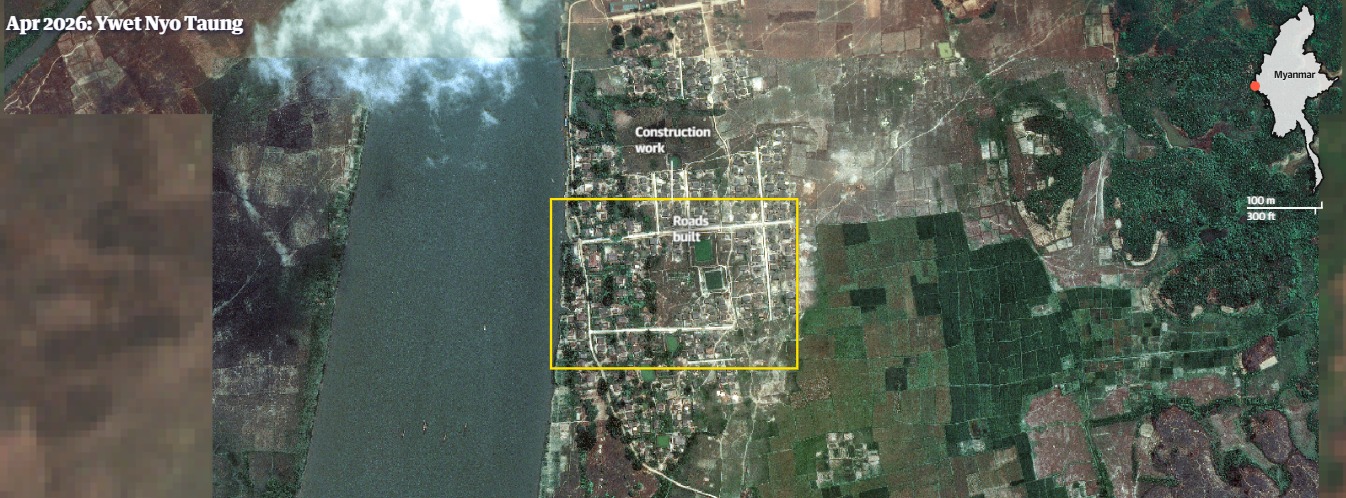
The investigation, based on satellite imagery, UN research and accounts from displaced Rohingya, found that land once used by Rohingya farmers has been cleared and converted into camps and other facilities.
In Hnget Thay village in Buthidaung township, farmland cultivated by Rohingya until 2024 has reportedly become a detention site containing about 120 buildings. The Guardian identified at least 10 such camps across northern Rakhine.
Displaced Rohingya families living in the camps are reportedly restricted from leaving or entering without permission. Some survivors also alleged forced labour, recruitment, beatings and other abuses.
“When the AA first arrived, heavy fighting erupted in our area. During these clashes, many civilians lost their lives,” Muhammad Ares, an 18-year-old Rohingya now living in Bangladesh, told The Guardian.
He said the AA burned his village and later gathered displaced residents and moved them into camps.
UN research cited in the investigation identified at least 800 hectares of land across 23 Rohingya villages that had been seized since 2024 and converted into camps, settlements or military infrastructure. It also documented at least 29 cases involving alleged confiscation of Rohingya land or displacement.
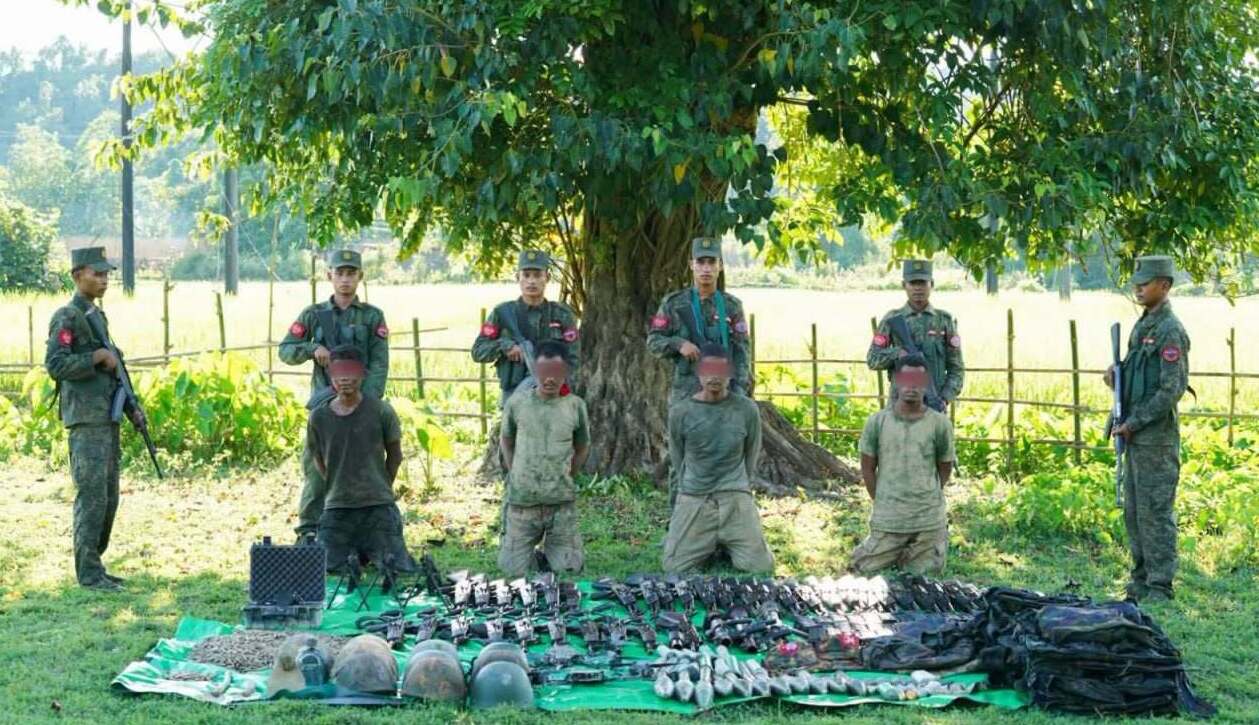
More than 155,000 Rohingya have fled to Bangladesh since 2024, according to The Guardian. They joined around 1.2 million Rohingya already living in Bangladesh after successive waves of displacement from Myanmar.
At Ywet Nyo Taung along the Mayu River, Rohingya villages were reportedly burned in April 2024. Survivors said orchards and large trees were later removed and new houses were built on the land.
Mohammed Sadik, a 26-year-old Rohingya, told The Guardian that young Rohingya were also forced to work at a military facility known as the AP Battalion. He alleged that detainees were ordered to clear roads, dig trenches and perform other heavy labour.
The allegations come as concerns grow over the future of the Rohingya population remaining in northern Rakhine, where the AA has established control over large areas following its offensive against Myanmar's military.
Nicholas Koumjian, head of the UN Independent Investigative Mechanism for Myanmar, said investigators had found indications that attacks against Rohingya were intended to create “facts on the ground”. However, he said the mechanism had not independently confirmed that the AA destroyed Rohingya land.
The AA has denied allegations of war crimes, saying its forces targeted Myanmar military personnel and Rohingya armed groups.
The reported displacement has also raised questions under international law. Stanford law professor Tom Dannenbaum said the removal of Rohingya communities could potentially amount to the war crime of population transfer.
Human Rights Watch has separately reported that more than 170 people were killed or remain missing, including around 90 children, following the May 2, 2024 massacre in Hoyyar Siri, according to the account cited in the investigation.
For Rohingya leaders and rights advocates, the issue now extends beyond immediate displacement. They fear the destruction of villages, confiscation of land and construction of new settlements could make the community's return increasingly difficult.
Aung Kyaw Moe, a Rohingya member of Myanmar's former civilian government, said the central question was whether conditions were being created to make the permanent displacement and erasure of the Rohingya presence irreversible.
The developments also come as the International Court of Justice considers the genocide case brought against Myanmar over the 2017 military campaign. The court is expected to issue its ruling this month.
BOB Post