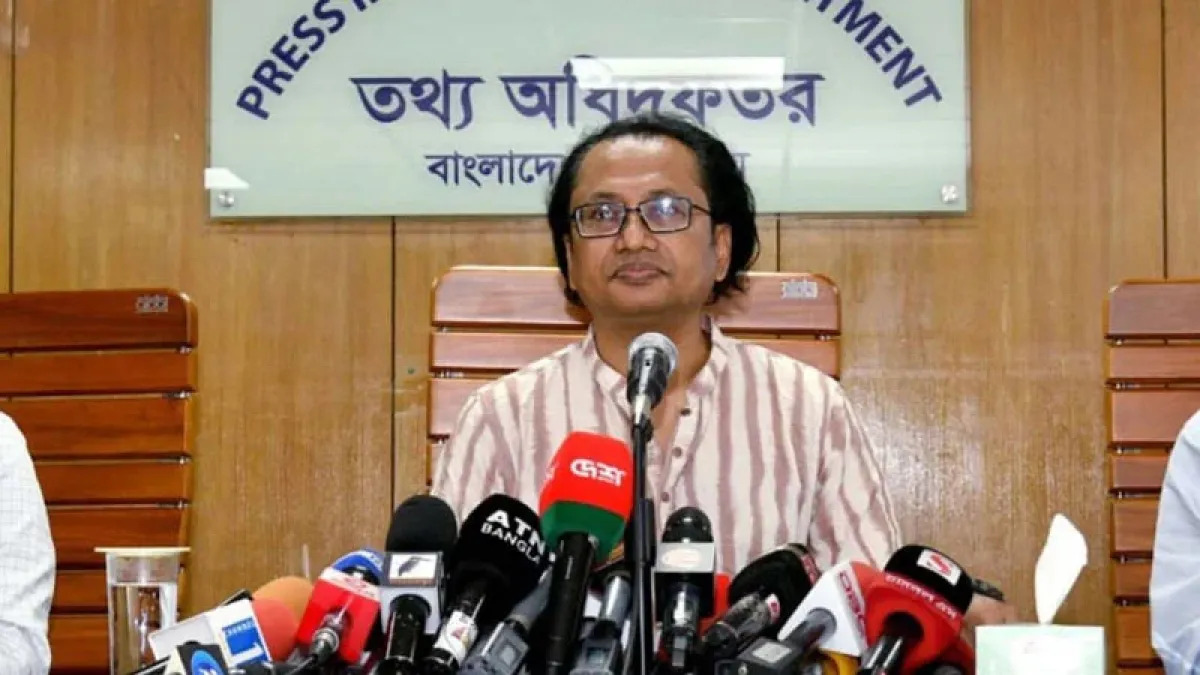
In an exclusive interview with Voice of America (VOA), Bangladesh’s interim Chief Adviser Muhammad Yunus emphasized that Bangladesh will continue accepting Rohingya refugees under international law, but called on the global community to take greater responsibility in addressing the crisis.
When asked whether his government would officially recognize the more than one million displaced Rohingya as refugees, Yunus clarified that international institutions, particularly the United Nations High Commissioner for Refugees (UNHCR), have already given them refugee status. "If they were not refugees, UNHCR couldn’t reach them," he noted, underscoring that while Bangladesh is not their home country, their refugee status has long been established through international agencies.
Yunus also addressed the recent influx of thousands more Rohingya into Bangladesh, stating that the country cannot turn away individuals fleeing for their lives. "According to international law, if they want to come, we will let them. We will accept them. And then we’ll do whatever is necessary," he said. However, he stressed that the responsibility for the Rohingya crisis cannot rest on Bangladesh alone, calling for greater global involvement.
Highlighting the growing complexity of the situation, Yunus pointed out that the Rohingya community in Bangladesh has been expanding, with about 32,000 children born in refugee camps every year. These children, along with older generations, face an uncertain future, confined in camps without clear prospects for improvement. Yunus warned that this prolonged confinement, coupled with access to global media, could foster frustration and potential rebellion among the displaced population.
"We don’t know how it’s going to spread, where it will go. We really don’t know, so the whole world should focus on how to help them have a satisfying life. We are looking for a solution," Yunus said, urging international collaboration to provide the Rohingya with sustainable opportunities and prevent further instability.
This call comes as the Rohingya crisis remains a critical issue in Bangladesh, with limited progress on repatriation and an increasingly strained host country.
BOB Post