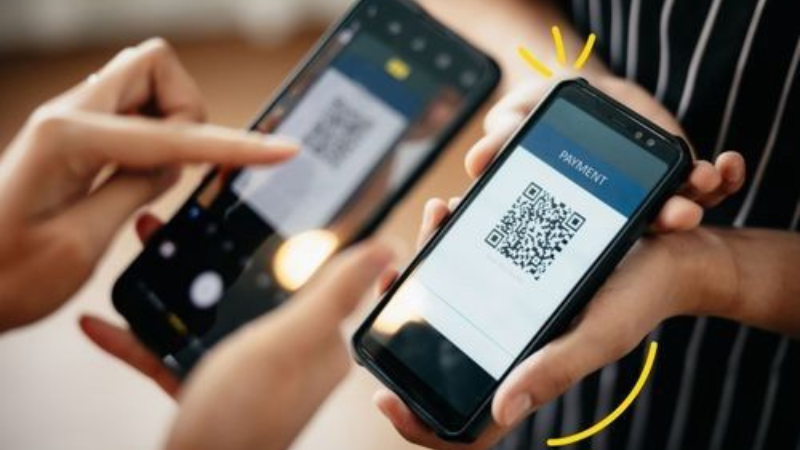
Bangladesh is undergoing a significant shift towards digital payments, with increasing adoption of online and contactless transactions for both domestic and cross-border payments, according to a new analysis by Visa, the global leader in digital payments.
In 2024, Bangladeshi cardholders’ spending on Visa’s network rose by 14%, and the number of transactions increased by 17% compared to 2023. However, this growth is predominantly concentrated in Dhaka, as the capital accounts for 75% of electronic consumer spending and 80% of all digital transactions in the country.
Visa’s analysis reveals that Dhaka saw a 20% growth in spending, with 60% of consumers opting for online payments. Other cities, including Gazipur, Rajshahi, Rangpur, and Mymensingh, also showed notable growth in digital payment usage.
The shift to digital payments is largely driven by online transactions, both for domestic e-commerce and international purchases. Credit and debit card usage have significantly increased, with online payments emerging as the key catalyst for growth.
Visa’s data further reveals that domestic spending was mainly driven by e-commerce, as consumers increasingly relied on their credit and debit cards. International transactions also saw strong growth, including both in-store physical payments and online cross-border purchases.
Sabbir Ahmed, Visa's Country Manager for Bangladesh, Nepal, and Bhutan, stated, "Our latest trends analysis signals Bangladesh's rapid shift towards digital and contactless payments, seen across credit and debit cards, online and in-store payments, as well as domestic and international usage."
Additionally, Visa highlighted the 50% rise in digital adoption by businesses, with business credit cards showing a remarkable 135% increase in both spending and transactions.
The popularity of tap-to-pay or contactless transactions has also surged, doubling from 6% to 13% of Visa's total transactions in Bangladesh. Domestic contactless payments alone tripled, reflecting the growing preference for credit and debit contactless cards.
In terms of spending categories, travel services, discount stores, drugstores, and healthcare saw the most significant domestic spending. Meanwhile, cross-border payments were led by education, business-to-business payments, food and groceries, and government services.
Visa also provided insights into cross-border spending patterns, revealing that over 90% of Bangladeshis' spending occurred in 20 countries, with the top five being India, USA, UK, Thailand, and UAE. Notably, India remains the leading destination for cross-border spending, despite a 10% decline in 2024. Thailand saw a rise of over 20% in spending, primarily due to a boom in medical tourism, with 25% growth in healthcare spending, particularly in pharmacy expenses.
Visa's report underscores the growing role of digital payments in Bangladesh’s economy and the nation’s significant steps toward embracing digital transformation.
𝐁𝐎𝐁 𝐏𝐨𝐬𝐭