Bangladesh and Malaysia on Tuesday (12 August) signed five Memorandums of Understanding (MoUs) and exchanged three notes in diverse sectors, marking a significant step toward deepening bilateral ties and unlocking new opportunities in trade, security, and human capital development.
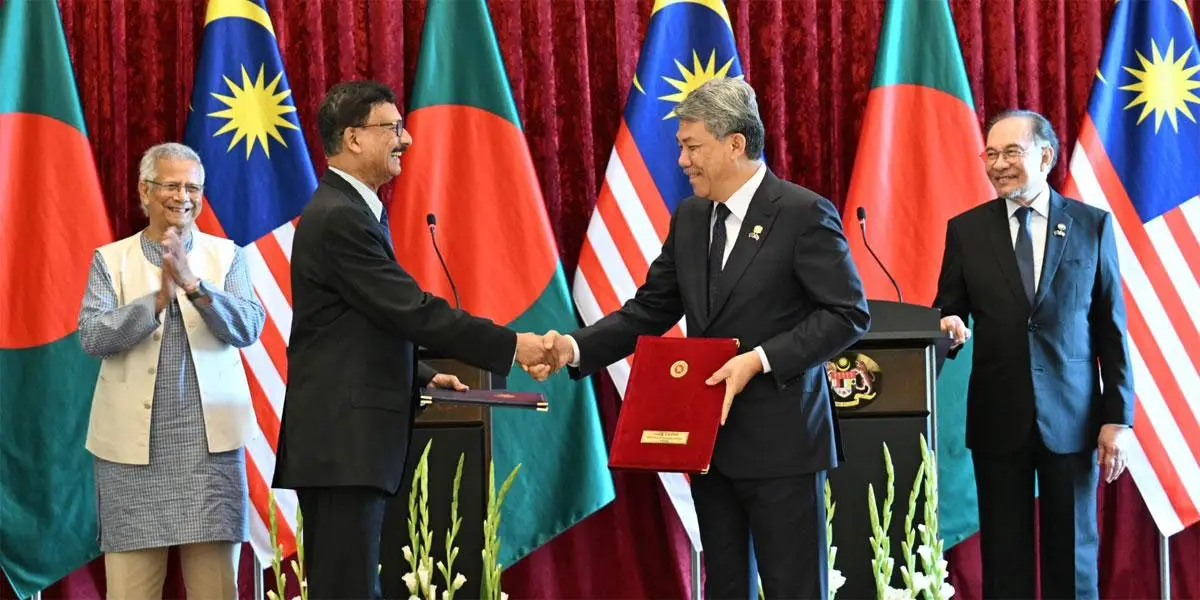
Chief Adviser Prof. Muhammad Yunus and Malaysian Prime Minister Anwar Ibrahim witnessed the signing ceremony in Malaysia’s administrative capital, Putrajaya, where the red carpet was rolled out for the Bangladeshi leader.

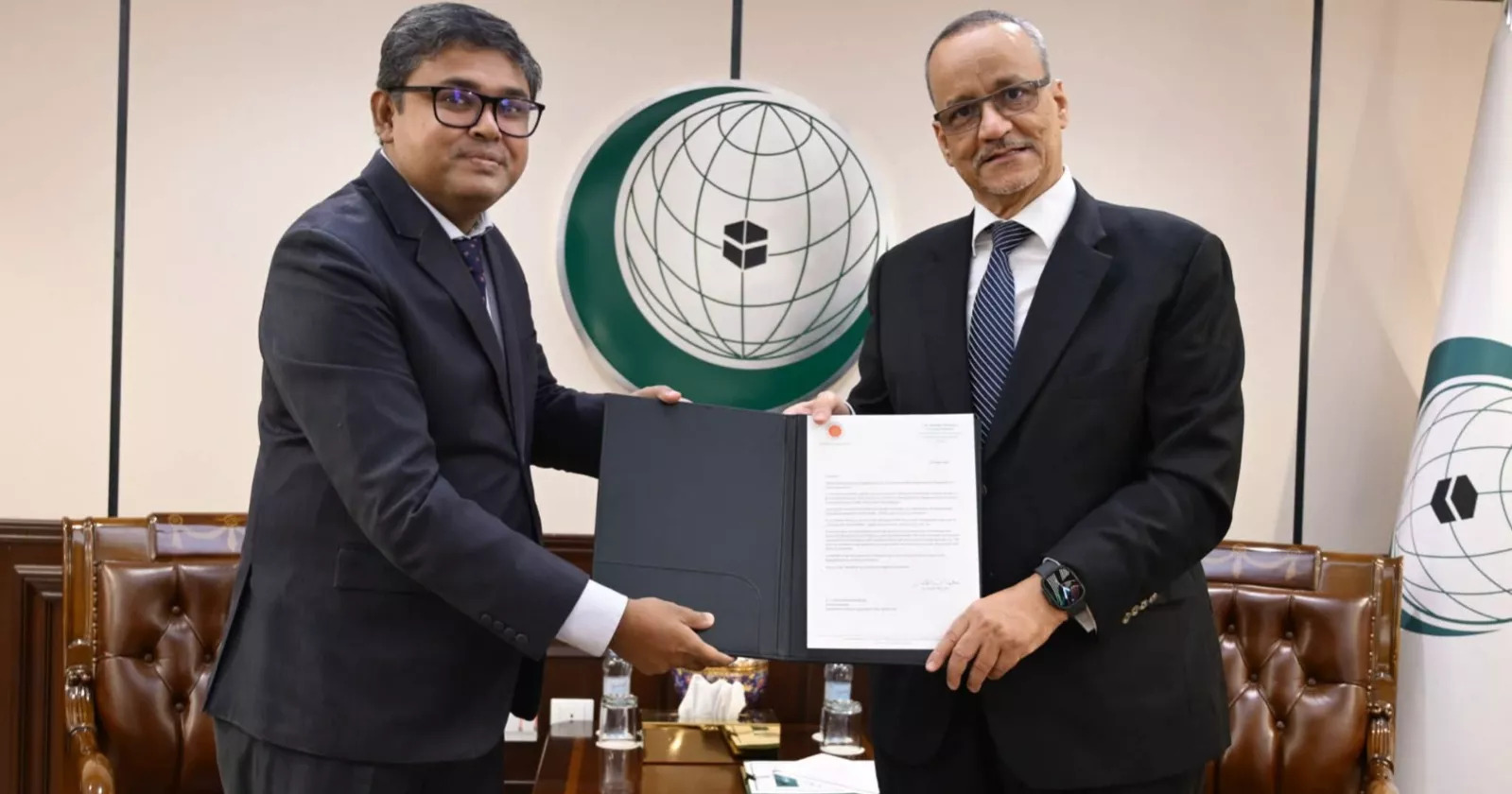
The three exchanged notes covered cooperation in higher education, diplomatic training, and the halal ecosystem. The higher education and diplomatic training agreements were signed by Malaysian Foreign Minister Utama Haji Mohamad bin Haji Hasan and Bangladesh’s Foreign Affairs Adviser Md. Touhid Hossain, while the halal ecosystem note was exchanged between Malaysian Deputy Minister Senator Dr. Zulkifli bin Hasan and Bangladesh Investment Development Authority (BIDA) Executive Chairman Chowdhury Ashik Mahmud bin Harun.
The MoUs spanned defence cooperation, energy and LNG supply, strategic research collaboration, and business partnerships. Defence cooperation was formalized between Malaysian Defence Minister Mohamed Khaled bin Nordin and Adviser Touhid Hossain. Energy cooperation—including LNG supply, infrastructure, and petroleum products—was signed by Malaysian Acting Economic Minister Amir Hamzah bin Azizan and Bangladesh’s Energy Adviser M Fouzul Kabir Khan.
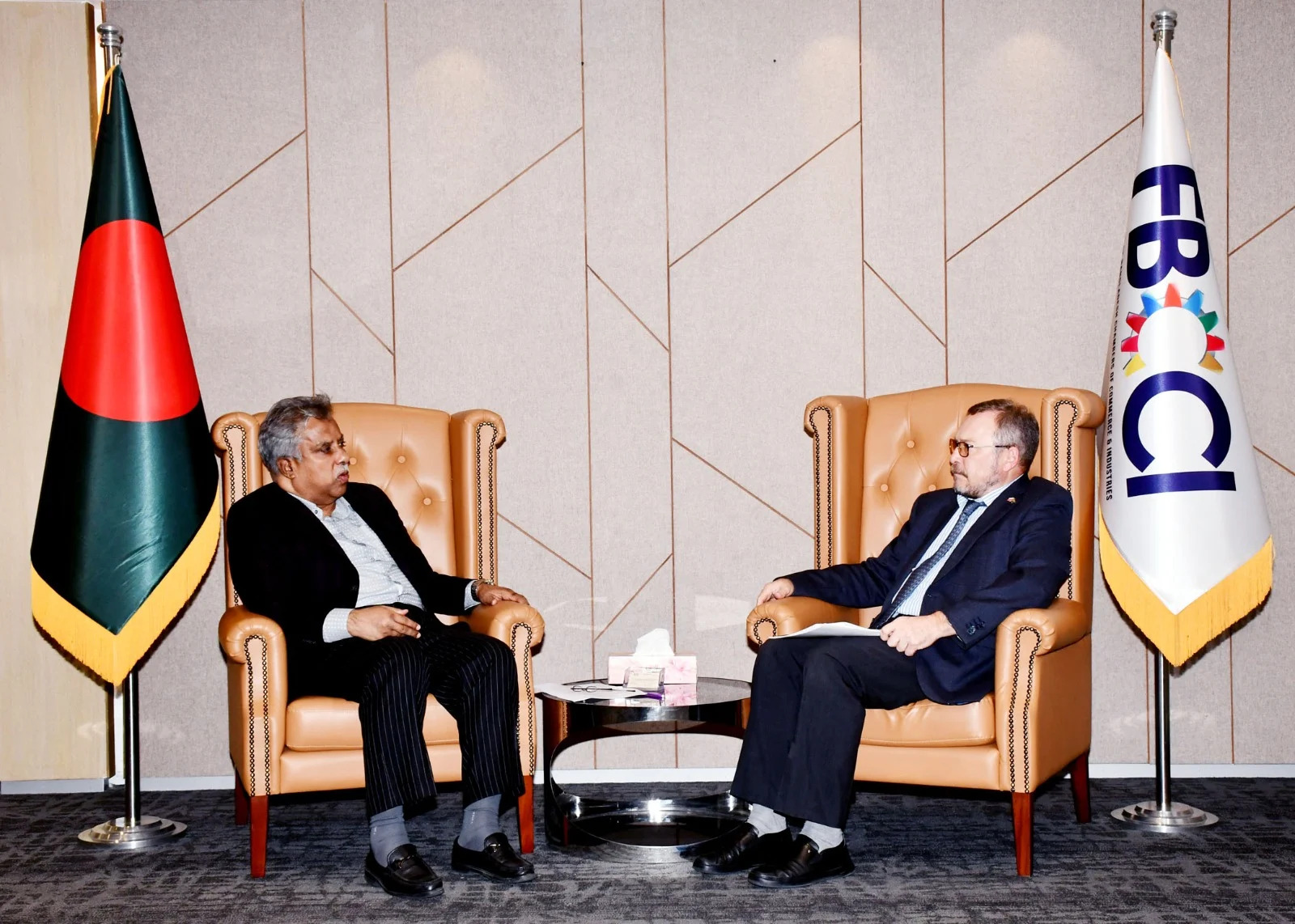
The remaining MoUs covered institutional cooperation between the Institute of Strategic and International Studies (ISIS) Malaysia and the Bangladesh Institute of International and Strategic Studies, a tech-business collaboration between MIMOS Services Sdn Bhd and the Bangladesh-Malaysia Chamber of Commerce & Industry (BMCCI), and a trade partnership between the National Chamber of Commerce and Industry of Malaysia (NCCIM) and the Federation of Bangladesh Chambers of Commerce and Industry (FBCCI).
Officials from both sides hailed the agreements as a gateway to enhanced mutual trade, technology transfer, security coordination, and cultural exchange. Observers say the pacts not only strengthen bilateral relations but also create opportunities for joint ventures, increased investment, and skilled workforce development.
BOB Post