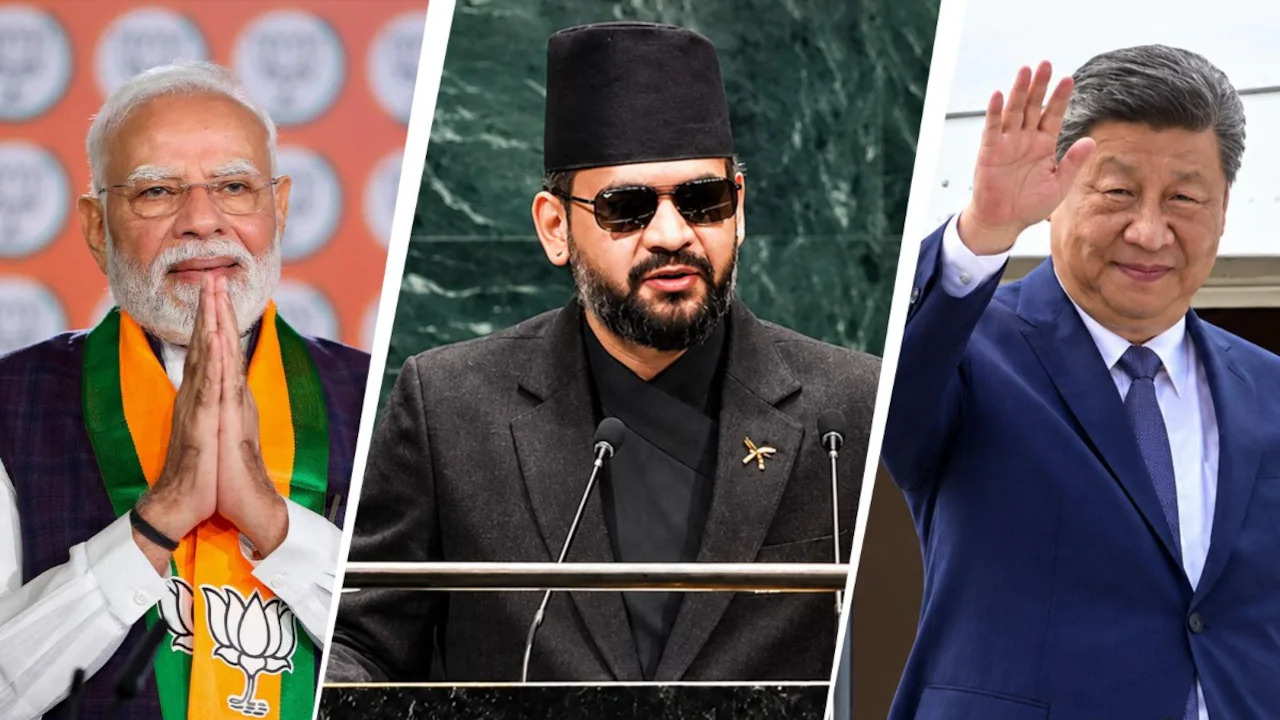
Bangladesh Prime Minister Tarique Rahman has called for transforming Bangladesh’s tourism industry into a modern, technology-driven, and environmentally sustainable sector, saying tourism can create jobs, boost foreign exchange earnings and drive local economic development.
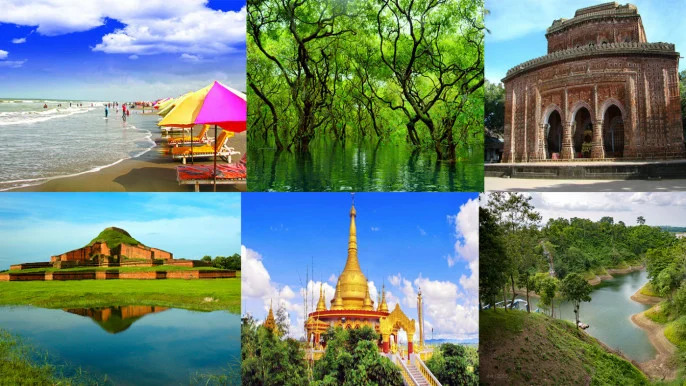
In a message marking World Tourism Day 2026, the prime minister said tourism also offers Bangladesh an important opportunity to showcase its history, heritage, culture and natural beauty to the global community.
According to BSS, Tarique Rahman said this year’s World Tourism Day theme, “Digital Agenda and Artificial Intelligence to Redesign Tourism”, provides a clear direction for reshaping the future of the industry. He said artificial intelligence, big data and smart technologies could make tourism services more accessible, safe and people-centred while opening new employment opportunities.
Referring to the BNP election manifesto, the prime minister said the government had pledged to develop tourism as a modern and land-efficient service sector. Work is underway on a National Tourism Master Plan, along with reforms to tourism-related laws, policies and management structures, he said.
More than 30 tourism clusters are being developed across the country, with a focus on Bangladesh’s history, culture and heritage. The government is also promoting community, eco, rural, culinary, river and coastal tourism to increase local communities’ participation in the tourism economy.
Tarique Rahman said the government was encouraging public-private partnerships to develop modern hotels, recreational facilities and tourist attractions. Policy support and easier financing would also be expanded for small and medium-sized tourism businesses and start-ups.
To strengthen international tourism, the government has set a target of developing an extensive national air connectivity network by 2034, with the ambition of positioning Bangladesh as an important aviation hub in South and Southeast Asia.
The prime minister said stronger air connectivity would support international tourism, while high-value hotels, restaurants and entertainment facilities could help make more efficient use of Bangladesh’s limited land resources.
He expressed hope that the planned reforms and investments would enable tourism to make a significant contribution to the national goal of building a US$1 trillion economy by 2034. Digital connectivity, he added, could create new opportunities for women, young people and small entrepreneurs.
At the same time, Tarique Rahman stressed that tourism expansion must go hand in hand with environmental protection. He called for stronger biodiversity conservation, proper waste management and lower carbon emissions, particularly in coastal and nature-based tourism.
He urged the government, private sector, local communities and young people to work together to build Bangladesh as a safe, sustainable, technology-driven and globally competitive tourism destination.
BOB Post