Bangladesh has renewed efforts to resolve the long-standing Teesta water-sharing dispute with India while stressing that the issue should not undermine the two countries’ traditionally friendly relations.
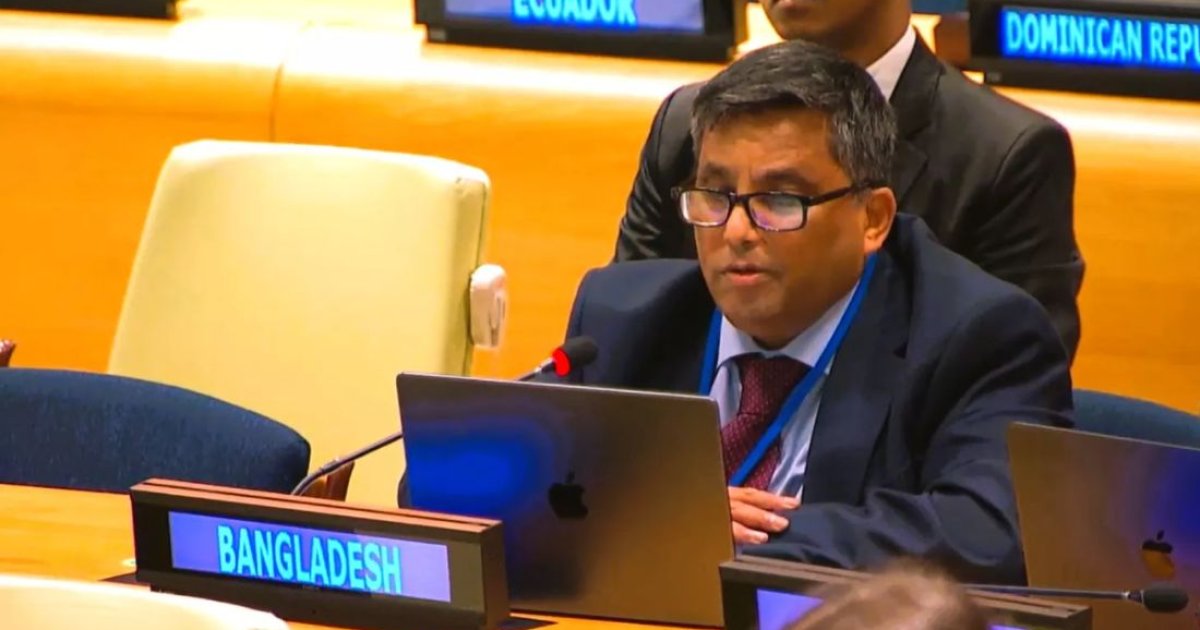
Water Resources Minister Shahiduddin Chowdhury Anee said Dhaka expects New Delhi to take Bangladesh’s water needs into account, arguing that mutual consideration is essential between neighbouring countries.
“The neighbouring country is a friendly country. They have to think that while they have their interests, we also have ours,” Anee said at a seminar in Dhaka, according to reports. “A friend should protect the interests of a friend. We never want our friendly relations with them to deteriorate.”
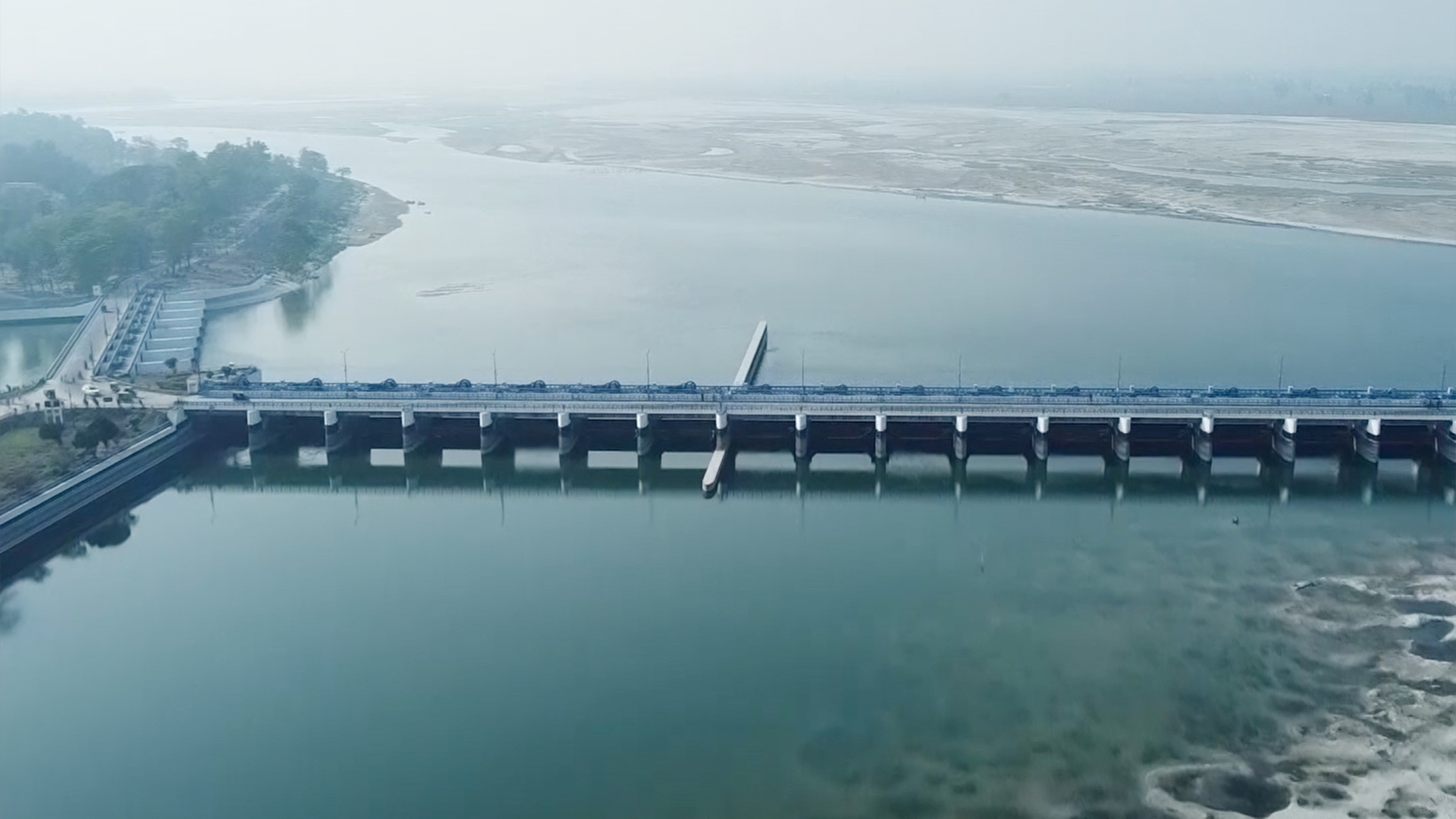
The remarks come as Bangladesh moves ahead with a proposed Teesta River Comprehensive Management and Restoration Project, with China providing technical support. The initiative is intended to address river erosion, seasonal flooding and water shortages affecting communities across northern Bangladesh.
Anee said the government has held a series of seminars and consultations since the February election to gather expert opinions on the project. A detailed assessment based on those recommendations will guide the government’s next steps.
The minister described implementation of the project as a major challenge, saying millions of people in five to six northern districts have endured years of erosion and other river-related problems. He warned that failure to act would further increase the hardships faced by communities in the region.
Bangladesh has also signalled that it wants a formal water-sharing arrangement with India. Anee said a treaty was urgently needed and indicated that Dhaka would continue pursuing the project regardless of whether it ultimately takes the form of a treaty or a broader master plan.
The Teesta dispute has remained unresolved for decades. The river originates in the Himalayas, passes through India's Sikkim and West Bengal before entering Bangladesh, where it eventually joins the Jamuna.
According to India Today, the two countries have been discussing Teesta water-sharing since the 1980s. A draft interim agreement was finalised in 2011, but it was not signed after opposition from the West Bengal government over concerns about the availability of water for the state.
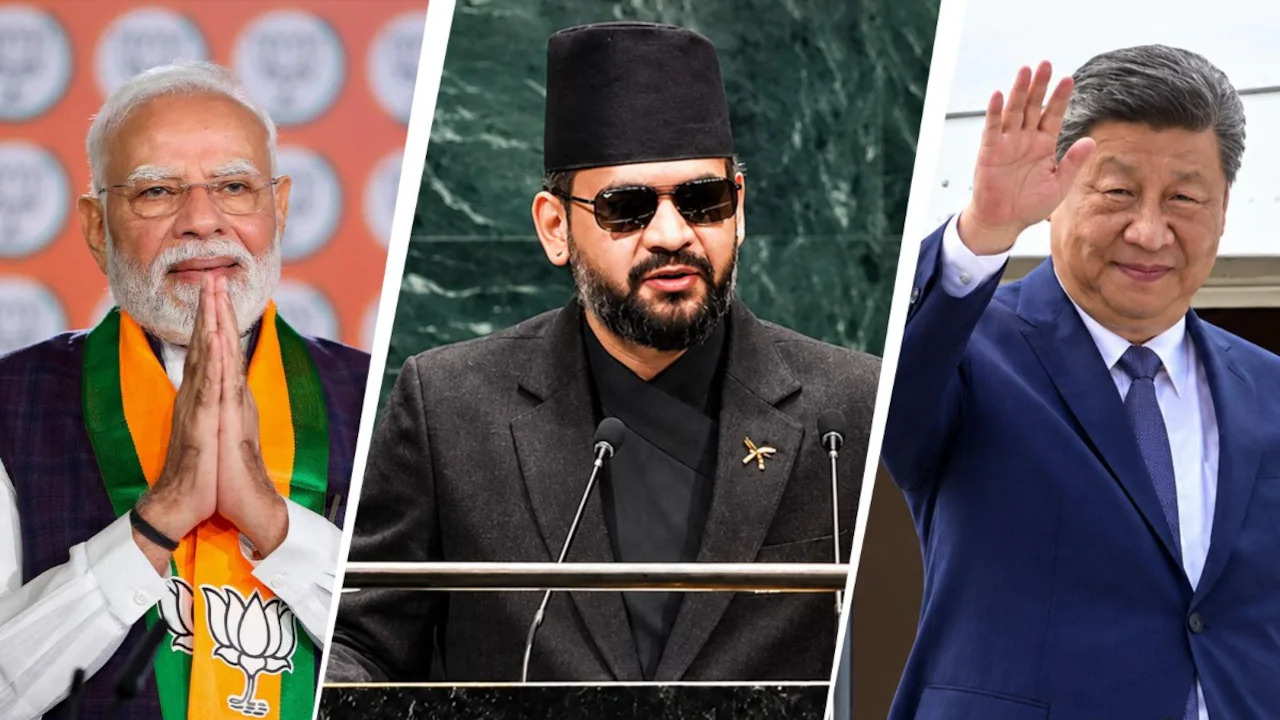
The issue has gained a new strategic dimension following Bangladesh’s growing cooperation with China on the proposed Teesta restoration project. During Prime Minister Tarique Rahman’s June visit to Beijing, China agreed to expedite a technical feasibility study for the initiative.
The development has attracted attention in India because northern Bangladesh lies close to the Siliguri Corridor, the narrow stretch of Indian territory connecting the country’s northeastern states with the rest of India.
New Delhi has maintained that the Teesta issue should be discussed with all relevant stakeholders, including West Bengal. Indian officials have also indicated that developments surrounding Bangladesh’s proposed restoration project would be considered as part of India’s broader approach to the issue.
For Dhaka, however, the Teesta dispute is primarily a question of water security, agriculture and livelihoods. Bangladesh argues that a predictable flow during the dry season is crucial for farmers and communities dependent on the river.
The Teesta negotiations are separate from the Ganges Water Sharing Treaty, signed by India and Bangladesh in 1996 and scheduled to expire in December 2026. The two countries share 54 transboundary rivers and address their water disputes through the Joint Rivers Commission.
With the Ganges treaty’s renewal approaching and the Teesta project moving forward with Chinese technical involvement, water diplomacy is likely to remain a sensitive element of Bangladesh-India relations in the coming months.
BOB Post