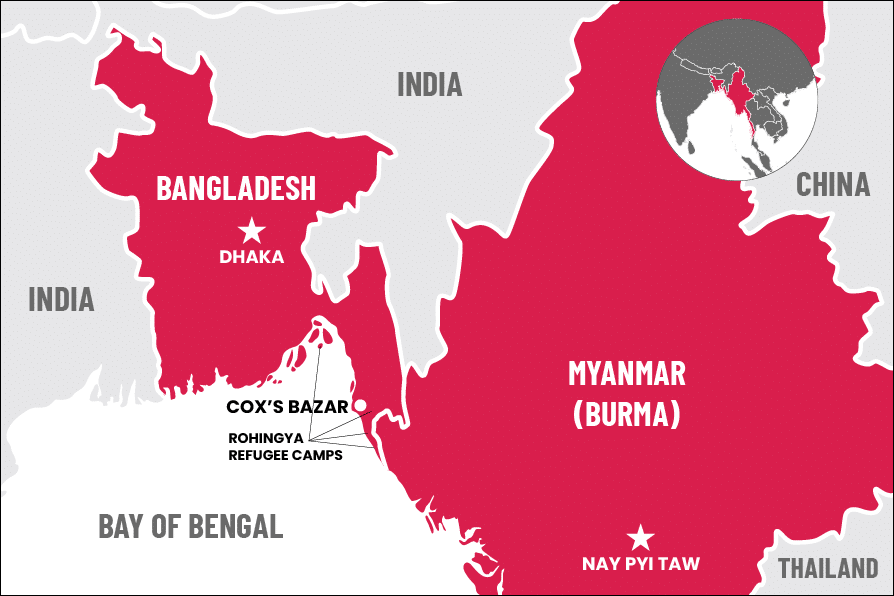
Nearly eight years after the 2017 mass exodus of the Rohingya, competing narratives over who can resolve one of the world's most protracted refugee crises are growing louder. While some recent commentaries have sought to portray the Arakan Army (AA) and its political wing, the United League of Arakan (ULA), as the emerging architects of peace in Myanmar's Rakhine State, such claims risk overlooking a more fundamental reality: durable repatriation cannot be built on military victories or shifting territorial control alone. It requires internationally recognised rights, legal guarantees, accountability for past atrocities and sustained diplomatic engagement, an approach that Bangladesh has consistently championed despite carrying the overwhelming humanitarian burden of hosting more than one million Rohingya refugees.
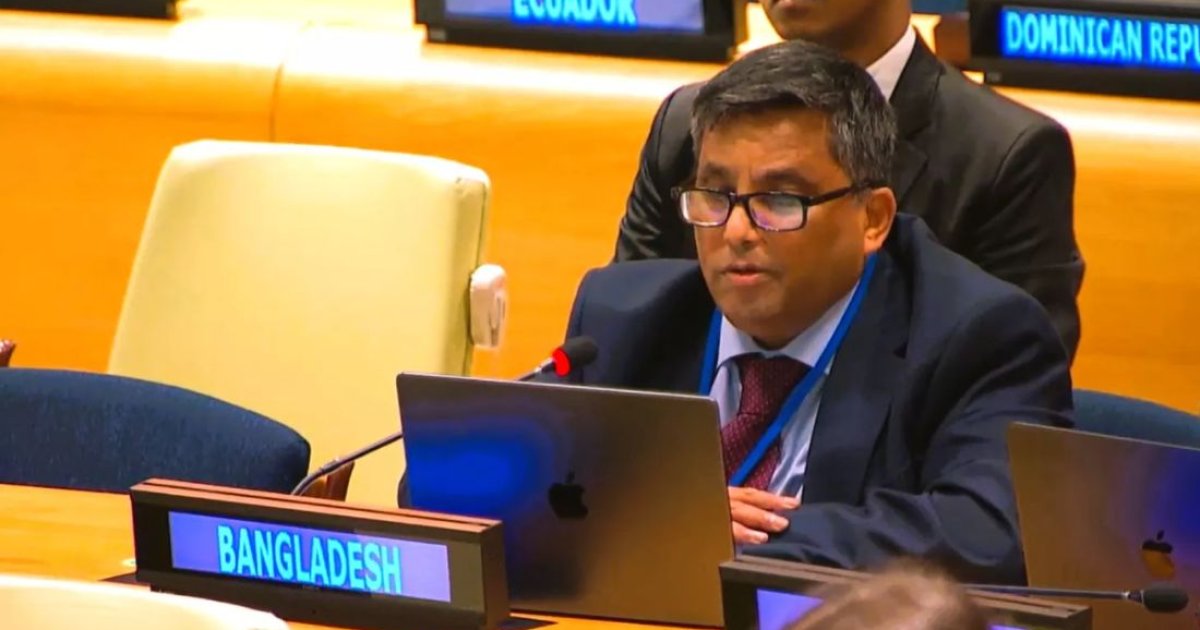
From engaging the United Nations and ASEAN to working with China, India, Japan, the Organisation of Islamic Cooperation (OIC), the United States and European partners, Bangladesh has remained the only country that has continuously placed Rohingya rights, voluntary repatriation and international accountability at the centre of its foreign policy.
Unlike many regional and global actors whose priorities fluctuate according to strategic interests, Bangladesh has maintained a clear and consistent position: the Rohingya belong in Myanmar, and their return must be voluntary, safe, dignified and based on internationally recognised citizenship and rights.
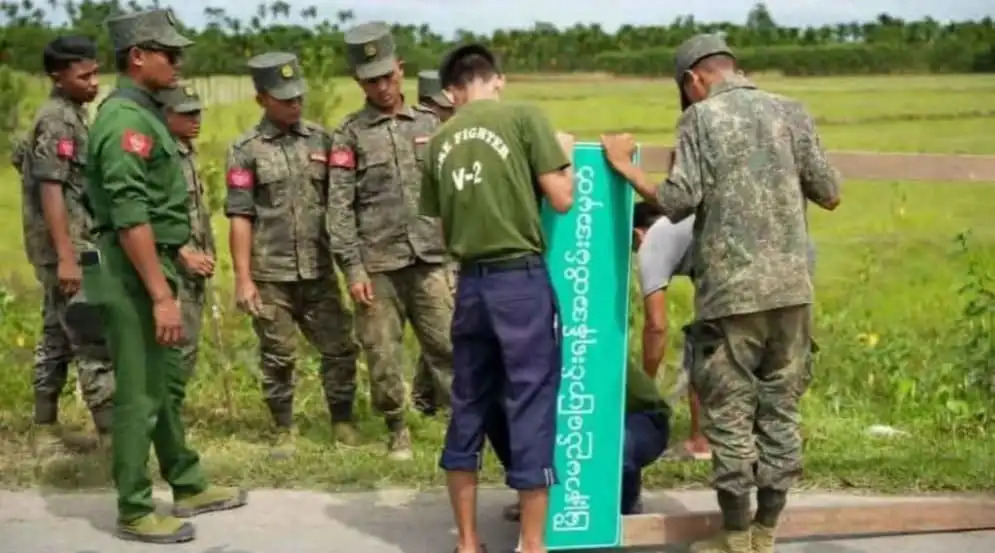
The Global Arakan Network article presents the Arakan Army as an inclusive governing force capable of ensuring refugee returns. Such assertions deserve careful scrutiny. The AA remains an armed organisation whose long-term political objectives remain ambiguous. While it has expanded territorial control across large parts of Rakhine State, it has never presented a transparent constitutional framework guaranteeing equal citizenship, political representation and permanent protection for the Rohingya community under international legal standards.
Equally important, numerous analysts continue to question the movement's ultimate vision for an independent "Arakan" or highly autonomous administration. Without internationally recognised governance structures, legal guarantees and credible monitoring mechanisms, promises of coexistence alone cannot substitute for enforceable rights.
Security concerns also complicate the narrative. Bangladesh's border authorities have repeatedly faced growing challenges involving arms trafficking, narcotics smuggling and transnational criminal networks operating along the Myanmar frontier. Independent security experts have long warned that the prolonged conflict has created fertile ground for illicit economies involving methamphetamine production, yaba trafficking and other organised criminal activities.
While responsibility for these networks is often fragmented among multiple armed actors and criminal syndicates, the expansion of conflict-controlled territories inevitably raises difficult questions about governance, accountability and financial sustainability. Any political actor seeking international legitimacy must demonstrate transparent efforts to dismantle not merely coexist with these illicit economies.
The humanitarian dimension should not be overshadowed by competing political narratives. Many Rohingya families continue to report uncertainty about their future inside areas controlled by various armed groups. Beyond physical security, they seek internationally recognised citizenship, freedom of movement, access to education and healthcare, protection from discrimination and guarantees against future persecution. These are rights that cannot be secured solely through informal understandings with any armed organisation.
Moreover, portraying Bangladesh as needing to shift away from its current diplomatic approach overlooks the reality that Dhaka has already pursued one of the most active and sustained diplomatic campaigns on behalf of the Rohingya since 2017. Bangladesh has supported international accountability mechanisms, facilitated humanitarian access, cooperated with UN agencies, advocated before global forums and repeatedly called for coordinated international pressure on Myanmar. Few countries have invested comparable diplomatic capital while simultaneously bearing such an immense humanitarian burden.
The crisis also extends beyond bilateral politics. Sustainable repatriation requires cooperation among the United Nations, ASEAN, major regional powers and Myanmar's relevant stakeholders under internationally accepted legal frameworks. Any lasting solution must be accompanied by international monitoring, security guarantees and accountability for past atrocities. Replacing one uncertain actor with another cannot resolve the structural causes of displacement.
The Rohingya crisis is ultimately about rights rather than territorial control. Bangladesh has consistently argued that the solution lies not in legitimizing competing armed authorities but in creating conditions where Rohingya can return as equal citizens with internationally protected rights and lasting security. That position remains consistent with international law and humanitarian principles.
As Myanmar's internal conflict continues to evolve, engagement with all relevant stakeholders may become necessary for practical humanitarian coordination. However, diplomatic engagement should never be mistaken for political endorsement, nor should it replace the broader international responsibility to ensure justice, accountability and durable solutions.
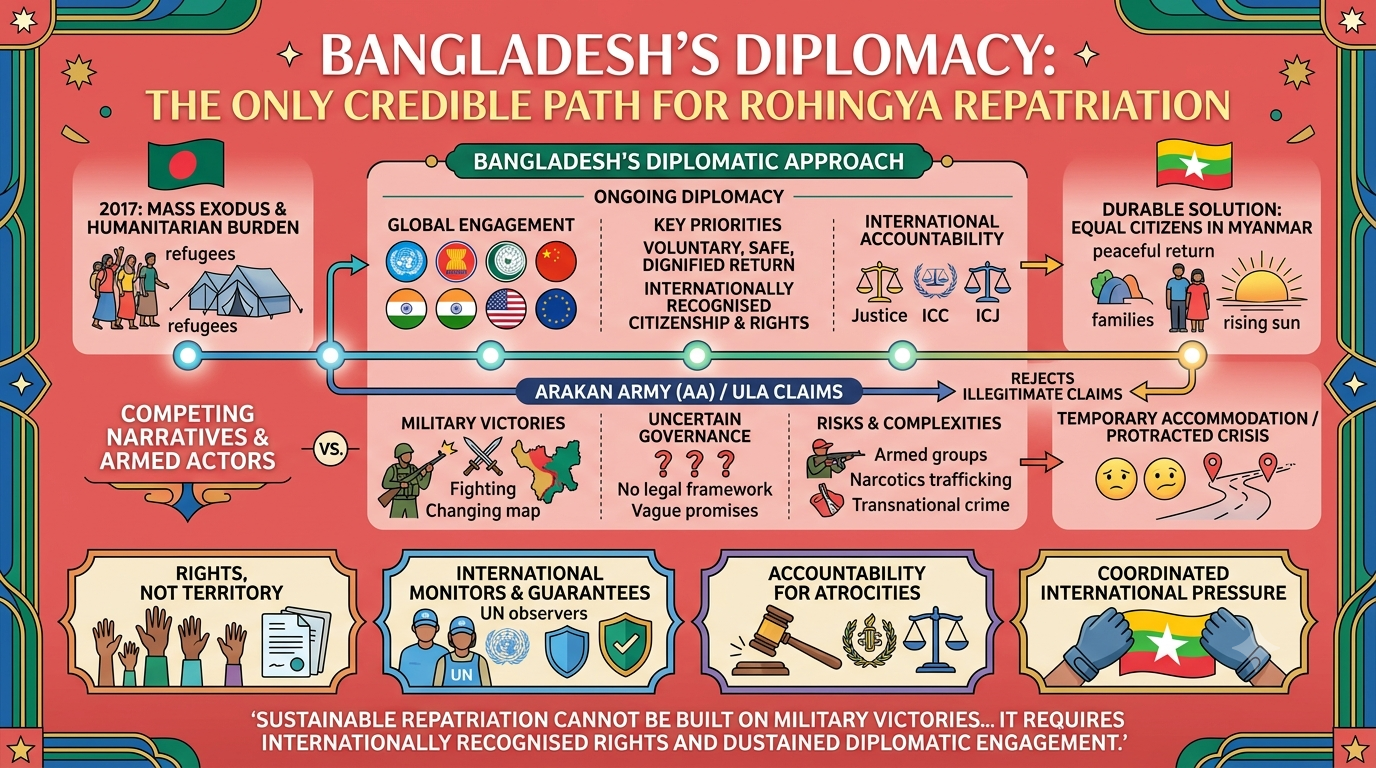
For nearly a decade, Bangladesh has remained the frontline defender of displaced Rohingya despite immense national costs. While armed actors pursue shifting political ambitions and uncertain visions of the future, Bangladesh's diplomacy has remained anchored in one principle: that the Rohingya deserve not temporary accommodation under competing authorities, but a safe, voluntary and dignified return to their homeland with their rights fully restored.
BOB Post