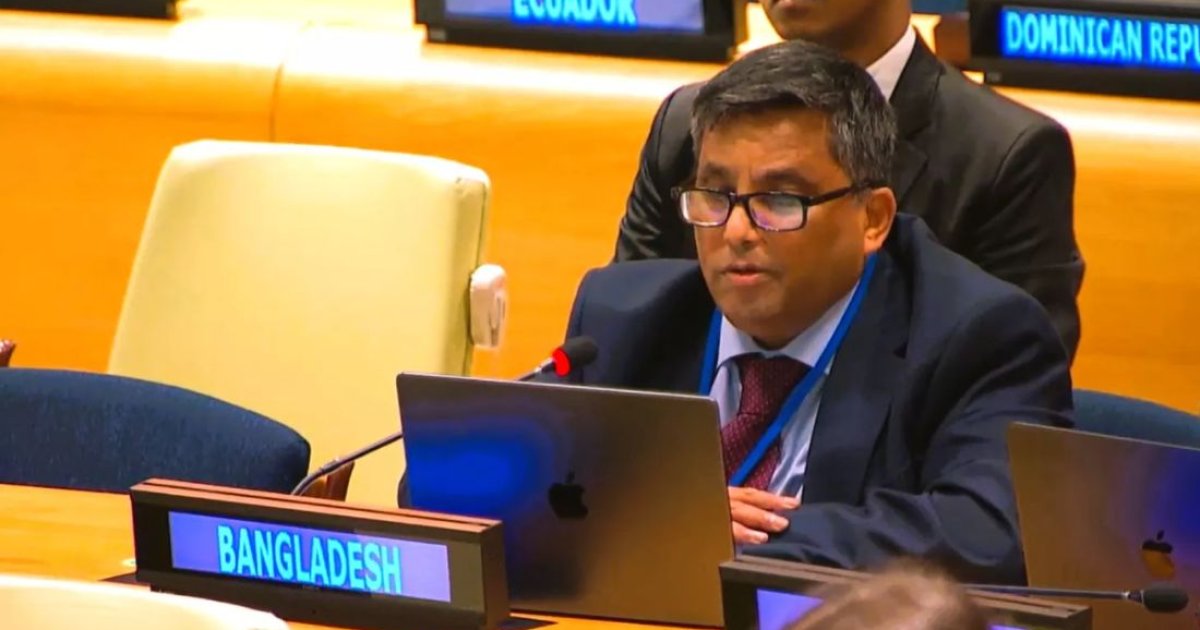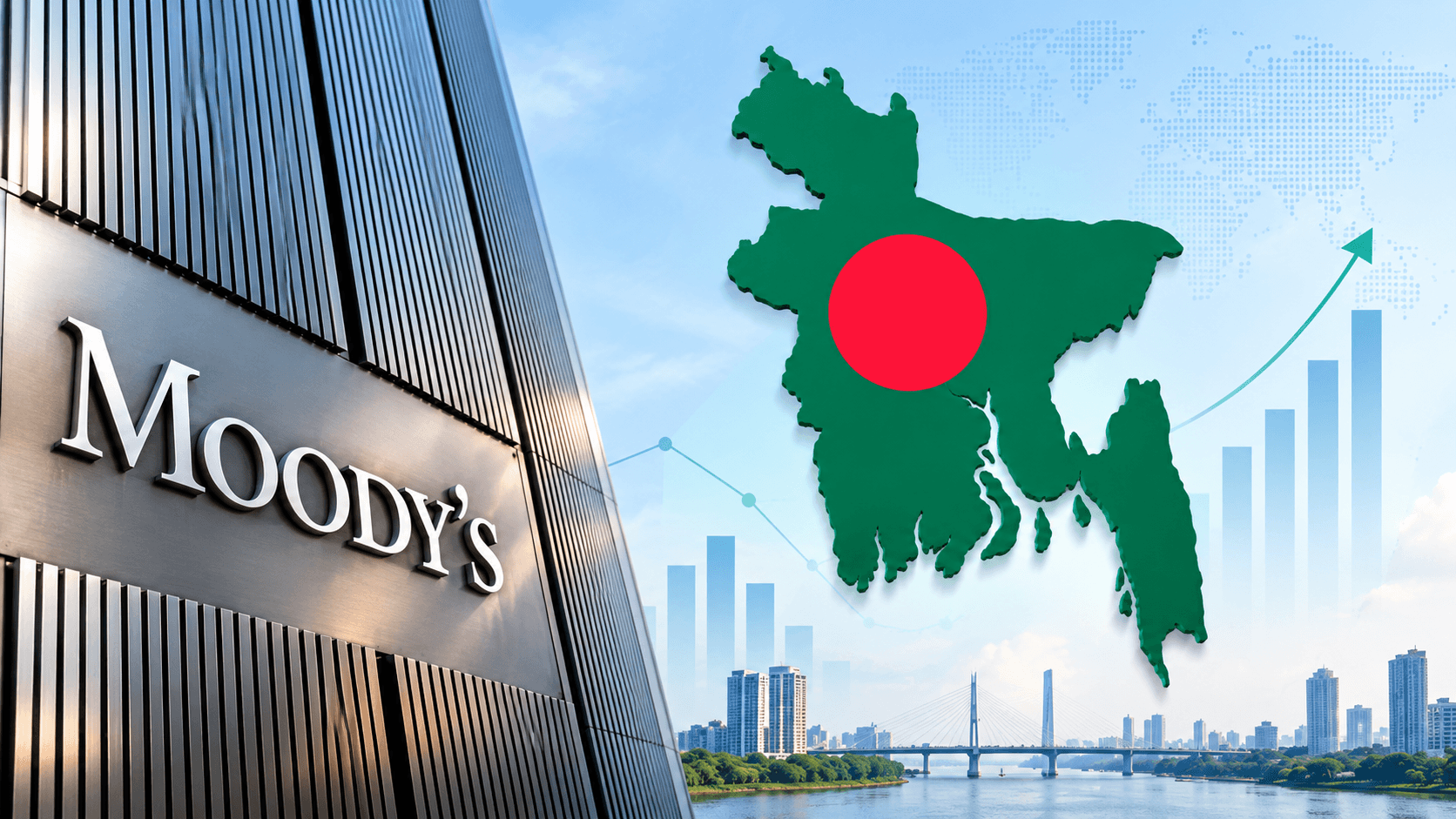
Bangladesh has received a more stable economic outlook from Moody’s as the World Trade Organization warned of growing risks to least-developed countries from a fragmented global trading system.
Moody’s Investors Service has changed Bangladesh’s sovereign outlook from negative to stable. It kept the country’s rating at B2.
The agency said political and external pressures have eased. It also said the post-election transition and the government’s strong mandate have reduced the risk of political uncertainty disrupting economic reforms.
Bangladesh’s external position has also improved. Moody’s pointed to higher foreign exchange reserves, a more flexible exchange-rate system and record remittance inflows.
The rise in remittances has helped the country deal with higher energy import costs, the agency said.
Meanwhile, the WTO has warned that LDCs could suffer major economic losses if the global trading system becomes fragmented. According to The Financial Express, LDCs could lose 16.5 percent of their GDP if the multilateral system is replaced by a network of free-trade agreements without wider cooperation.
The WTO made the assessment in its World Trade Report 2026, released in Geneva on Tuesday. The report is titled “A critical juncture for the world trading system.”
The report said global GDP could fall by 5.1 percent in a world divided along geopolitical lines. Global exports could drop by 18.6 percent.
LDCs would face a sharper impact. Their real GDP could fall by 10.6 percent under this scenario.
The risks are even higher under an FTA-based system without the WTO. Global GDP could fall by 6.9 percent and global exports by 26.9 percent. LDC exports could decline by as much as 45 percent.
The warning is important for Bangladesh. It is the largest merchandise exporter among LDCs. The country accounts for about 17 percent of total LDC exports.
The WTO, however, also sees room for gains. Stronger multilateral cooperation could raise global GDP by 2.9 percent, or about $3 trillion, by 2050.
LDCs could see their GDP rise by 7.7 percent. Their exports could increase by 45 percent under the stronger cooperation scenario.
For Bangladesh, the two reports underline both progress and risks. Moody’s sees improvements in the country’s immediate economic position. The WTO, meanwhile, stresses the need for predictable global trade rules and continued access to international markets.
BOB Post