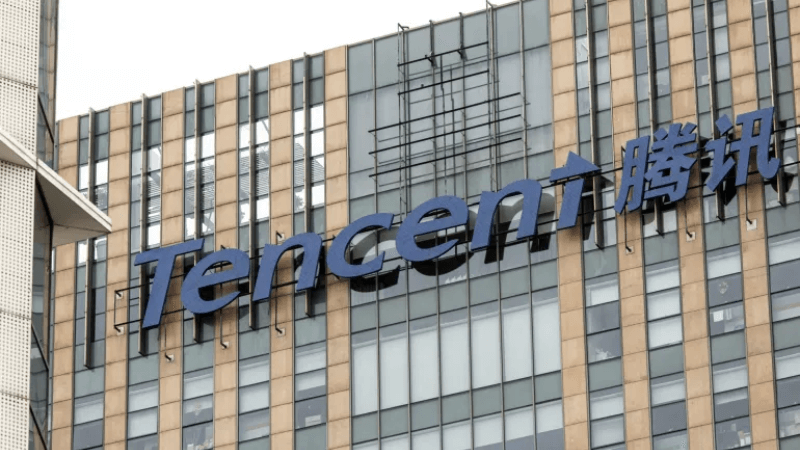
The Chinese gaming industry faces a potential shake-up as authorities consider revising recently proposed regulations that sent shockwaves through the tech sector. The draft rules, unveiled in November 2023, triggered a major market upheaval and prompted concerns about the impact on key players, including industry giants Tencent Holdings and Netease. Reports now suggest that policymakers are open to softening certain measures, reflecting a potential pivot in response to widespread criticism and economic anxiety.
In November 2023, Chinese authorities released a set of draft regulations targeting the online gaming sector. The proposed rules included strict limitations on playtime for users under 18, capping it at one hour per day, and restricting adults to three hours per day. Additionally, the regulations sought to curb in-game spending, particularly targeting features like loot boxes and probability-based draw features, and mandated game publishers to store their servers within China. The announcement had an immediate and severe impact on the stock prices of major gaming companies. Tencent Holdings, the world's largest gaming company, saw a staggering 16% decline in its share value, wiping out approximately $54 billion in market capitalization. Netease and other industry players also experienced significant losses, with the overall market value plummeting by as much as $80 billion.

The proposed regulations were met with widespread concern from various quarters. Industry experts expressed apprehensions about the potential stifling effect on innovation, revenue growth, and job creation within the gaming sector. Critics questioned the effectiveness of the measures in achieving their stated goals of addressing gaming addiction and promoting healthier gaming habits among the youth. State broadcaster CCTV reported on Saturday that Chinese authorities are contemplating revisions to the draft rules. The report stated that officials have taken note of the "concerns and opinions raised by all parties" and that the State Press and Publication Administration would carefully study the feedback to "further revise and improve" the regulations.
While specific details regarding the revisions remain unclear, there are indications that certain restrictions on playtime and in-game spending may be reconsidered. Sections of the draft rules related to daily logins and wallet top-ups, common incentive mechanisms in online games, may undergo changes in wording to address concerns raised by stakeholders.
The potential revision of the draft rules introduces a degree of uncertainty into the future trajectory of China's gaming industry. As the world's largest gaming market, the industry's fortunes have a ripple effect on the global gaming landscape. Investors and industry players will be closely monitoring developments to gauge the extent of the revisions and their impact on market dynamics.
China's approach to regulating the gaming sector reflects a delicate balance between addressing societal concerns, particularly related to youth gaming habits, and fostering a thriving industry. The challenge lies in crafting regulations that achieve the intended goals without stifling innovation and economic contributions from the gaming sector.
The next steps in China's gaming landscape remain uncertain. The State Press and Publication Administration is seeking public comment on the draft rules until January 22, providing an opportunity for stakeholders to contribute to the ongoing discourse. The evolving situation underscores the complexities of regulating a dynamic industry that plays a significant role in the cultural and economic fabric of China.
BOB Post