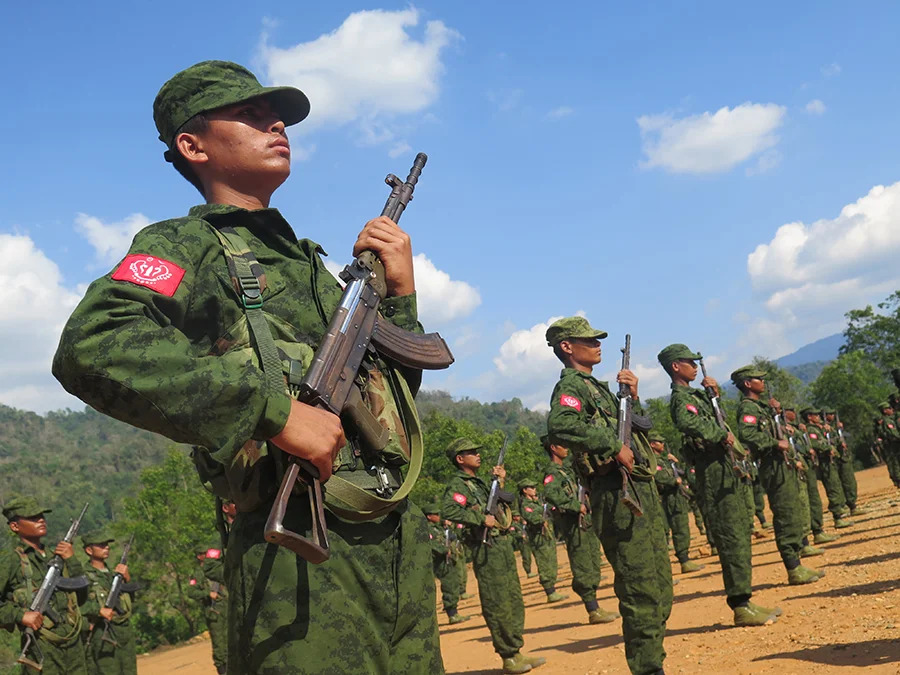
A controversy over refugee identity verification in Bangladesh has taken a wider turn after Arakan Bay News, a media outlet widely regarded as aligned with the Arakan Army (AA), published a report linking isolated registration irregularities to broader questions about international refugee resettlement and humanitarian oversight. While the report highlights a genuine administrative concern, analysts say it extends beyond the available evidence by making claims that remain unverified.
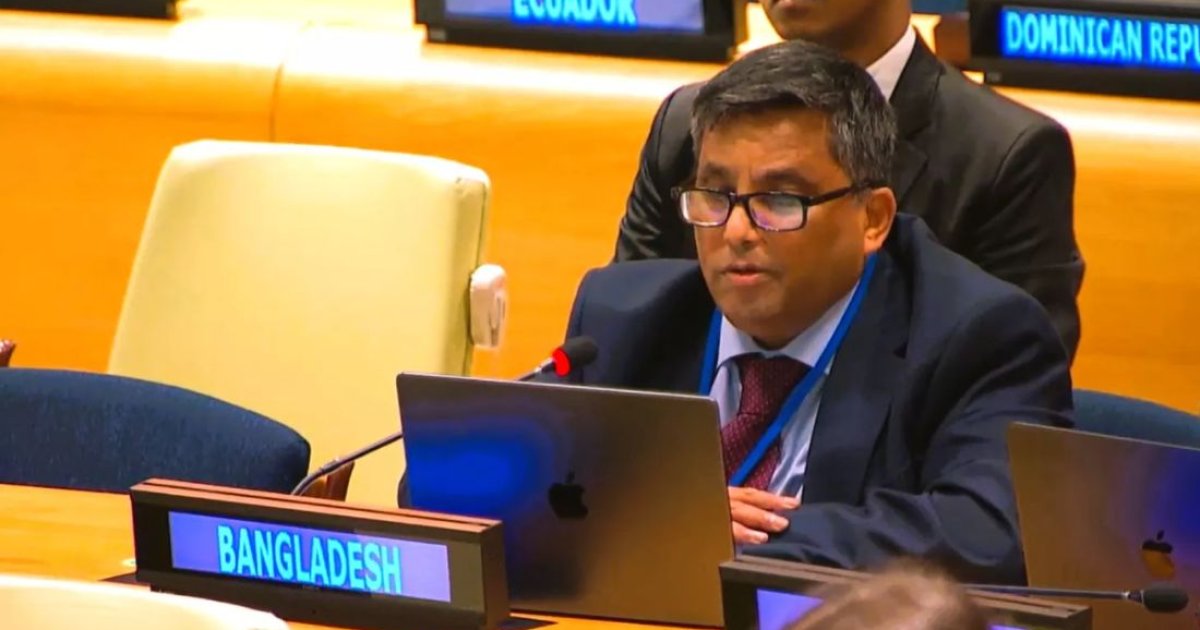
Bangladesh's Chief Election Commissioner recently acknowledged that some Bangladeshi nationals may have fraudulently registered as Rohingya refugees to access humanitarian assistance. However, the remarks focused on identity verification challenges and did not indicate that the country's refugee registration system or international resettlement programmes had been compromised.
The AA-linked report goes further by suggesting that fraudulent registrants may have been resettled to countries including the United States, Canada, Australia and several European nations, despite offering no evidence to support the claim.
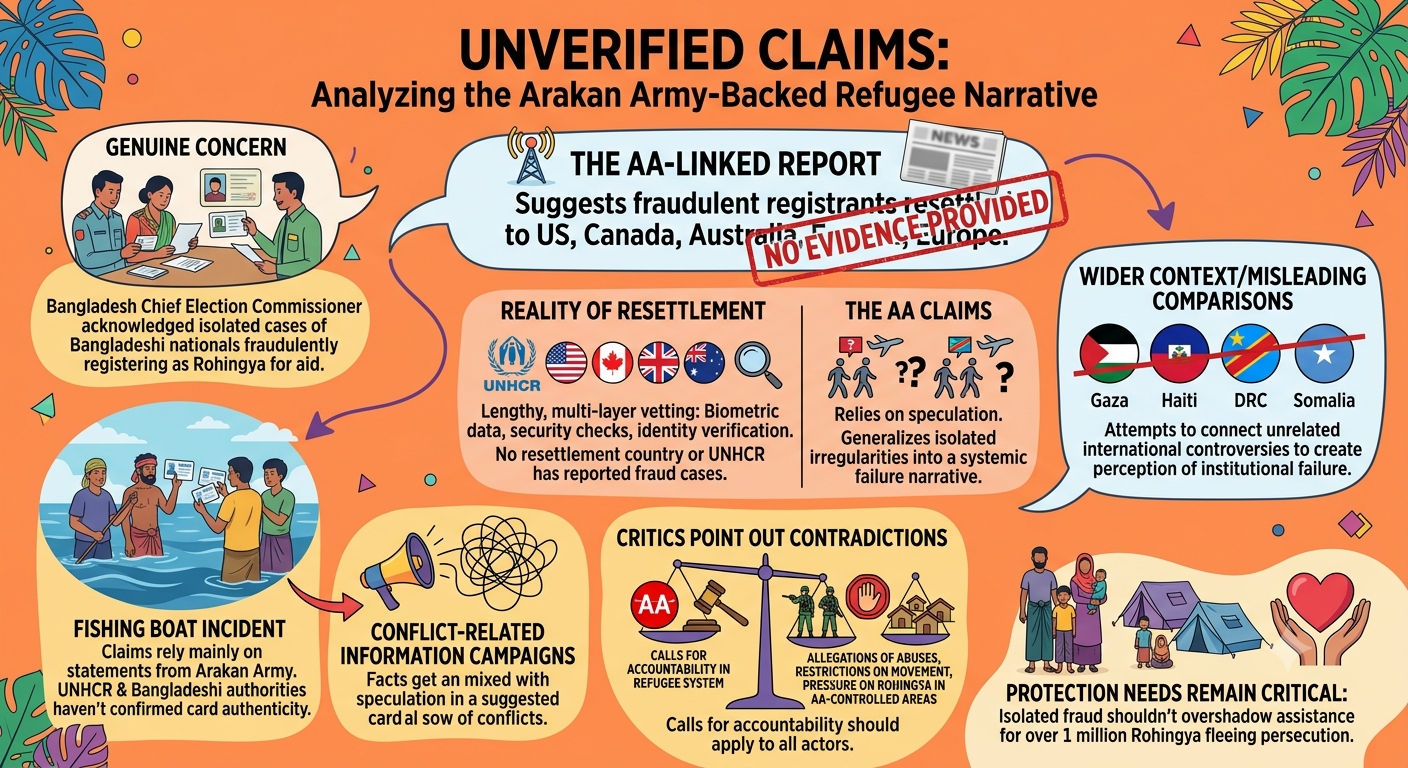
Refugee experts say such conclusions risk turning limited administrative irregularities into a much broader narrative. They note that conflict-related information campaigns often mix verified facts with speculation to strengthen political arguments.
International refugee resettlement involves multiple layers of screening by host governments, UNHCR and receiving countries. Biometric registration is only one part of a lengthy vetting process that includes identity checks, security screening and documentation reviews. No resettlement country or UNHCR has publicly reported cases of Bangladeshi citizens entering these programmes using fraudulent Rohingya identities.
The report also refers to incidents involving Bangladeshi fishermen allegedly carrying UNHCR refugee cards after being detained by the Arakan Army in waters off Myanmar's Rakhine State. However, the claims rely mainly on statements from the armed group, while neither UNHCR nor Bangladeshi authorities have publicly confirmed the authenticity of the documents.
It also attempts to connect Bangladesh's identity verification issue with separate controversies involving UN operations in Gaza, Haiti, the Democratic Republic of Congo and Somalia. Analysts caution that drawing connections between unrelated cases can create perceptions of wider institutional failure without establishing direct links.
Humanitarian experts stress that cases of fraud must be investigated and addressed, but isolated violations should not overshadow the protection needs of more than one million Rohingya refugees who remain dependent on international assistance after fleeing persecution in Myanmar.
The controversy has also drawn attention to what critics describe as a contradiction in the Arakan Army's position. While the group highlights alleged irregularities within the Rohingya refugee registration system, rights observers have repeatedly raised concerns over allegations of abuses, restrictions on movement and pressure on Rohingya communities in areas under AA control. Critics argue that calls for accountability should apply consistently to all actors involved in the conflict, including armed groups themselves.
BOB Post