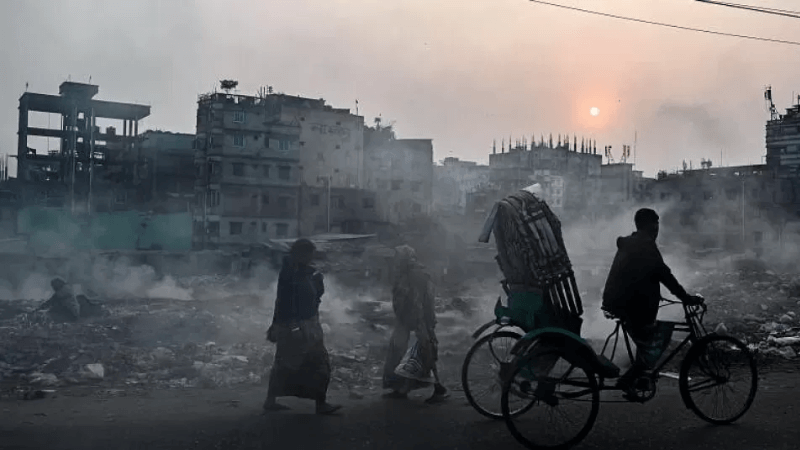
Air quality monitors delivered a grim message – Dhaka's Air Quality Index (AQI) had surged to an alarming 320, categorizing it as "hazardous," the worst classification possible. This marked a distressing reality for the city, placing millions of residents at severe health risk due to the pervasive air pollution crisis.
The Air Quality Index, a standard measure of air pollution, skyrocketed to 320 in Dhaka, indicating "hazardous" conditions. This level of pollution poses immediate and serious health threats to everyone, not just those with pre-existing conditions. Particulate matter (PM2.5 and PM10), the chief contributors to Dhaka's debilitating smog, emanate from various sources, including vehicle emissions, industrial activities, construction dust, and open burning. The combination creates an unhealthy atmospheric cocktail that residents are forced to breathe. Dhaka's struggle with air pollution is not a new one. The city consistently ranks among the most polluted globally, and this year marks the third consecutive time it has claimed the title of the most polluted capital in the World Air Quality Report.
The "hazardous" air quality in Dhaka poses a significant health risk to its inhabitants. Vulnerable groups, including children, pregnant women, and individuals with pre-existing health conditions, face heightened dangers. Respiratory problems, cardiovascular issues, and increased risks of heart disease and stroke are immediate consequences. Beyond the toll on health, air pollution exacts a considerable economic cost on Dhaka. Increased healthcare expenditures, productivity losses due to illnesses, and a potential reduction in tourism collectively impact the city's economy.
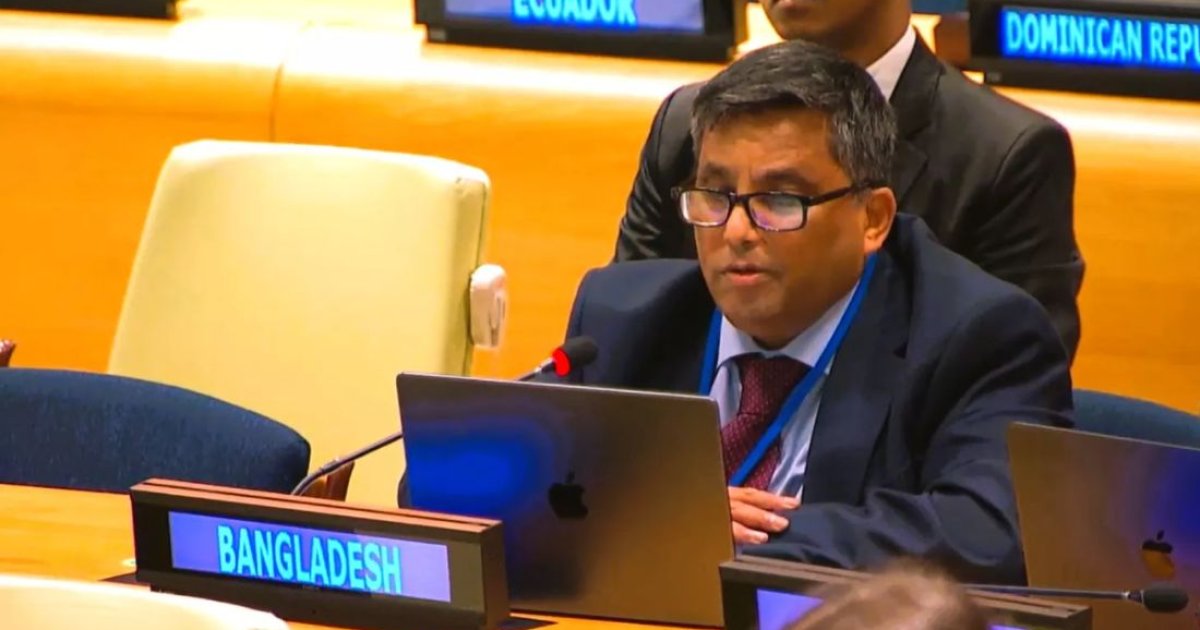
Acknowledging the severity of the problem, the Bangladeshi government has implemented several measures to combat air pollution. Stricter vehicle emission standards, bans on open burning, and investments in public transportation and renewable energy showcase governmental efforts to curb the crisis. Civil society organizations and environmental activists play a vital role in raising awareness and advocating for more stringent regulations. Community-based initiatives aim to contribute to reducing air pollution.
Dhaka's air pollution crisis is not confined within its borders; it demands international attention and collaboration. Sharing best practices, providing technical assistance, and supporting clean energy initiatives are pivotal steps in addressing this transboundary challenge. A shift towards sustainable development practices is imperative. Investing in renewable energy, promoting clean transportation options, and adopting stricter environmental regulations are essential for a healthier future for Dhaka's residents.
Dhaka's plight is emblematic of the broader environmental challenges cities worldwide face. The urgency to address air pollution is a shared responsibility that requires collective action. While the current situation may seem dire, Dhaka can overcome this suffocating smog by taking collective action, implementing effective policies, and prioritizing sustainable solutions. The city can breathe clean air again with concerted efforts from all stakeholders.
BOB Post