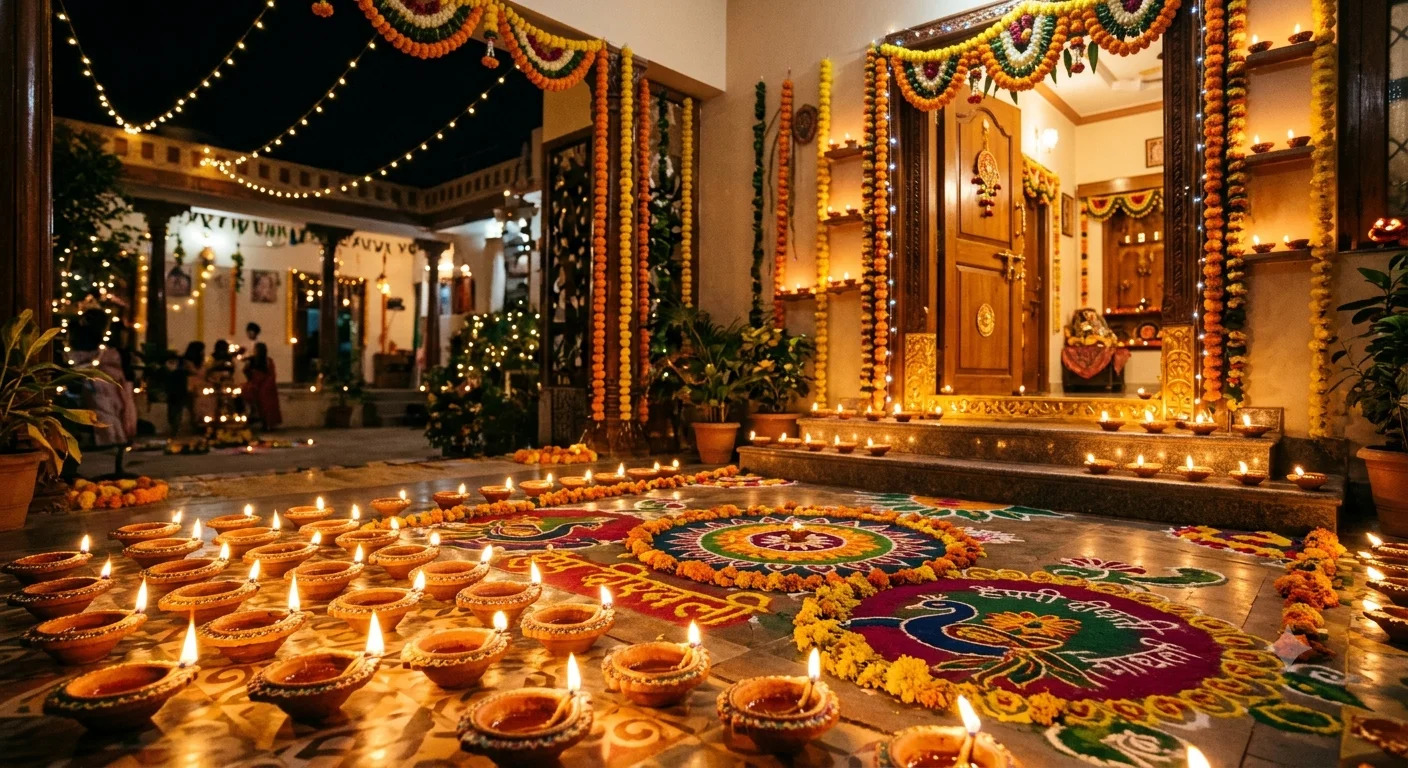
Millions of people across India, Bangladesh, Nepal and other parts of the world are celebrating Diwali, the Hindu festival of lights, with prayers, traditional lamps, colourful decorations, family gatherings and fireworks.
Observed annually on the darkest night of the Hindu lunar month of Kartik, Diwali carries a message of the triumph of light over darkness and good over evil. It is one of the most significant festivals in Hinduism and is celebrated by Hindu communities across South Asia and beyond.
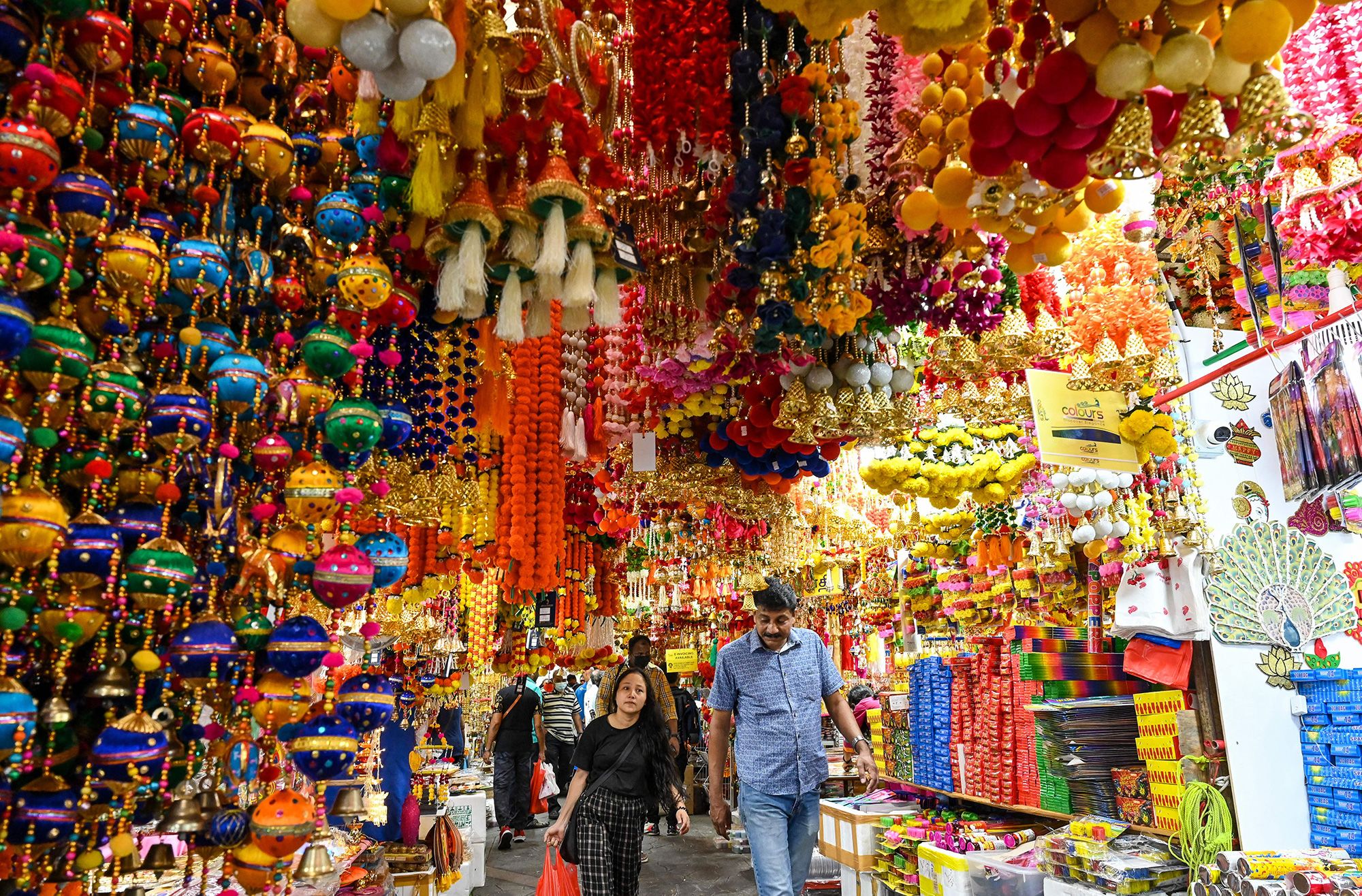
In India, homes, temples, markets and streets have been decorated with colourful lights and traditional clay lamps, known as diyas. Families are gathering for religious rituals, exchanging gifts and sweets, while markets remain busy with people buying festive decorations, flowers and traditional clothing.
The festival is also widely observed in Bangladesh, where Hindu communities are marking the occasion through prayers, lighting lamps, decorating temples and organising religious and cultural programmes. Temples and Hindu neighbourhoods across the country have taken on a festive atmosphere.
In Nepal, where Diwali is known as Tihar, celebrations extend over five days and include worship of crows, dogs, cows and the goddess Lakshmi, alongside family gatherings and traditional celebrations.
Beyond the region, Hindu communities in countries including Sri Lanka, Malaysia, Singapore, the United Kingdom, Canada and the United States are also observing the festival.
However, the celebrations in India come with renewed concerns over air pollution. Firecrackers, combined with seasonal smog and agricultural burning, have raised fears of worsening air quality, particularly in Delhi and other northern cities.
Delhi recorded an Air Quality Index (AQI) of 391 on Friday, placing it in the 'very poor' category ahead of the main celebrations. India's Supreme Court has allowed the limited use of certified green firecrackers in Delhi and surrounding areas in an effort to reduce pollution.
Despite regional differences in customs, Diwali remains a major occasion for religious devotion, family reunions and cultural expression, bringing millions of people together across borders.
BOB Post