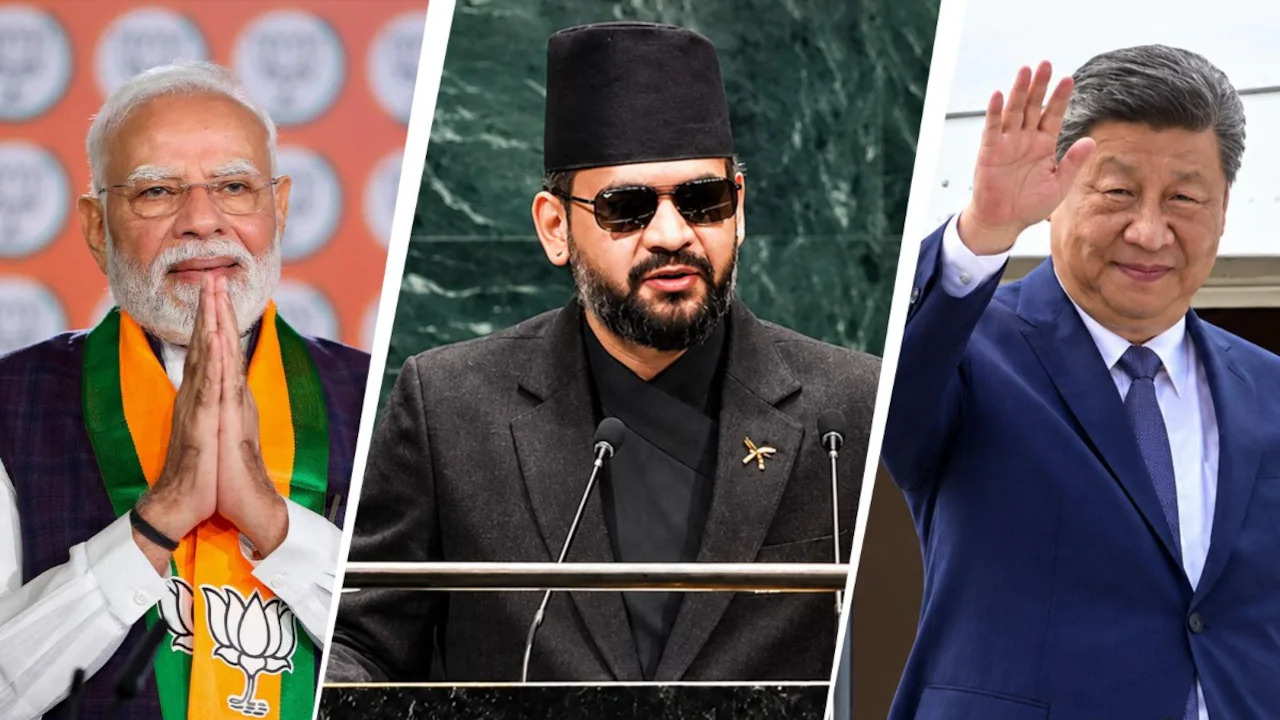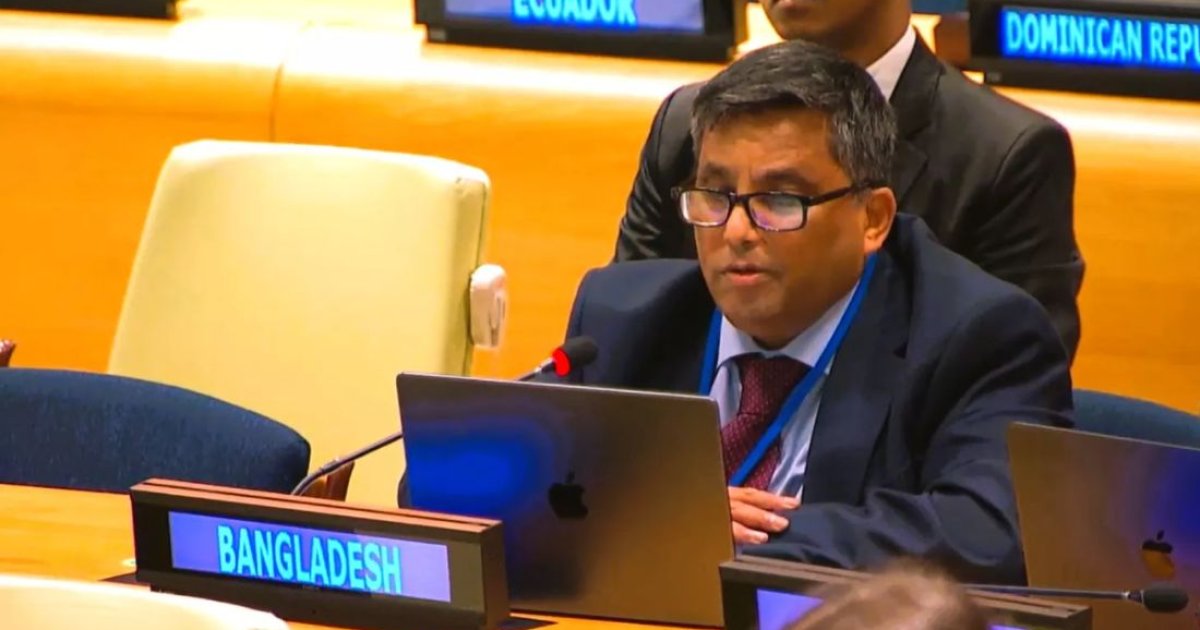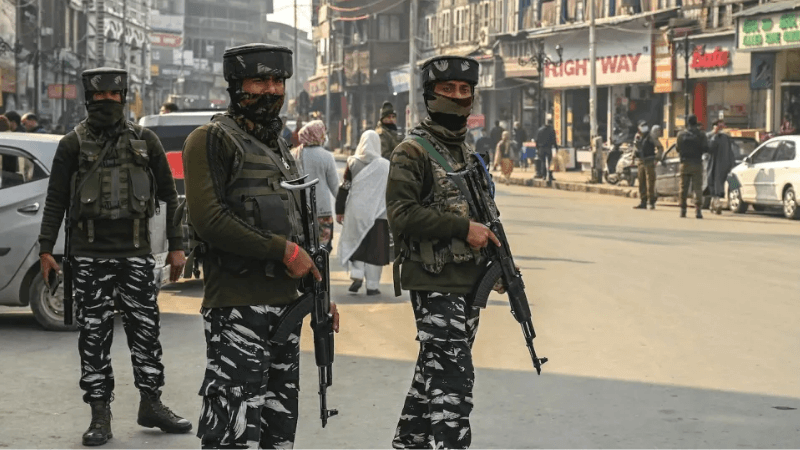
India’s Supreme Court, in a ruling on Monday, has affirmed the government’s decision to revoke the special status for the state of Jammu and Kashmir. The court, comprised of a panel of five judges, also mandated the region to conduct local elections by September 30 next year. Critics perceive this decision as another move by the ruling Bhartiya Janata Party (BJP) to tighten control over India’s sole Muslim-majority region.
For about seven decades, Jammu and Kashmir enjoyed significant autonomy under Article 370 of the Indian constitution, granted in 1947 after the first India-Pakistan war over the Himalayan region. In 2019, Prime Minister Narendra Modi’s government revoked Article 370. Since August of this year, India’s top court has been examining petitions challenging the constitutionality of this move.
On Monday, the panel of judges unanimously upheld Modi’s decision, asserting that the special status for Jammu and Kashmir was only temporary. Chief Justice DY Chandrachud stated, “Article 370 was an interim arrangement due to war conditions in the state,” adding that a textual reading indicates its temporary nature.
The region has been at the center of over 75 years of tensions between India and Pakistan since gaining independence from British rule in 1947. Two years later, Article 370 came into effect, providing the basis for Jammu and Kashmir’s accession to the Indian union and granting the region autonomy, except in finance, defense, foreign affairs, and communications.
Modi’s revocation of Article 370 resulted in the division of the region into two federal territories – Ladakh and Jammu-Kashmir – both directly ruled by the central government without their own legislature.
Analysts, such as Ajai Shukla in New Delhi, see this move as catering to the Hindu-majority electorate in India, describing it as political polarization and fulfillment of a promise made by the ruling party to its Hindu vote bank.
Following Monday’s ruling, Modi characterized it as “a beacon of hope, a promise of a brighter future,” emphasizing hope, progress, and unity for the people in Jammu, Kashmir, and Ladakh.
Political parties in Kashmir opposing the revocation expressed disappointment. Former chief minister Omar Abdullah stated, “The struggle will continue,” while Mehbooba Mufti, another former chief minister, affirmed that the fight for honor and dignity would persist.
The Kashmir region is divided among India, which governs the populous Kashmir Valley and the Hindu-dominated Jammu region; Pakistan controls a portion in the west, and China holds a thinly populated high-altitude area in the north.
BOB Post