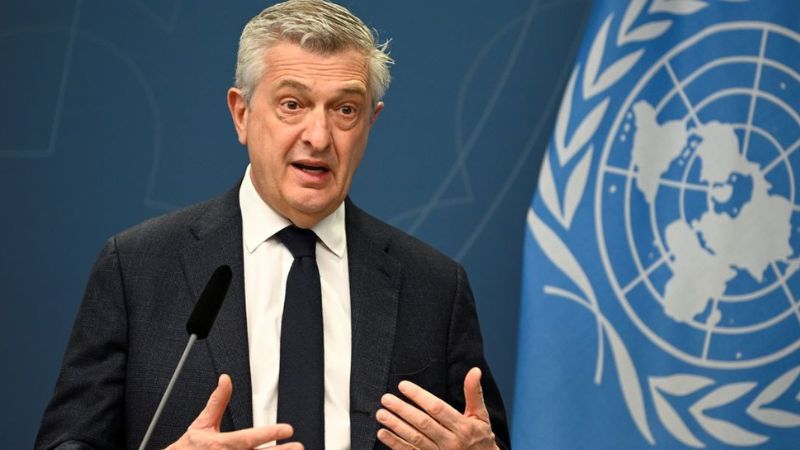
The UN High Commissioner for Refugees (UNHCR), Filippo Grandi, has expressed deep concerns over potential foreign funding cuts, warning that thousands of Rohingya refugees in Bangladesh face heightened risks of hunger, disease, and insecurity. His remarks came amid growing fears that a shift in US foreign aid policies could severely impact humanitarian assistance in the world's largest refugee settlement.
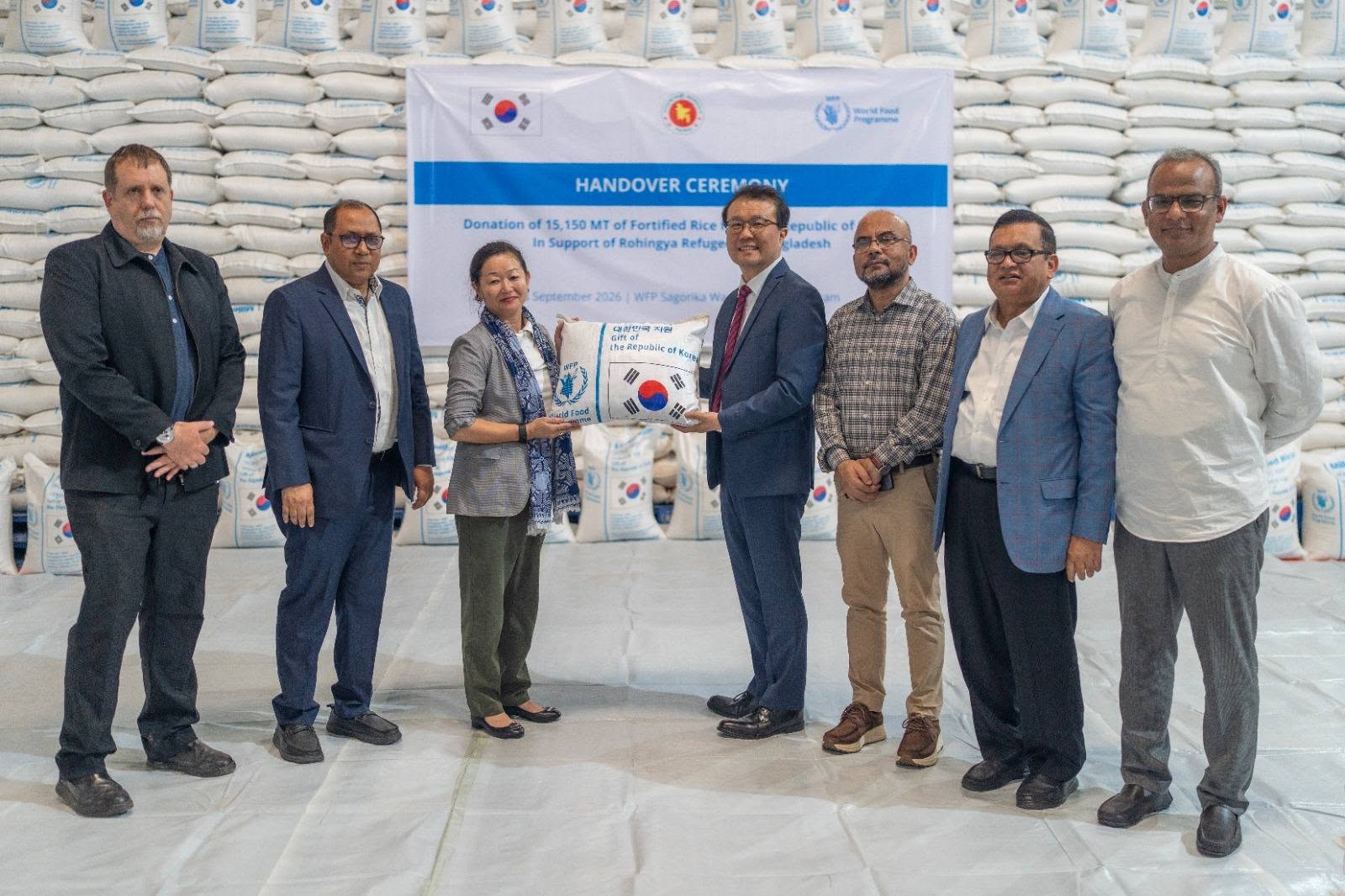
Bangladesh has been hosting more than 1.2 million Rohingya refugees in the southeastern Cox’s Bazar district since 2017, following a brutal military crackdown in Myanmar. With no legal access to employment, the Rohingya rely almost entirely on international aid for survival. However, declining donations have led to severe food ration cuts, deteriorating living conditions, and rising unrest within the camps.
“If donor support decreases dramatically—which may happen—the huge work done by the Bangladesh government, aid agencies, and refugees will be impacted, putting thousands at risk of hunger, disease, and insecurity,” Grandi warned on X after visiting the Cox’s Bazar camps on Friday( February 28).
Mounting Uncertainty and Rising Tensions
The reduction in aid has already created uncertainty among the Rohingya population, leading to increased crime, violence, and frustration within the camps. Many refugees, struggling to meet their basic needs, are resorting to desperate measures, including illegal migration attempts and involvement in illicit activities.
“Without proper food and medical support, the situation is worsening,” said Mohammad Karim, a Rohingya community leader in the Kutupalong camp. “People are frustrated, and many are thinking of leaving, even if it means risking their lives at sea.”
This unrest has also had ripple effects on Bangladesh’s host communities. Local residents in Cox’s Bazar, already grappling with economic challenges, have reported an increase in crimes such as human trafficking, drug smuggling, and gang violence linked to the deteriorating conditions in the refugee camps.
Bangladesh’s Plea for Continued Support
During his visit, Grandi met with Bangladesh’s transitional government head, Muhammad Yunus, who called for sustained international assistance. Yunus had earlier urged US officials to reconsider their policy shift, emphasizing that American aid remains critical for managing the humanitarian crisis.
“The burden on Bangladesh is immense. We have shown great generosity, but without sufficient funding, this crisis could spiral out of control,” Yunus stated.
Despite hosting the Rohingya for over seven years, Bangladesh has struggled to secure long-term solutions, including repatriation efforts, which remain stalled due to Myanmar’s political instability. The reduction in aid further complicates the situation, leaving the country in a precarious position.
A Growing Crisis with Regional Implications
The worsening conditions could lead to more Rohingya attempting perilous sea journeys to Malaysia, Indonesia, and Thailand, increasing risks of human trafficking and maritime tragedies. Additionally, instability within the camps could spill over into broader security challenges for Bangladesh and the region.
With global humanitarian funding under pressure, aid agencies are urging donors to maintain their commitments to prevent a catastrophic humanitarian collapse. However, with shifting geopolitical priorities, the fate of the Rohingya refugees—and Bangladesh’s ability to manage the crisis—remains uncertain.
BOB Post