United Nations Secretary-General António Guterres is currently on a four-day (March 14-16) visit to Bangladesh, where he has urged the international community to increase humanitarian aid and diplomatic efforts to facilitate the safe return of Rohingya refugees to Myanmar. His visit included meetings with members of the persecuted Rohingya community in refugee camps, who are facing the dire threat of looming aid cuts.
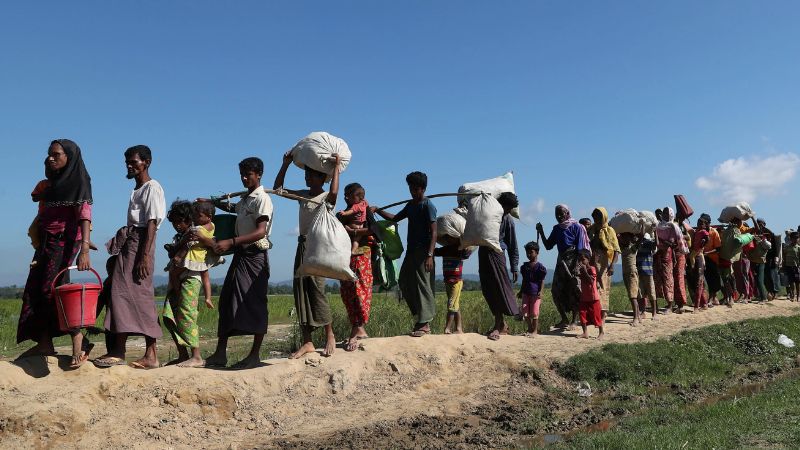
Around one million Rohingya refugees, mostly Muslim, are living in overcrowded camps in Bangladesh after fleeing a military crackdown in Myanmar’s Rakhine state in 2017. Speaking at a press briefing, Guterres emphasized the urgent need for enhanced humanitarian assistance within Myanmar to create conditions conducive to the safe and voluntary repatriation of the refugees.
“We need to intensify humanitarian aid inside Myanmar to create a condition for that return to be successful,” Guterres said. He also suggested the establishment of a “humanitarian channel” between Bangladesh and Myanmar but stressed that such an initiative would require “authorization and cooperation.”
The Role of the Arakan Army in Rohingya Repatriation
When asked about the involvement of the Arakan Army (AA), an ethnic rebel group in Myanmar, in facilitating the repatriation process, Guterres acknowledged the group’s influence. “The Arakan Army is a reality in which we live,” he stated, recognizing past challenges in engaging with the group but asserting that dialogue is necessary for progress.
Guterres noted that securing sanctions against the AA would require approval from the UN Security Council, a process fraught with diplomatic challenges. Instead, he called for increased regional pressure on all parties involved to end hostilities and pave the way for democratic governance in Myanmar.
Humanitarian Crisis Worsens as Aid Cuts Loom
Guterres’ appeal for more aid comes as the UN’s World Food Programme (WFP) announced severe funding shortfalls, which will force the organization to cut off vital food aid to one million people in conflict-ridden Myanmar. The cuts will directly affect 100,000 internally displaced people in Rakhine, including Rohingya communities who already face acute food shortages.
Last year, the UN warned of an “imminent threat of acute famine” in Rakhine, exacerbated by the ongoing conflict between the Myanmar military and the Arakan Army. The AA has gained control over large swaths of territory in the past year, effectively isolating the state capital, Sittwe, from aid networks and government control.
Bangladesh’s Role and the Call for Cross-Border Humanitarian Assistance
Human rights organization Fortify Rights has urged the Bangladesh government to facilitate cross-border trade and humanitarian aid access to Myanmar’s war-affected regions. Given Bangladesh’s strategic position and its role as a host to the Rohingya refugees, such a move could provide critical relief to civilians trapped in conflict zones.
Guterres reinforced this appeal by calling on Myanmar’s neighbors to increase diplomatic and economic pressure to ensure the cessation of hostilities and a return to stability. “It’s essential to increase pressure from all the neighbors in order to guarantee that fighting ends and the way towards democracy is finally established,” he said.
How This Humanitarian Network Boosts Crisis Response
The success of humanitarian relief efforts depends on an efficient international network that includes governments, non-governmental organizations (NGOs), and multilateral agencies like the UN. Strengthening this network can help improve aid distribution, ensure diplomatic leverage over conflicting parties, and accelerate negotiations for repatriation agreements. By fostering cooperation between Bangladesh, Myanmar, and international partners, the chances of a sustainable solution for the Rohingya crisis can be significantly boosted.
As Guterres concludes his visit, the global focus remains on securing the necessary resources to prevent further humanitarian disaster and ensure that the Rohingya community receives the support needed for a safe and dignified return to their homeland.
BOB Post