For generations, the Mro community living in the remote hills of Bandarban relied on natural springs flowing through dense forests for drinking water, farming and daily life. Today, many of those streams have slowed to a trickle or disappeared altogether, with indigenous residents pointing to an organized illegal logging network allegedly backed by influential local figures.
Community members and rights advocates say the destruction of forests is no longer driven by isolated timber thieves but by a well-established business involving local power brokers whose financial interests have accelerated deforestation across the region.
"The trade is organised and has patrons," one local source familiar with the timber trade said. "Local Headmen, Union Parishad chairmen, and community leaders have a major business interest tied to these trees."
The allegation suggests that those entrusted with protecting local communities have instead become key beneficiaries of the timber economy, allowing large-scale tree felling to continue despite its devastating environmental consequences.
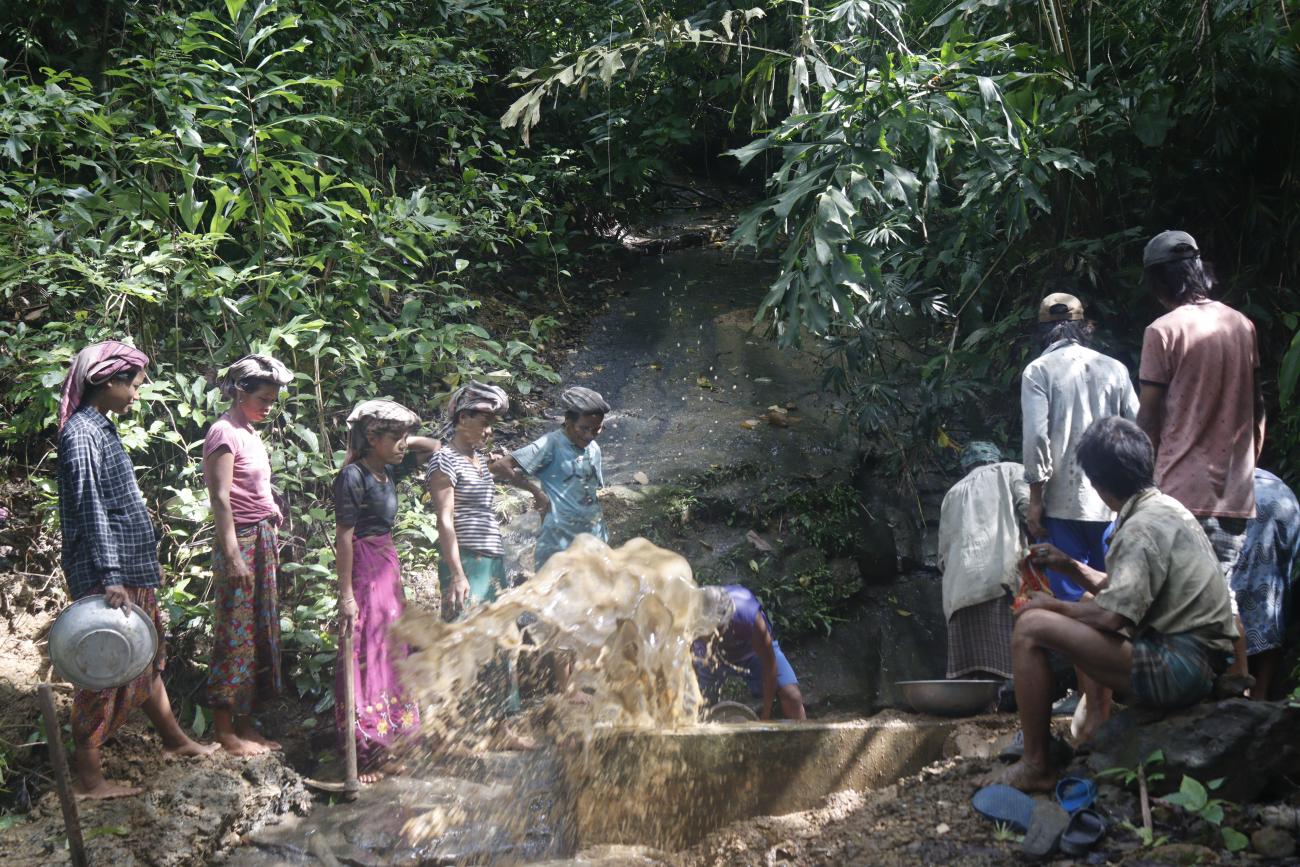
Environmental degradation has hit the Mro community particularly hard. Forests that once acted as natural water reservoirs have been stripped away, reducing the land's ability to retain rainwater and recharge mountain springs. As a result, villagers now walk long distances to collect water, while some settlements face seasonal shortages that were previously unknown.
Residents say the crisis is directly linked to the rapid disappearance of mature trees surrounding their villages. Without forest cover, streams dry up faster during the dry season, affecting household water supplies, cultivation and livestock.
The alleged involvement of influential local leaders has also complicated efforts to stop illegal logging. Community members, speaking on condition of anonymity, say challenging the timber trade has become increasingly difficult because those accused of facilitating it hold significant social and political influence.
Environmental experts warn that continued deforestation in the Chittagong Hill Tracts could trigger long-term ecological damage, including soil erosion, declining biodiversity and worsening water insecurity for indigenous communities already living in fragile environments.
Rights advocates argue that protecting the Mro people's access to water will require more than conservation measures. They say authorities must investigate the economic networks behind illegal logging, including the role of local officials and traditional leaders accused of profiting from forest destruction.
As forest loss continues, the Mro community faces a growing struggle not only to preserve its traditional way of life but also to secure one of its most basic necessities safe and reliable access to water.
BOB Post