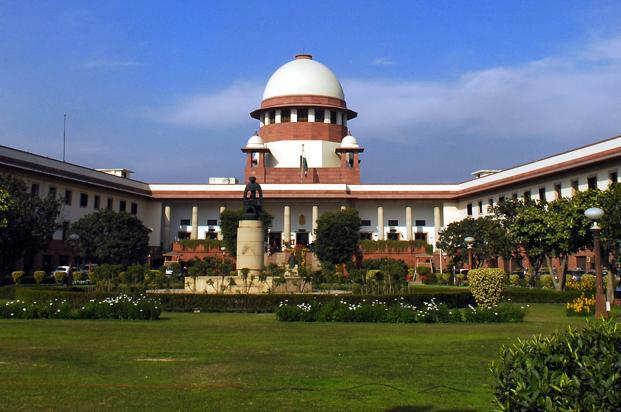
India’s Supreme Court has identified a key legal question in the ongoing Rohingya case: whether Rohingya living in the country should be treated as refugees or illegal immigrants.
A three-judge Bench headed by Chief Justice of India Surya Kant said the issue must be settled before the court considers broader questions concerning the rights, detention and possible deportation of Rohingya in India.
According to The Hindu, the court’s focus is on determining the legal status of the Rohingya, a question that could shape the outcome of petitions challenging their detention and proposed deportation.
The petitioners have argued that many Rohingya fled persecution and violence in Myanmar and should be protected from forced return. They have also invoked the principle of non-refoulement, which prevents the return of people to a country where they face a serious risk of persecution or threats to their lives and freedom.
The Indian government, however, has maintained that Rohingya who entered the country illegally cannot automatically be granted refugee status. India is not a signatory to the 1951 Refugee Convention or its 1967 Protocol.
The Centre has also argued that national security and immigration laws must be considered while determining the status of Rohingya living in India.
The Supreme Court’s decision could have significant implications for Rohingya in India, particularly those facing detention or possible deportation to Myanmar.
The case is also being closely watched because it could clarify the extent of legal protection available to refugees in India and the government’s authority to deport people it considers illegal entrants.
BOB Post