Indonesian President Prabowo Subianto is being encouraged to take a more active role in addressing Myanmar’s prolonged political crisis, with analysts and observers suggesting that Jakarta could once again leverage its regional influence to help restore stability in the conflict-ridden Southeast Asian nation.
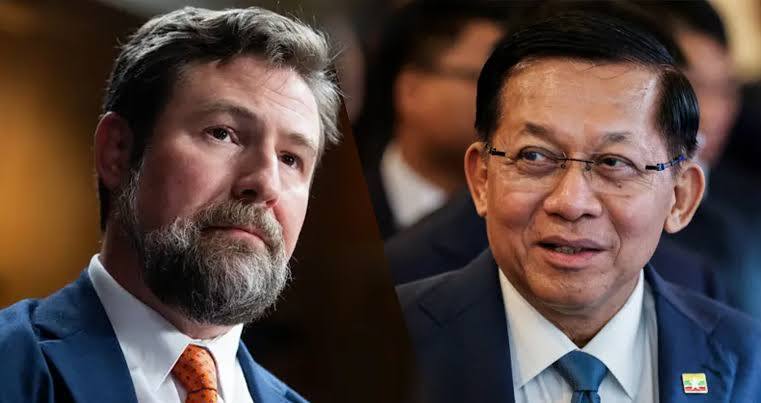
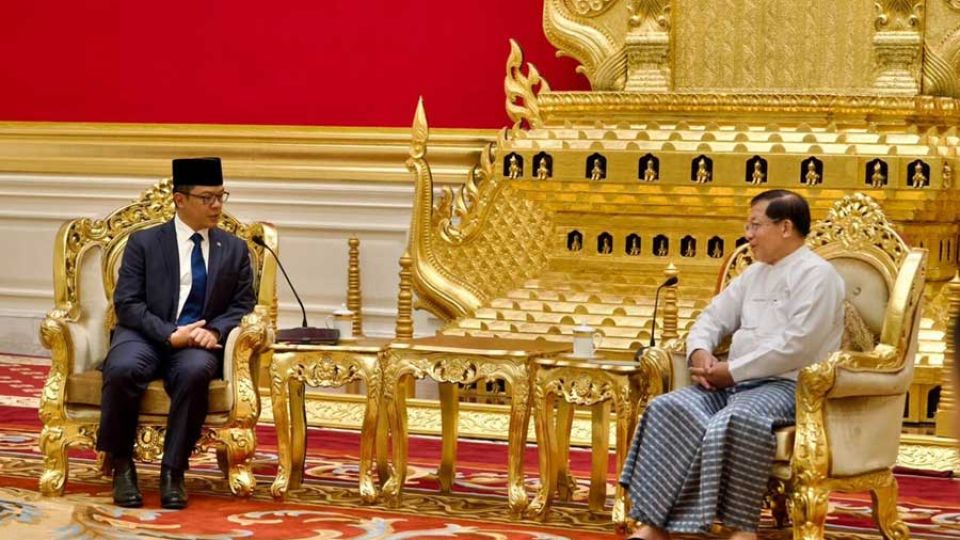
Indonesia’s recent diplomatic outreach gained momentum after Foreign Minister Sugiono met Myanmar junta chief Min Aung Hlaing on June 8, marking the first official visit by an Indonesian cabinet minister to Myanmar since the military overthrew the elected government of Aung San Suu Kyi in February 2021.
According to the Asia News Network (ANN), Indonesia is uniquely positioned to engage Myanmar’s military leadership due to President Prabowo’s background as a retired army general who later won a democratic mandate through elections. Observers argue that this combination of military credentials and democratic legitimacy could give Jakarta greater leverage in facilitating dialogue than many other regional actors.
The initiative has drawn comparisons with the diplomatic efforts of former Indonesian President Susilo Bambang Yudhoyono (SBY), who played a significant role in encouraging Myanmar’s military rulers to undertake political reforms during his presidency from 2004 to 2014. Those reforms eventually paved the way for democratic elections and Myanmar’s reintegration into regional diplomacy.
Political observers have suggested that Prabowo consult closely with SBY, or even appoint him as a special envoy on Myanmar affairs, citing his past success in building trust with Myanmar’s military leadership. During the late 2000s, SBY maintained direct communication with Myanmar’s generals while dispatching senior envoys to encourage gradual political opening.
Those efforts contributed to major political developments, including the return of opposition leader Aung San Suu Kyi to active politics and the country's hosting of the ASEAN Summit in 2014. The National League for Democracy later secured sweeping electoral victories in 2015 and 2020 before the military once again seized power in 2021.
Despite repeated calls from ASEAN for dialogue and peace under the bloc’s Five-Point Consensus, little progress has been achieved over the past five years. Many regional leaders now acknowledge that the framework has failed to deliver meaningful results as fighting between the military and resistance groups continues across Myanmar.
Analysts caution, however, that any new Indonesian initiative must be carefully coordinated with ASEAN partners. While some member states have quietly re-engaged with Myanmar’s military administration, the bloc has yet to formally recognize the legitimacy of Min Aung Hlaing’s rule.
Prabowo’s supporters argue that Indonesia has an opportunity to reclaim its traditional leadership role within ASEAN and help break the diplomatic deadlock. Yet they also stress that the mission remains highly complex, given the fragmented nature of Myanmar’s conflict and the military’s continued grip on power.
Critics view the challenge as daunting, but proponents believe Indonesia’s experience as a regional mediator and its historical ties with Myanmar’s military establishment could provide a rare opening for renewed peace efforts. Whether Jakarta can translate that opportunity into tangible progress may become one of the most significant foreign policy tests of Prabowo’s presidency.
BOB post