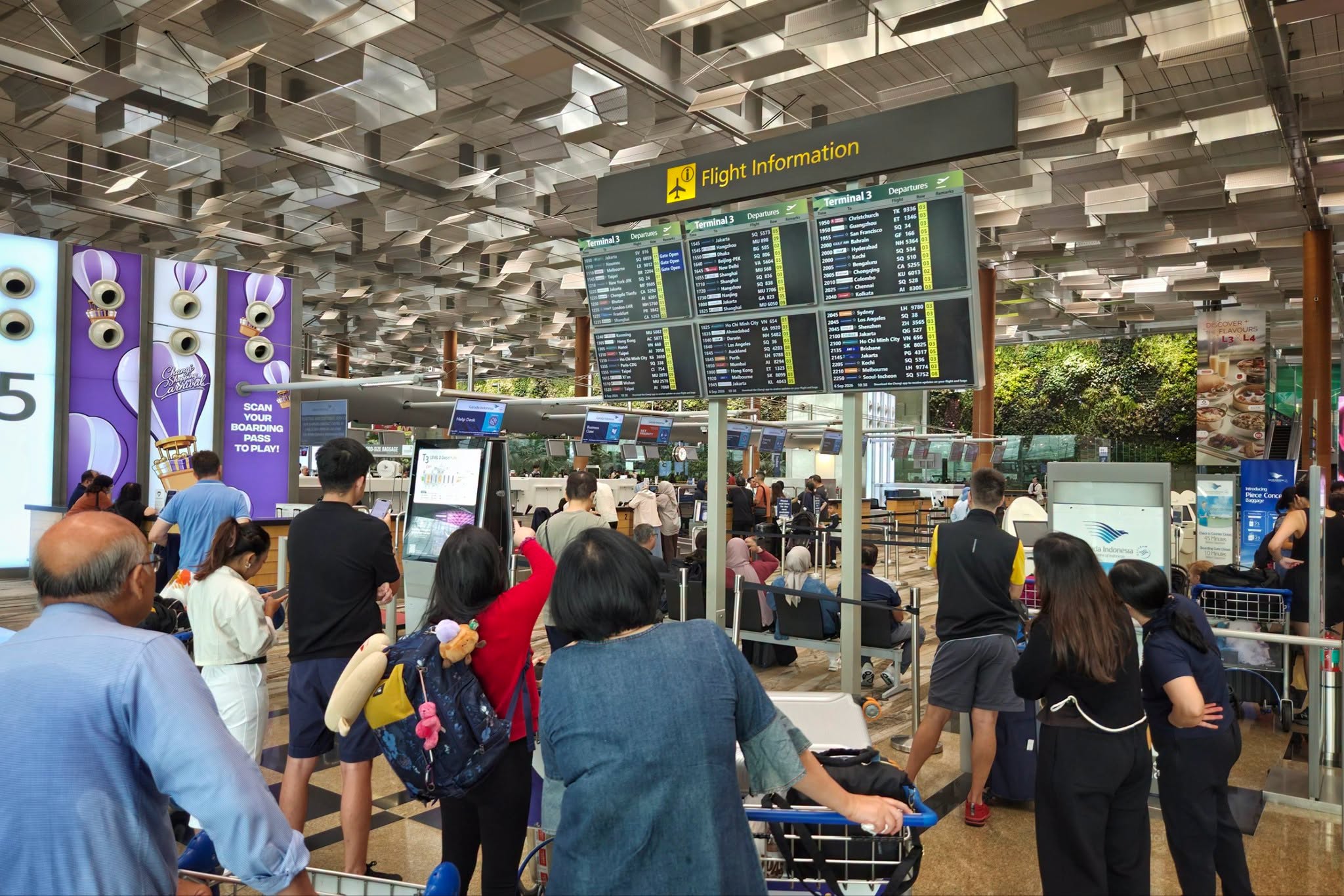
Indonesia’s aviation network faced widespread disruption on Monday as volcanic ash from Mount Anak Krakatau forced the closure of seven airports, including two serving the Jakarta region, leaving around 170,000 passengers stranded and exposing the vulnerability of the country’s busy transport system to renewed volcanic activity.
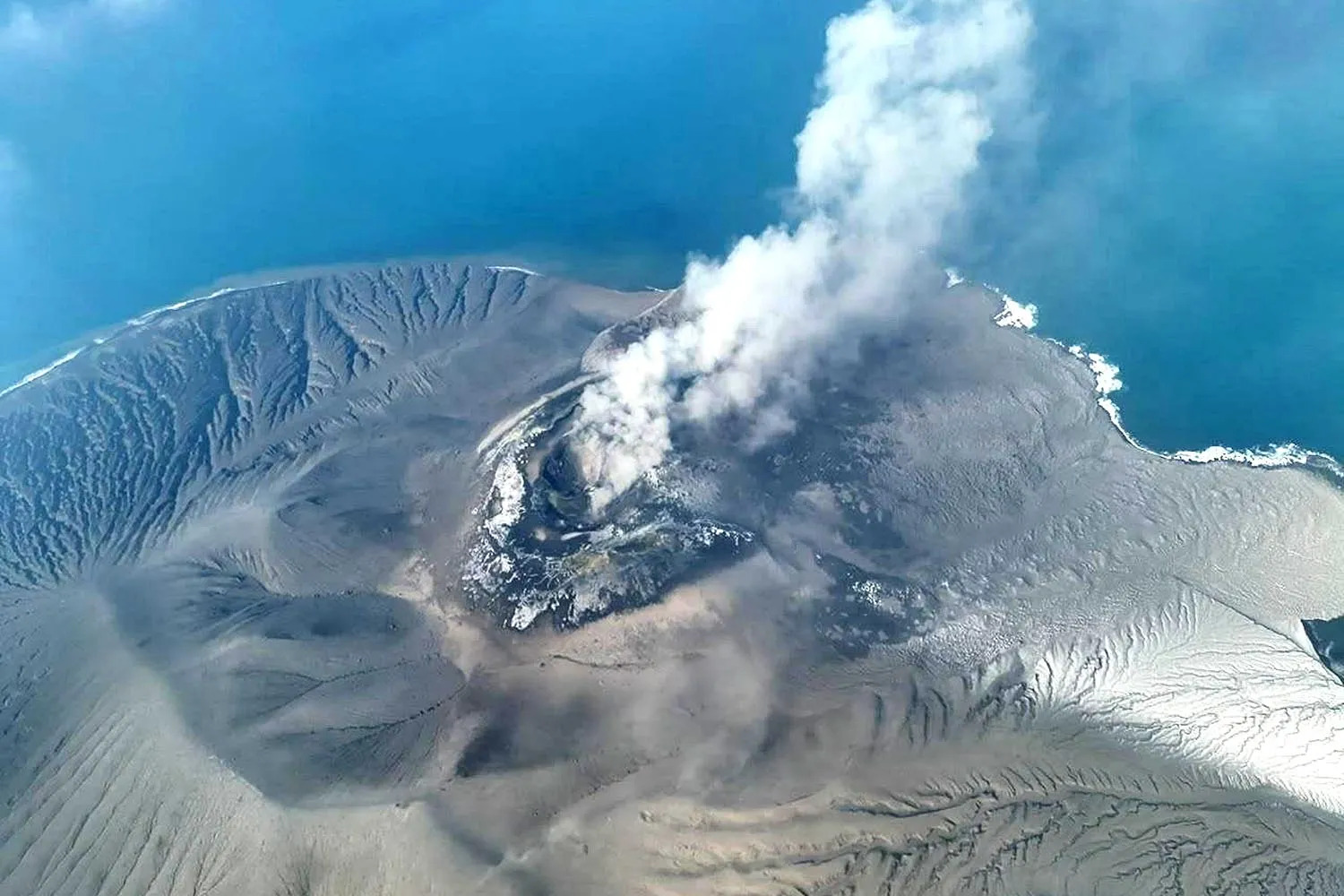
The eruption, which began late last week, sent ash across parts of Java and Sumatra. Authorities extended the suspension of operations at Jakarta’s main Soekarno-Hatta International Airport and six other airports until Monday evening, citing continuing uncertainty over weather and volcanic conditions.
Transport Minister Dudy Purwagandhi said authorities could not determine when normal operations would resume because of changing weather conditions. The Transport Ministry said 1,558 flights had been delayed at the eight affected airports, with more than 900 of those flights involving Soekarno-Hatta.
The disruption has gone beyond aviation. Schools across Jakarta shifted classes online on Monday as ash affected the capital and surrounding areas. The scale of the disruption has raised concerns about how quickly Indonesia’s densely populated urban centres can absorb the consequences of major volcanic events, particularly when a key international aviation hub is forced to shut down.
According to The Guardian, the eruption has also disrupted some shipping activity, while authorities have warned vessels to remain vigilant around the Sunda Strait. The newspaper reported that two additional eruptions were recorded on Sunday, while volcanic ash was detected in the airspace around Soekarno-Hatta airport.
Anak Krakatau sits in the Sunda Strait between Java and Sumatra and has remained intermittently active since emerging from the caldera of the catastrophic 1883 Krakatau eruption. Authorities have established an exclusion zone around the volcano and warned ships ag
ainst approaching the area.
The current crisis is also a reminder of Indonesia’s continuing exposure to volcanic hazards. The 2018 collapse of part of Anak Krakatau triggered a tsunami that killed 429 people and displaced thousands, demonstrating that the volcano’s threat extends well beyond ash and flight cancellations.
With ash clouds continuing to affect transport and daily life, the immediate challenge for Indonesian authorities is not simply restoring flights but managing a potentially prolonged disruption while protecting millions of people living and travelling across one of Southeast Asia’s most densely connected regions.
BOB Post