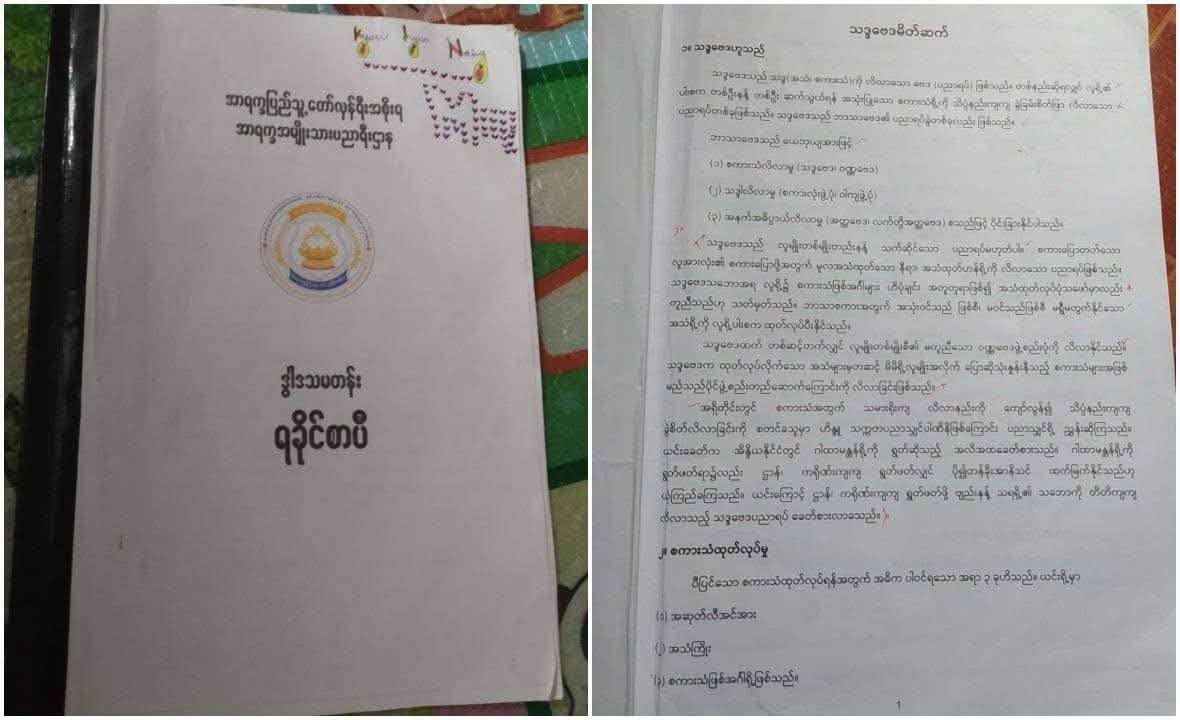
Khumi Chin community leaders and civil society groups have rejected the Arakan Army’s (AA) decision to introduce an Arakanese-language curriculum in schools in Paletwa Township, warning that the move could undermine the identity and cultural rights of the area’s predominantly Khumi population.
The controversy follows the introduction by the AA and its political wing, the United League of Arakan (ULA), of Arakanese literature and history as a compulsory Grade 12 subject. The curriculum, developed by the ULA’s Arakan National Education Department, replaces Myanmar-language instruction in the relevant subject and is being extended beyond Rakhine State into Paletwa, which remains part of Chin State.
The Global Khumi Organization (GKO) said in a September 6 statement that imposing the curriculum without the consent of local communities violates indigenous rights and could deepen ethnic divisions. It argued that education policy in Paletwa should reflect the language, history and aspirations of the communities living there, particularly the Khumi, who form a major part of the township’s population.
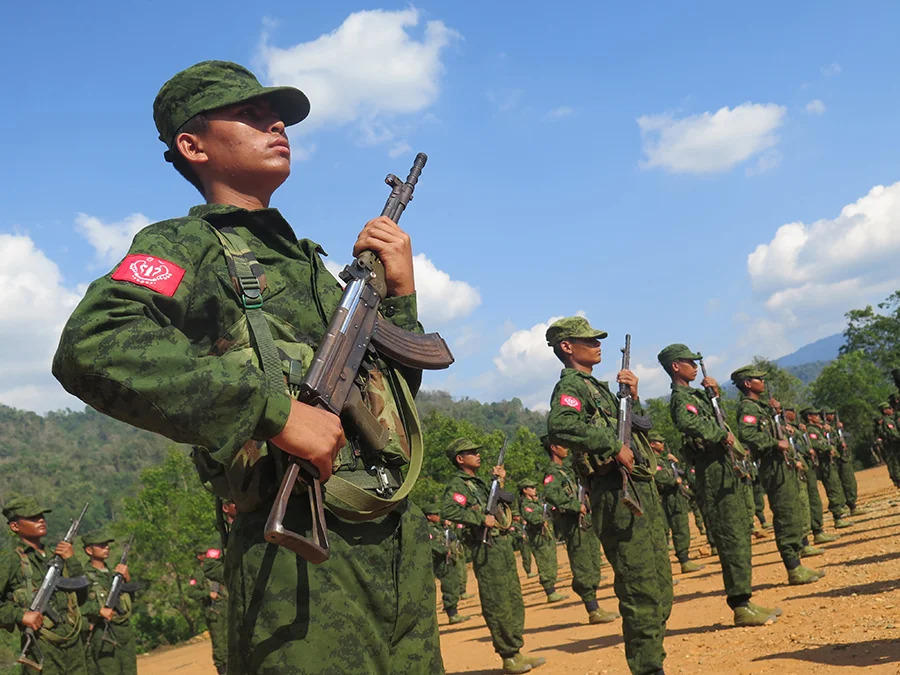
According to Burma News International (BNI), the dispute has added to longstanding concerns among Khumi communities over the AA’s expanding political and administrative influence in Paletwa. Local critics say the group’s efforts to extend its Arakan-centred administrative and cultural system into Chin territory are creating resentment and raising fears of ethnic marginalisation.
The controversy also reflects a wider concern about the AA’s growing influence across western Myanmar. While the group has emerged as the dominant armed and political force in much of Rakhine State after defeating Myanmar military positions, its policies toward ethnic minorities have drawn criticism from Khumi, Rohingya and other communities. Rights groups and minority representatives have accused the AA of using coercive methods, including alleged forced recruitment and restrictions on local communities, although the AA has denied accusations of systematic mistreatment.
For Khumi leaders, the education dispute is therefore about more than a school subject. They fear that replacing locally rooted education with an Arakan-centred curriculum could gradually weaken Khumi cultural identity and reinforce what they describe as an attempt to expand Rakhine influence into Paletwa.
Paletwa has long been a sensitive ethnic and territorial fault line. Although it has strong historical and economic links with neighbouring Rakhine areas, the township is administratively part of Chin State and is predominantly inhabited by Khumi Chin people. The AA has controlled much of Paletwa since its capture from Myanmar military forces and has increasingly incorporated the area into its own administrative system.
The GKO has called for the AA to respect the wishes of local communities and ensure that education policies are developed through consultation rather than imposed through armed authority. The dispute highlights the difficult political challenge facing western Myanmar: resistance to military rule is increasingly being accompanied by competing ethnic visions over who should govern territory, shape education and define local identity.
BOB Post