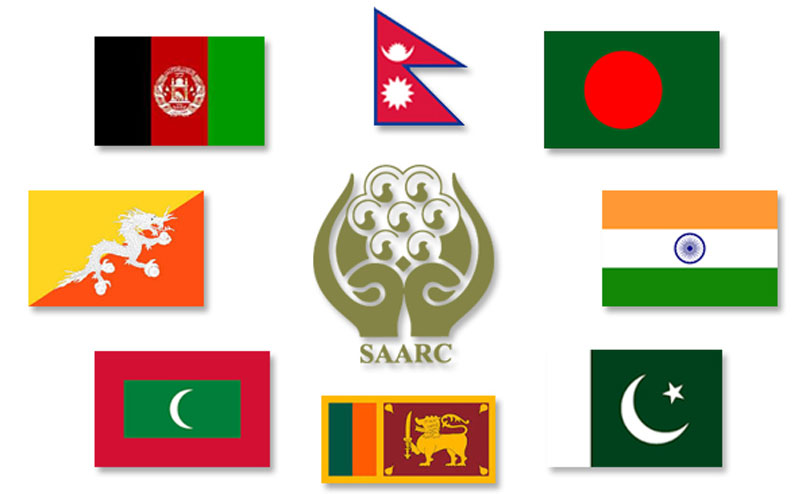
The Maldives’ call to revive the South Asian Association for Regional Cooperation (SAARC) is unlikely to gain momentum soon as long-standing tensions between India and Pakistan continue to block the regional grouping, analysts say.
Maldivian President Mohamed Muizzu on July 26 said his country was ready to help restart SAARC meetings, arguing that the organisation could play an important role in promoting peace, stability and regional cooperation.
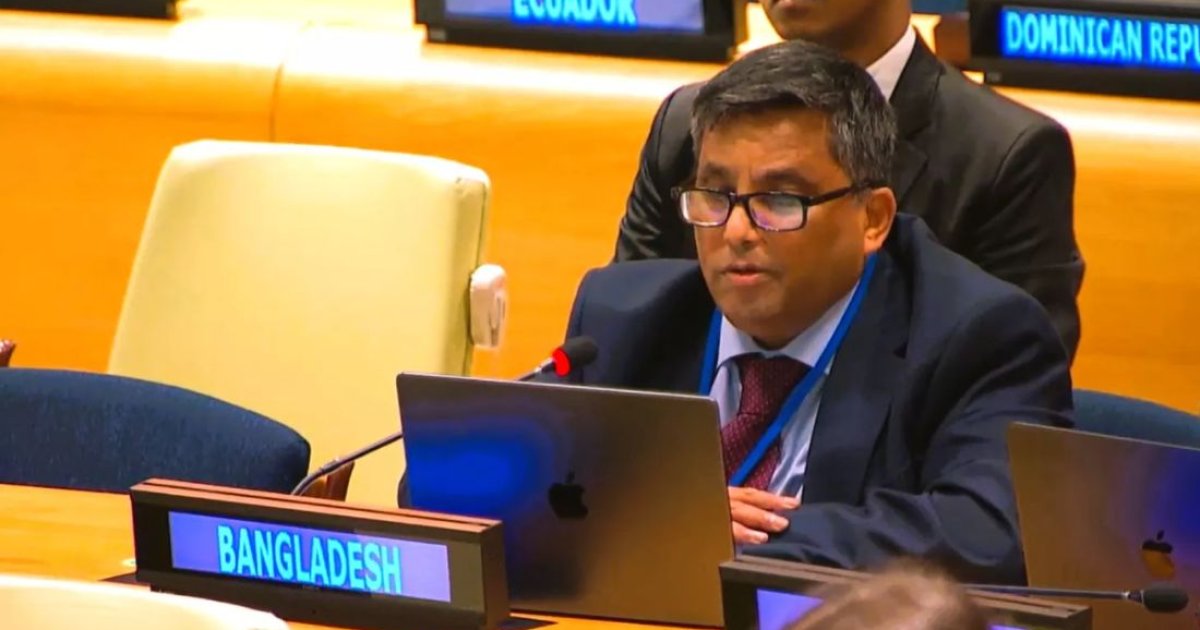
Bangladesh has also made SAARC’s revival a foreign policy priority under Prime Minister Tarique Rahman, saying stronger regional cooperation could expand trade, connectivity and joint efforts to address common challenges.
However, the biggest hurdle remains the strained relationship between India and Pakistan. According to the South China Morning Post, analysts say New Delhi currently has little political incentive to re-engage with Islamabad, particularly amid continuing security concerns.
SAARC has been effectively inactive since its last summit in Kathmandu in 2014. A planned summit in Pakistan in 2016 was cancelled after India and several other members withdrew following a deadly attack in Uri, Jammu and Kashmir, which India blamed on Pakistan.
India has since increasingly focused on regional initiatives that exclude Pakistan, including BIMSTEC, the BBIN framework and the Colombo Security Conclave.
Analysts say SAARC could only regain momentum if India-Pakistan relations improve significantly. Smaller South Asian countries, including Nepal, Sri Lanka, Bhutan and the Maldives, have repeatedly supported the bloc’s revival, viewing it as a platform for greater regional trade, connectivity and cooperation.
The prolonged paralysis, experts argue, highlights the difficulty of building effective regional institutions in South Asia while bilateral rivalries continue to dominate the region’s politics.
BOB post