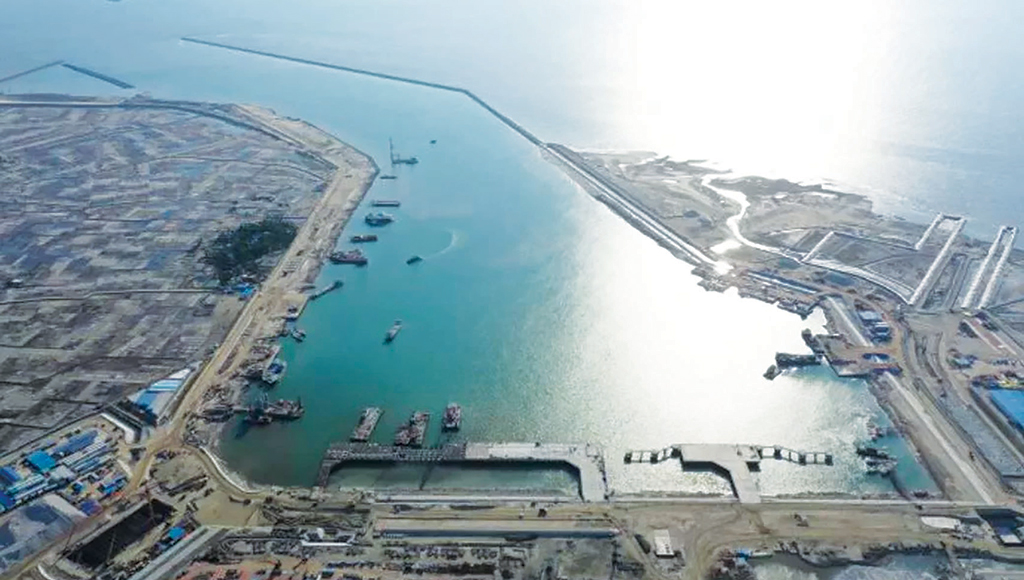
Bangladesh and Myanmar are exploring an alternative maritime route through Matarbari to revive cross-border trade that has remained suspended amid worsening security conditions along the two countries’ frontier.
The proposal comes as large parts of Myanmar’s Rakhine State remain under the control of the Arakan Army (AA), including an estimated 270-kilometre stretch of territory along the Bangladesh border and the Myanmar side of the Naf River. The security situation has effectively disrupted the traditional Maungdaw-Teknaf trade route.
According to people familiar with Myanmar’s transport sector, commercial vessels that previously travelled from Yangon and Sittwe to Maungdaw can no longer operate normally because of the lack of security around the border trade checkpoint. As a result, the movement of goods through Teknaf has largely come to a standstill.
With the traditional route blocked, officials have reportedly been examining whether Matarbari in Cox’s Bazar could serve as an alternative entry and exit point for bilateral maritime trade. The proposed route would allow cargo vessels to bypass the troubled Naf River corridor and connect Myanmar more directly with Bangladesh’s southeastern coast.
Matarbari, located west of Teknaf, is being developed as a major deep-sea port and commercial centre with Japanese support. Its emerging port infrastructure could potentially provide a larger maritime gateway for trade between the two countries if the necessary arrangements are made.
According to NP News, discussions over restoring Bangladesh-Myanmar trade have gained importance as both sides seek practical alternatives to the disrupted border route. A gradual reopening, beginning with limited volumes of trade, could be considered before expanding commercial activity, the report said.
The traditional Teknaf route has been an important export channel for Myanmar, carrying commodities such as ginger, turmeric, onions, dried anchovies and freshwater fish including rohu and tilapia. A range of consumer goods also moves through the route, including the popular Kaung Mha Kaung plum products, which have a strong market in Bangladesh.
Unlike several other Myanmar border crossings where imports dominate, the Maungdaw-Teknaf route has historically generated comparatively higher export earnings for Myanmar. Its restoration could therefore provide an important source of revenue for traders and businesses on the Myanmar side.
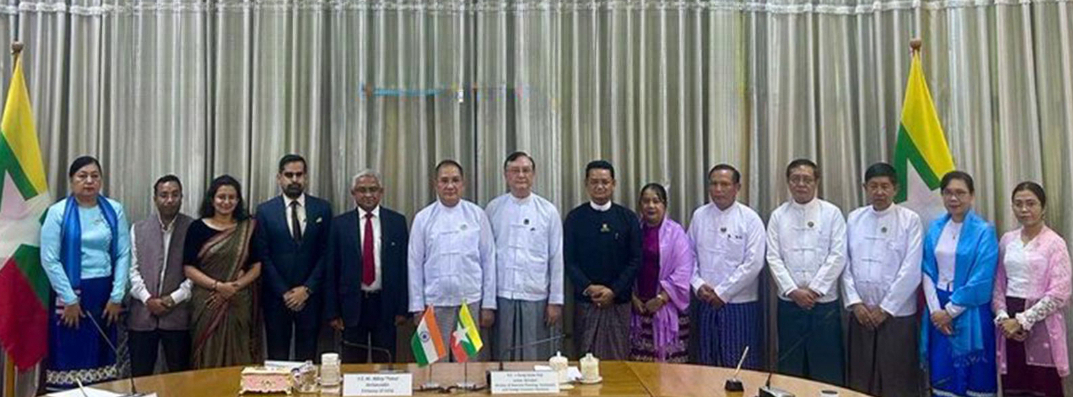
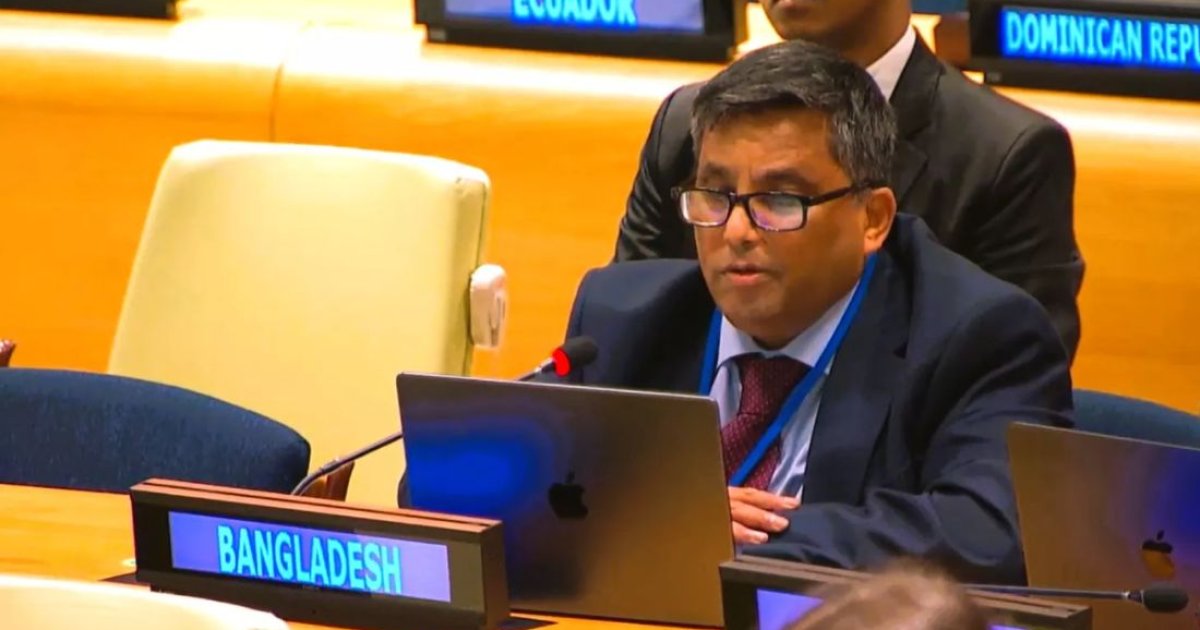
The issue has also received attention at the diplomatic level. According to a Bangladesh Ministry of Commerce and Industry statement, Myanmar Ambassador to Bangladesh U Kyaw Soe Moe recently discussed the possibility of restoring border trade with Commerce and Industry Minister Khandaker Abdul Muktadir. The two sides reportedly discussed the economic benefits of reopening trade and the possibility of initially limiting the volume before gradually expanding it.
Energy cooperation could also return to the bilateral agenda. A separate statement from Bangladesh’s Ministry of Power, Energy and Mineral Resources indicated that Dhaka is interested in revisiting an earlier proposal for a gas pipeline connecting Myanmar with Chattogram.
Any revival of trade, however, will depend heavily on security conditions in western Myanmar and the ability of both countries to establish a workable mechanism for cargo movement. With the Naf River route effectively paralysed, Matarbari could emerge as a potential alternative but its use would require political agreement, port arrangements and a reliable security framework on both sides.
BOB Post