India's winter session of Parliament is at risk of significant disruption as major opposition parties contemplate a boycott in response to the suspension of 92 MPs. The suspension, a consequence of protests on December 13, 2023, demanding a statement from Home Minister Amit Shah regarding a security breach in Parliament, has prompted accusations of undemocratic practices. Opposition leaders argue that the ruling Bharatiya Janata Party (BJP) is leveraging its majority to stifle dissent and suppress their voices.
The potential boycott is a direct response to the suspension of 78 opposition MPs from both the Lok Sabha and Rajya Sabha for five parliamentary sessions. Opposition parties demand the revocation of these suspensions and a fair discussion on the security breach before they resume participation in Parliament. Accusations of undemocratic processes and attempts to suppress dissent further fuel tensions.
If the boycott materializes, it could stall crucial legislation awaiting parliamentary approval, including bills related to the economy, social welfare, and national security. Additionally, the boycott may deepen existing political polarization in India and attract international attention to the country's democratic functioning. As of December 19, 2023, opposition parties are in a meeting to finalize their decision on the boycott, with some advocating strongly for it and others considering continued participation with renewed protests.
The government contends that the suspensions are necessary to uphold the dignity of Parliament and prevent disruptions. However, they have not offered concessions to the opposition's demands. The final outcome of this standoff remains uncertain, and the next few days will be critical in determining whether the winter session of Parliament continues or faces paralysis due to the opposition boycott.
This potential boycott occurs amid heightened political tensions in India, with the government facing criticism for its handling of issues like inflation, unemployment, and agricultural distress. The opposition accuses the ruling party of eroding democratic principles and suppressing dissent. While opposition boycotts have happened before, the scale of this potential mass boycott is unprecedented and could have significant repercussions for Indian democracy.
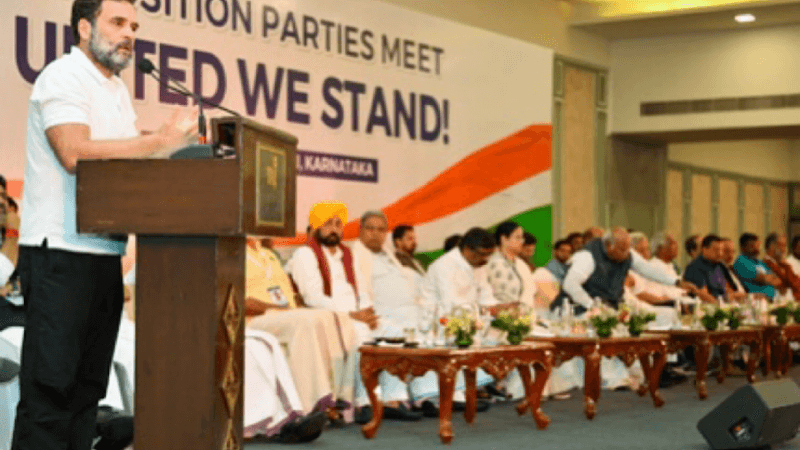
The INDIA bloc parties, representing the Opposition, are considering the boycott, describing the suspension of their MPs as "an apex of dictatorship" and equating it with the "suspension of parliamentary democracy" in the country. A final decision on the boycott is expected during the INDIA bloc’s meeting on Tuesday.
The INDIA parties are scheduled to hold their fourth meeting to discuss seat-sharing arrangements for the upcoming general elections. The meeting aims to strategize and collaborate among Opposition leaders to defeat the BJP-led National Democratic Alliance (NDA).
BOB Post