
Myanmar's government has approved a sweeping new law that introduces the death penalty for the most serious online scam-related crimes, marking its first major piece of legislation since President Min Aung Hlaing assumed office earlier this year.
The new Anti-Online Scam Law, passed by Myanmar's parliament on Tuesday, aims to curb the country's sprawling cyber fraud industry, which has drawn international condemnation for operating large-scale scam compounds that target victims worldwide through romance, investment and cryptocurrency fraud schemes.
The legislation prescribes the death penalty for offences in which victims die as a result of online scam operations. It also allows capital punishment for those responsible for torture, unlawful detention, violence or other brutal acts used to force individuals into conducting online scams. According to France 24, the law also provides life imprisonment for operators of online scam centres and those convicted of major cryptocurrency-related fraud.
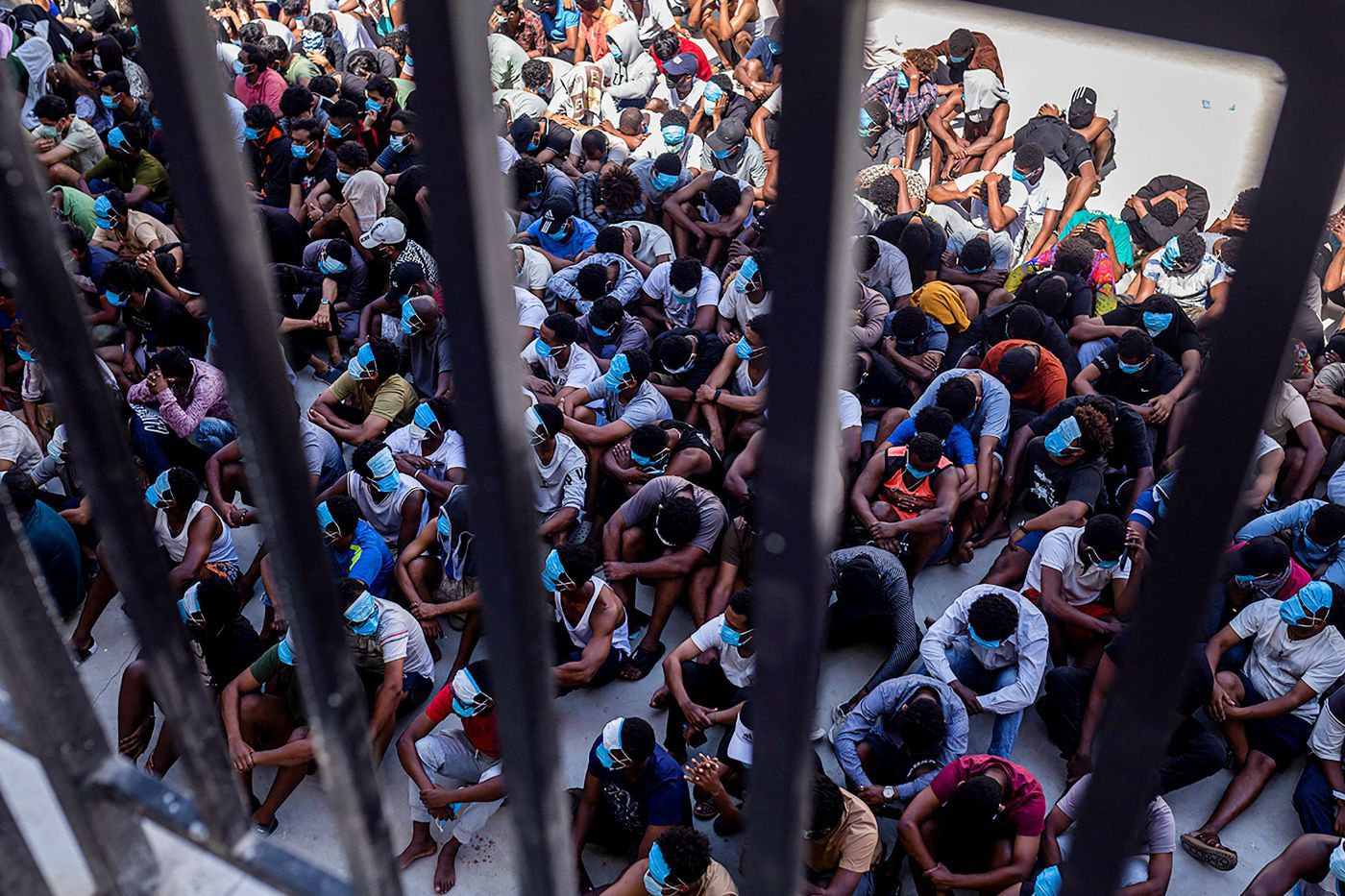
Myanmar's parliament speaker Aung Lin Dwe announced the bill's approval during a live parliamentary session. Lawmaker Aye Chan said the final version of the legislation remained largely unchanged from the draft released in May, retaining its toughest provisions.
Cyber scam compounds have proliferated across conflict-affected parts of Myanmar, becoming a key hub in Southeast Asia's multi-billion-dollar online fraud industry. While many workers are recruited voluntarily, numerous foreign nationals rescued from scam centres have reported being trafficked, tortured and forced to carry out fraudulent activities.
The legislation comes amid growing international pressure on Myanmar from countries including China and the United States, both of which have urged stronger action against transnational scam networks operating along Myanmar's borders. Despite a series of raids and arrests over the past year, independent observers say many criminal syndicates have simply relocated to neighbouring areas rather than dismantling their operations.
The law is the first to be enacted under Myanmar's new government led by Min Aung Hlaing, who became civilian president following the country's tightly controlled elections in April. The elections were widely rejected by Western governments and democracy advocates, who argued they excluded meaningful opposition participation, including detained former leader Aung San Suu Kyi and her party.
The move also marks a notable shift in Myanmar's approach to capital punishment. Shortly after taking office as civilian president, Min Aung Hlaing commuted all existing death sentences through a blanket order. However, the new legislation restores the possibility of executions for specific cybercrime-related offences, even as rights groups continue to criticize Myanmar's use of the death penalty following the 2021 military takeover.
According to the United Nations, more than 130 people had been sentenced to death in Myanmar by 2022 after the military resumed executions against anti-coup activists. Meanwhile, China, which has reported more than US$5 billion in scam-related financial losses over the past two years, has executed at least 15 people this year for fraud offences linked to scam compounds operating in Myanmar.
BOB Post