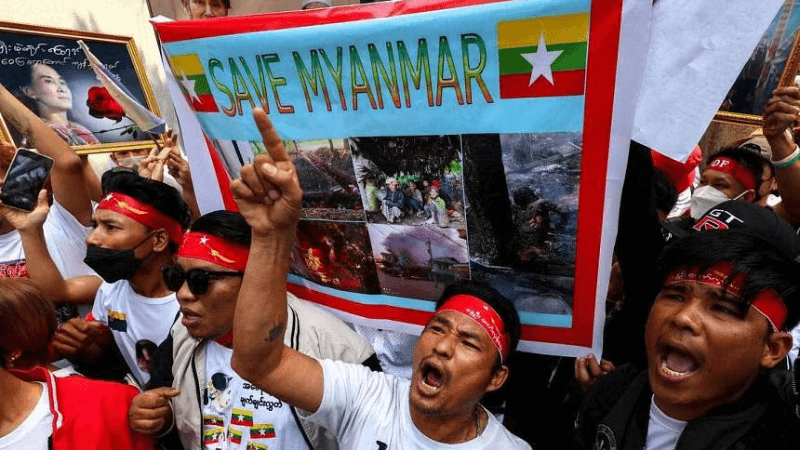
When the UN Security Council passed a resolution on Myanmar last December addressing the ongoing crisis, three nations, India, China, and Russia, chose to abstain, revealing a clash of regional realities and perceptions. Despite their differing geopolitical stances, India and China, both sharing borders and challenges with Myanmar, joined Russia in abstaining from the resolution, showcasing the influence of national interests and geopolitical priorities on their decisions.
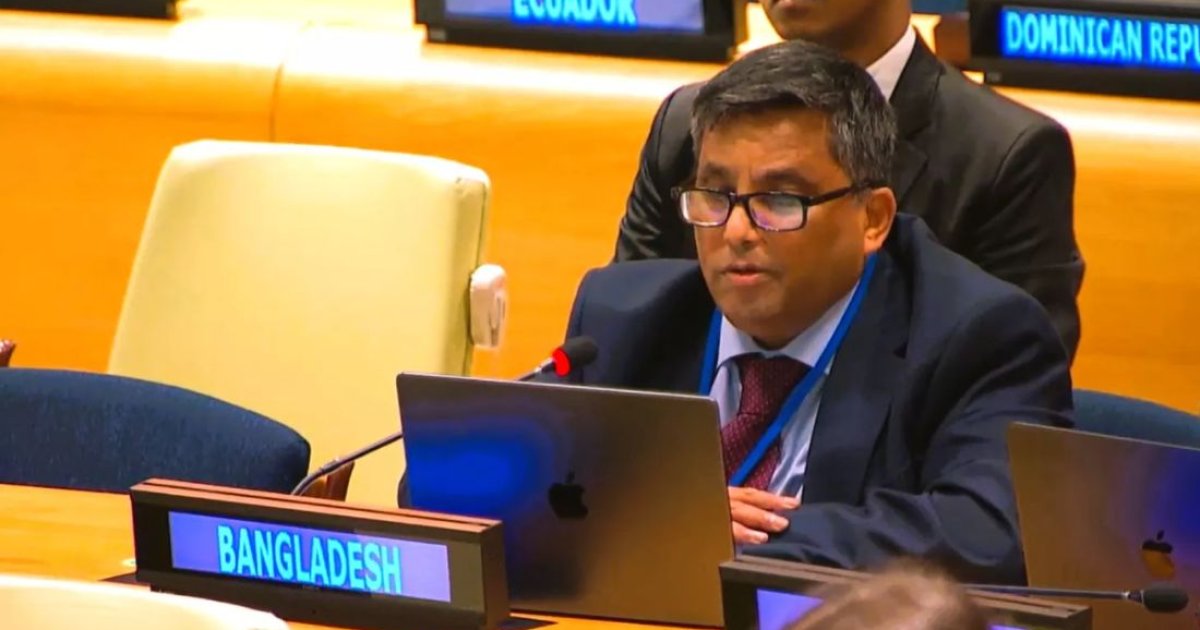
The resolution called for an end to violence, de-escalation of tensions, the release of political prisoners, including President Win Myint and State Counsellor Aung San Suu Kyi, dialogue, reconciliation, respect for human rights, and the restoration of democracy. India, as a member of the Security Council at that time, explained its abstention through Permanent Representative Ruchira Kamboj, who emphasized the need for a patient and diplomatic approach to Myanmar's complex situation. Notably, the Security Council leaned towards supporting the efforts of the ASEAN, a 10-member group to which Myanmar belongs, delegating the resolution of the crisis to the regional organization.
This marked the first resolution adopted by the Security Council on Myanmar in six years since the Rohingya crisis began, as the threat of vetoes by China and Russia had hindered previous condemnations. In contrast, the General Assembly demonstrated a stronger stance, passing a resolution a week earlier that strongly condemned human rights violations against Rohingya Muslims and other minorities.
The Assembly's resolution, with 30 clauses, provided detailed insights into Myanmar's situation, marking the third such resolution since 2020. However, unlike the Security Council, the General Assembly lacks enforcement powers. It has taken limited concrete actions, such as requesting reports from Secretary-General Antonio Guterres and encouraging the work of the Special Envoy for Myanmar. Notably, the post of the Special Envoy has been vacant since June, reflecting the constraints faced by the UN.
In August, under the US presidency, the Security Council issued a joint statement condemning the killing of civilians and air strikes, advocating for the rights of the Rohingyas and the conditions for their voluntary return. However, lacking the power of a resolution and facing dissension from China and Russia, the statement cannot compel the junta to follow its directives.
The Myanmar crisis began newly in 2017 with a attack by the Arakan Rohingya Salvation Army (ARSA), triggering a disproportionate counteroffensive by the Myanmar military, leading to widespread human rights abuses. The subsequent coup in February 2021 further exacerbated the situation. While the UN has not recognized the military junta, humanitarian assistance and relief efforts led by the UN Refugee Agency (UNHCR) and Unicef continue, with the UNHCR allocating $275 million for Rohingya relief in Bangladesh this year.
Despite its limitations in taking political action, the UN remains committed to providing humanitarian aid amid the ongoing crisis in Myanmar.
BOB Post