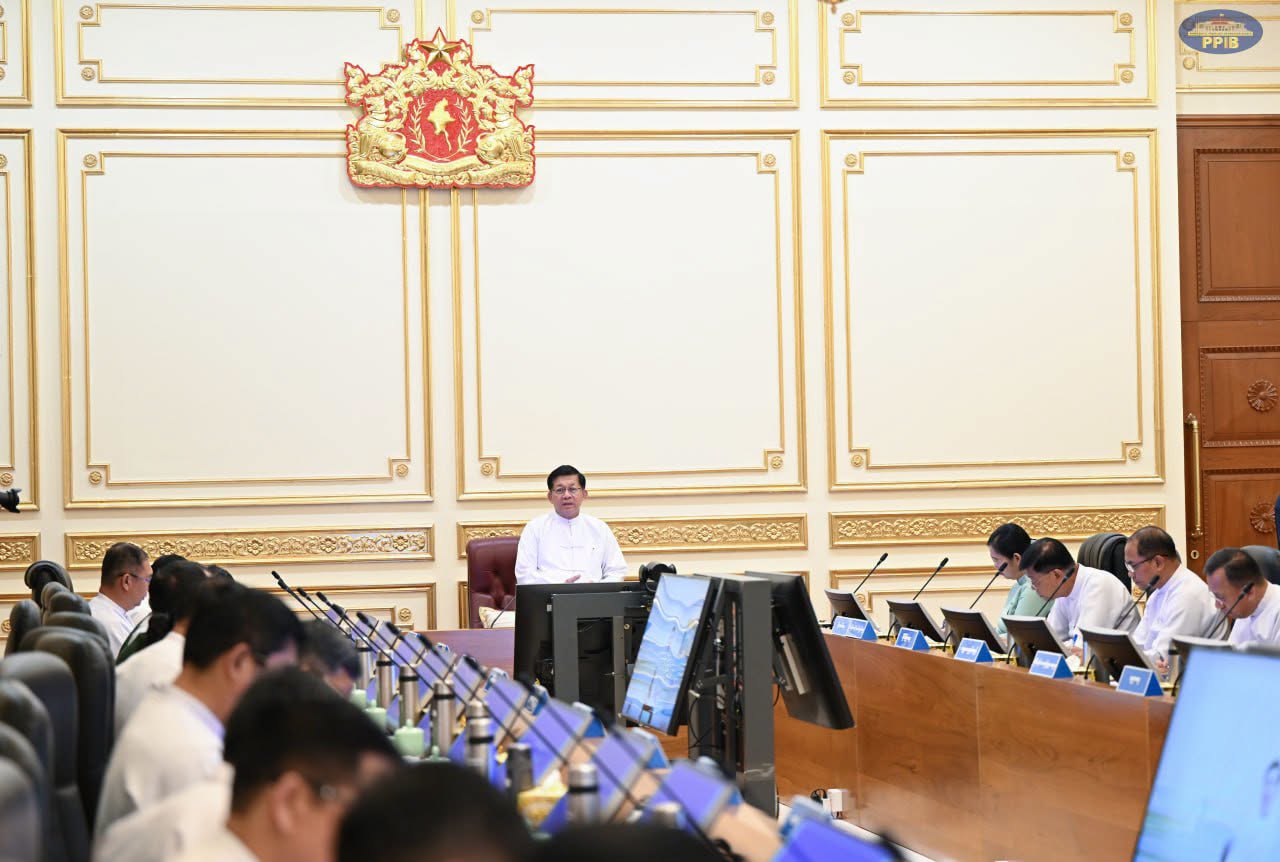
Myanmar's military-led government announced on Wednesday a nominal transfer of power to a civilian-led interim administration ahead of a general election planned for December. However, critics say the move is largely symbolic, as junta chief Min Aung Hlaing remains in firm control of the country in his dual role as acting president and commander-in-chief of the armed forces.
A statement broadcast on state media confirmed the dissolution of the 2021 decree that granted sweeping powers to the military following its coup against Aung San Suu Kyi’s elected civilian government. In its place, a caretaker administration and a special commission to oversee the election have been established.

Despite the apparent transition, the fundamental power structure remains unchanged. “This upcoming six months are the time to prepare and host the election,” said junta spokesperson Zaw Min Tun, adding that the state of emergency—renewed seven times since the coup—was lifted as part of the shift.
Myanmar has been mired in chaos and civil war since the February 2021 coup, with widespread resistance from ethnic armed groups and newly formed militias. The military has been accused of mass atrocities and human rights violations—claims it continues to deny.
Western governments have dismissed the planned December election as a sham, warning that it will be used to entrench military rule under a civilian guise. Opposition parties are expected to be sidelined, banned, or boycott the process altogether.
“This is a purely cosmetic change,” said independent Myanmar analyst David Mathieson. “They are just rearranging the same pieces and calling the regime a new name. Nothing substantial is changing.”
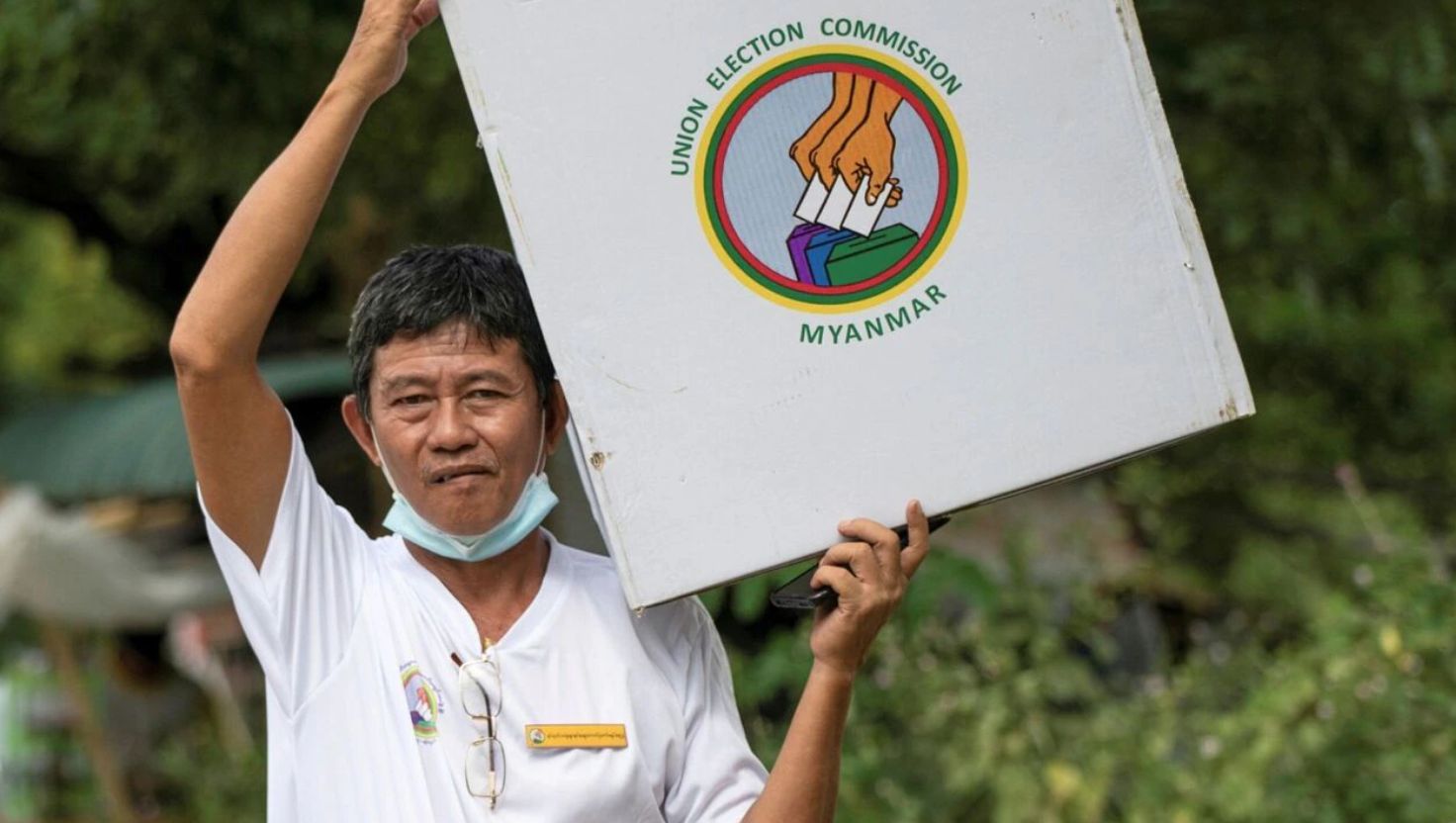
The viability of holding an election remains in question. The junta’s attempt to conduct a nationwide census last year—a key step in preparing voter lists—was only successful in 145 of the country's 330 townships, highlighting the military’s limited control outside major urban centers.
Resistance forces, including long-standing ethnic minority armies and newly mobilized insurgents, have seized significant territory, especially along Myanmar’s volatile border regions.
China, one of the junta’s few remaining international allies, offered its support for Myanmar’s “peace and reconciliation” efforts. “China supports Myanmar's development path in line with its national conditions,” said Foreign Ministry spokesperson Guo Jiakun.
According to Amnesty International, the military has killed over 6,000 people and detained more than 20,000 since the coup. The rights group also reported a resurgence of judicial executions and said over 3.5 million people are currently displaced across the country.
BOB Post