An ordnance scrap recovered in northern Shan State, which Amnesty International has identified as a cluster munitions dispenser, consistent with the remnants of previous cluster munitions used in attacks by the Myanmar military, /Amnesty International
Amnesty International has released a damning report accusing Myanmar's military of widespread war crimes, including extrajudicial killings, torture, arbitrary arrests, and forced displacement. The report, titled "Nowhere to Hide: War Crimes and Crimes Against Humanity in Myanmar," paints a grim picture of the ongoing humanitarian crisis in the country.
According to the human rights group, the military, in response to a major offensive launched by ethnic armed groups in late October, engaged in indiscriminate attacks on civilian targets and deployed banned cluster munitions. The Brotherhood Alliance, consisting of the Arakan Army, the Myanmar National Democratic Alliance Army, and the Ta’ang National Liberation Army, initiated coordinated attacks on junta outposts and positions in northern Shan State, escalating into the most significant military challenge faced by the junta since the 2021 coup.
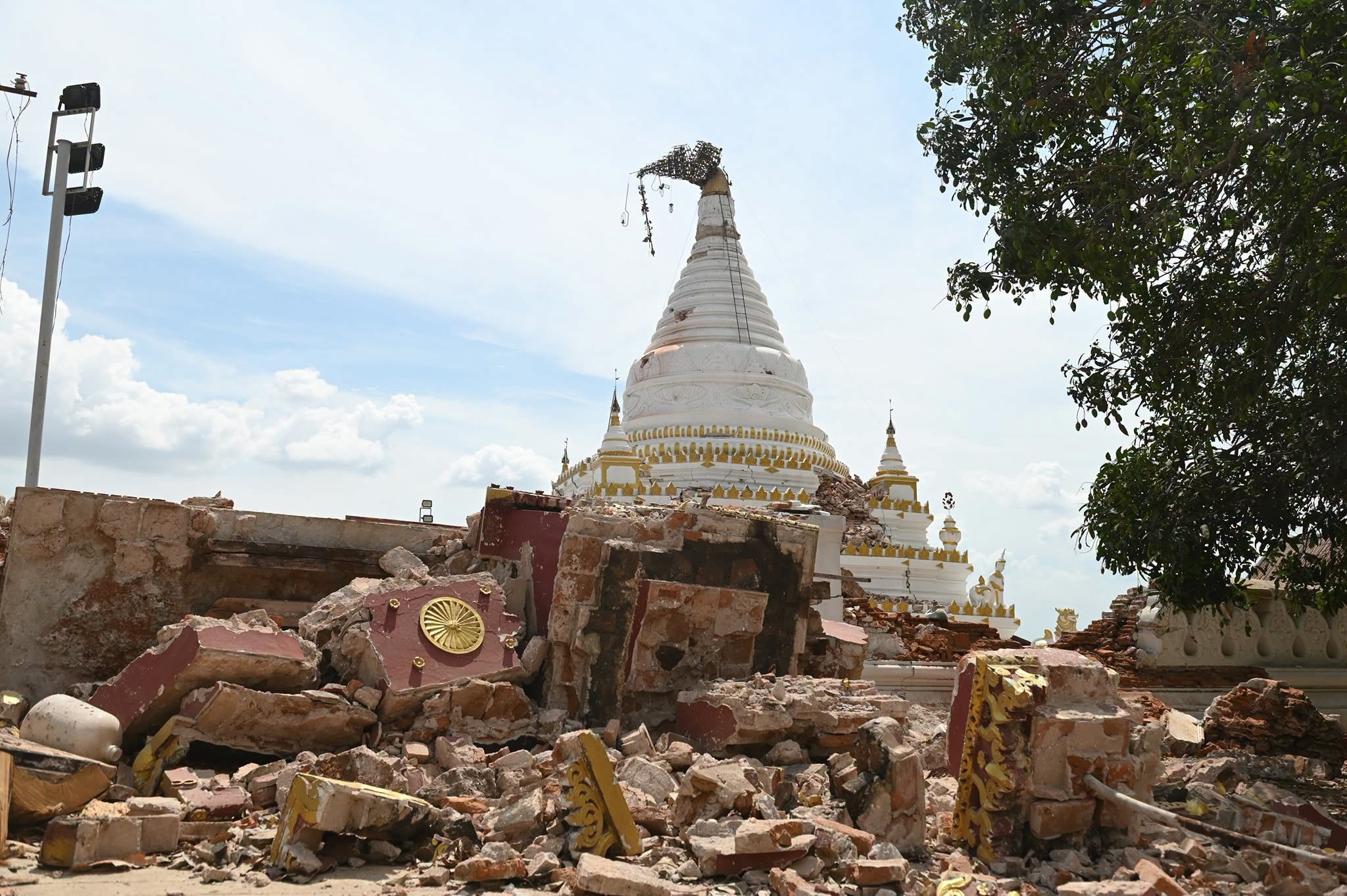
Amnesty International alleges that the Myanmar military likely used cluster munitions in an airstrike on Namkham Town in early December, a move deemed a war crime under international law due to the inherent indiscriminate nature of such weapons. The report is supported by the analysis of ordnance scrap recovered at the scene, identifying the remains of a cluster munitions dispenser. The military's alleged use of cluster munitions is not an isolated incident. Amnesty International previously documented similar unlawful deployments in attacks on a community gathering in Mindat Township in Chin State, a village in Demoso Township in Kayah State, and during fighting in Karenni (Kayah) State.
The report also highlights likely indiscriminate attacks against civilians in Rakhine State, based on interviews with residents from Pauktaw Township, as well as the analysis of photographs, video material, and satellite imagery. The junta reportedly increased attacks on civilians in response to the escalation of hostilities, leading to numerous casualties and the displacement of hundreds of thousands of people.
In one instance, junta helicopters and ships fired into Pauktaw Town on November 16, resulting in the deaths of three women, including two teachers and a pregnant vendor, who were hiding inside the Lawka Hteik Pan compound. A 76-year-old monk was also reported killed in the same compound on the same day, under circumstances indicating a strike rather than gunfire. As of December 15, the United Nations reported that the violence since October 27 had claimed at least 378 civilian lives, injured 505, and displaced more than 660,000 people, exacerbating the already dire situation for the nearly 2 million internally displaced persons across Myanmar.
Amnesty International's report calls for urgent action, urging the United Nations Security Council to impose an arms embargo to protect civilians from further harm. Matt Wells, Director of Amnesty International’s Crisis Response Program, emphasized the need to end the military's impunity and reiterated the call to refer the situation in Myanmar to the International Criminal Court for justice.
Despite growing international pressure and condemnation, Myanmar's military junta has shown no signs of backing down, denying accusations of war crimes and placing blame on ethnic armed groups for the country's instability.
BOB Post