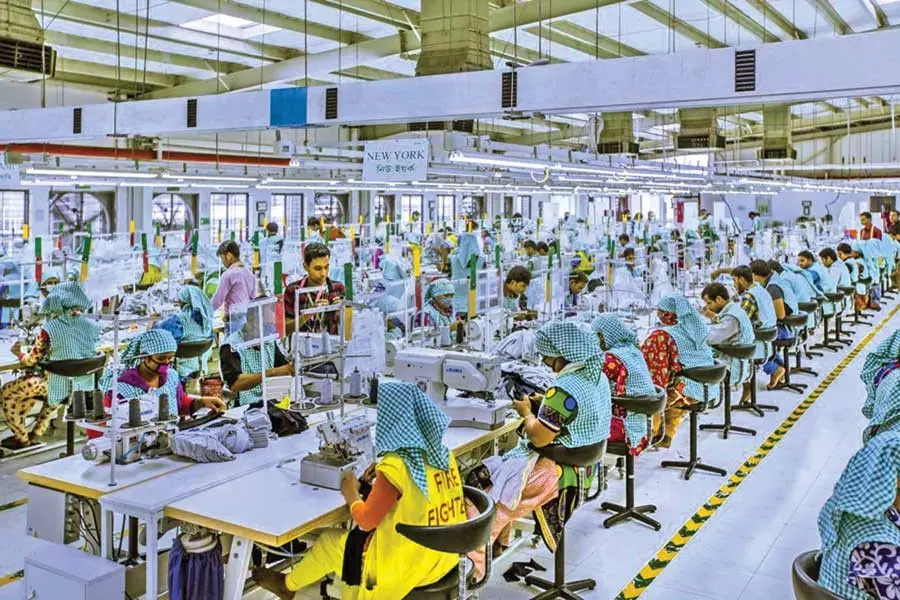
South Korean companies see strong investment opportunities in modernising Bangladesh's ready-made garment (RMG) industry, particularly in man-made fibres (MMF), functional textiles, automated manufacturing and garment accessories, as the country seeks to move up the global apparel value chain.
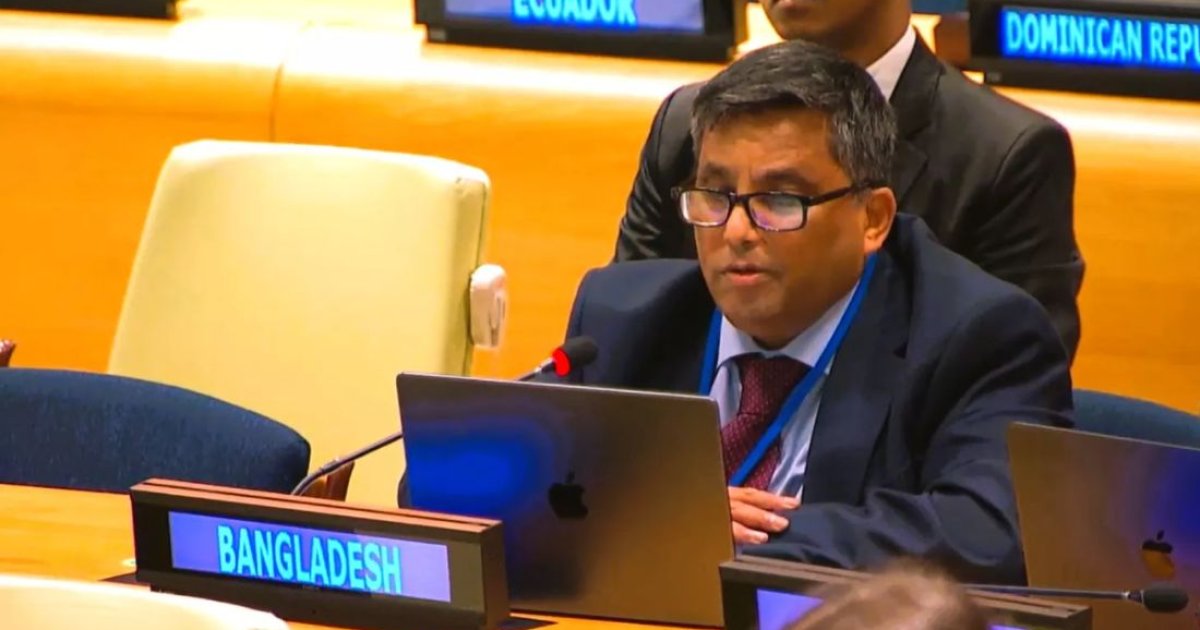
According to Bangladesh Sangbad Sangstha (BSS), Deputy Director of the Korea Trade-Investment Promotion Agency (KOTRA) in Dhaka, Lee Sung-hoon (Daniel Lee), said Korea's expertise in man-made fibres, technical textiles and industrial automation aligns closely with Bangladesh's goal of transforming its garment sector into a higher-value manufacturing hub.
Lee noted that while the RMG sector accounts for around 84 percent of Bangladesh's exports and about 10 percent of GDP, it remains heavily dependent on natural fibres, leaving significant room for greater value addition through the use of MMF, functional fabrics and advanced production technologies.
He said Korean companies are also interested in supporting Bangladeshi manufacturers in meeting emerging environmental and regulatory standards, including the European Union's Digital Product Passport (DPP) requirements, alongside improving energy efficiency and factory automation.
Beyond the garment sector, Lee identified pharmaceuticals, biotechnology, consumer goods, infrastructure, ICT and renewable energy as promising areas for Korean investment. He added that the recently concluded negotiations on the Korea-Bangladesh Comprehensive Economic Partnership Agreement (CEPA) could further strengthen bilateral trade, investment and technology cooperation.
While describing Bangladesh as an attractive investment destination with a young workforce and a competitive manufacturing base, Lee said continued reforms in regulatory consistency, infrastructure, profit repatriation and policy predictability would help attract greater Korean investment in the coming years.
BOB Post