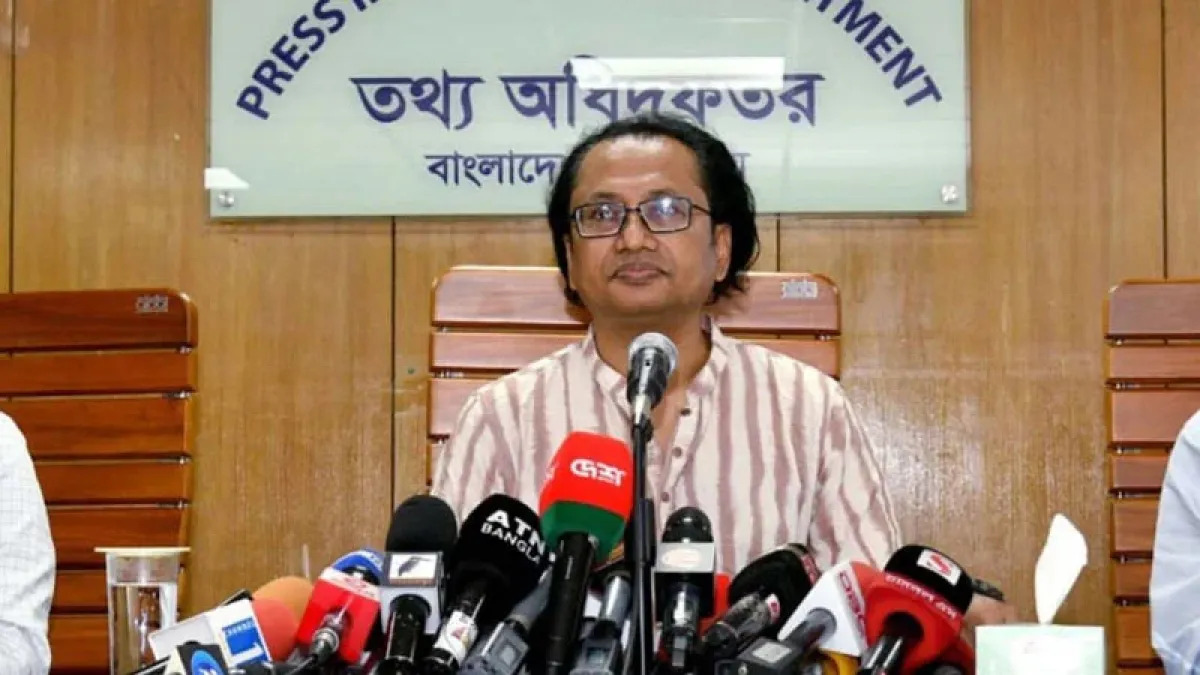
Sri Lanka has earned a significant $3.7 billion in revenue from tourist arrivals in the first half of 2025, Minister of Foreign Affairs, Foreign Employment, and Tourism Vijitha Herath announced during an event at the Seeta Amman Kovil in Nuwara Eliya.
Addressing the gathering, Minister Herath emphasized the critical role of tourism in revitalizing Sri Lanka’s post-crisis economy. “As you know, we were economically bankrupt. To recover from that situation, we need to rapidly develop the tourism industry. We are working toward that goal,” he said.
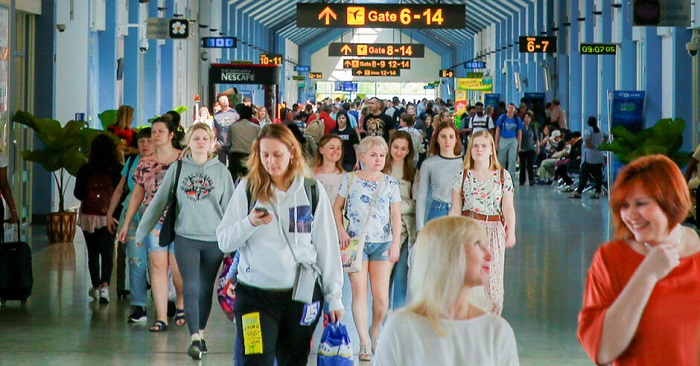
Highlighting progress made so far, the minister noted that 1.3 million tourists have already visited the country this year, generating $3.7 billion in income. The government expects to earn another $3.7 billion by year-end, with a target of attracting 3 million tourists in total.

India remains the top source of inbound travelers to Sri Lanka, especially for religious and cultural tourism. Minister Herath pointed to iconic religious destinations like the Koneswaram Temple in Trincomalee and the sacred city of Kataragama as major attractions for Indian visitors. “That is a major strength for us,” he added.
Tourism Potential in the Bay of Bengal Region
Sri Lanka's tourism growth is part of a broader untapped potential across the Bay of Bengal region, which is home to some of the world's richest natural and cultural heritage sites. The region encompassing coastal and inland areas of Sri Lanka, India, Bangladesh, Myanmar, and Thailand offers a diverse mix of eco-tourism, heritage trails, spiritual circuits, and marine tourism.

Experts believe that increased regional cooperation, improved connectivity, and streamlined visa policies could turn the Bay of Bengal into a thriving multi-nation tourism corridor. From Sri Lanka’s pristine beaches and heritage temples to Myanmar’s ancient cities, Bangladesh’s mangrove forests, and India’s Buddhist circuit, the region is well-positioned to attract millions of global travelers annually
Minister Herath’s remarks come as Sri Lanka intensifies efforts to reposition itself as a premier destination within this broader regional landscape. Plans include infrastructure upgrades, destination marketing, and strategic partnerships with neighboring countries.
With the tourism sector showing strong signs of recovery, Sri Lanka is set to play a leading role in shaping the Bay of Bengal as a dynamic and interconnected tourism hub.
BOB Post