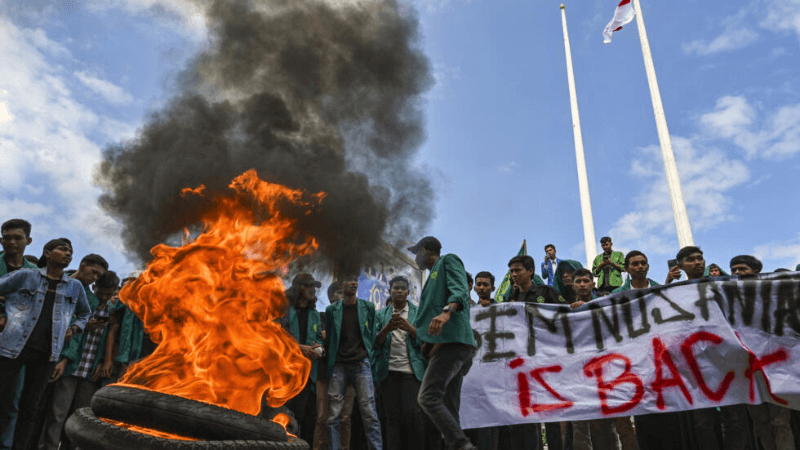
In Aceh province, Indonesia, more than 200 students gathered for a rally demanding the government address the increasing arrival of Rohingya refugees by sea. The protest coincided with the naming of additional suspects in the human trafficking of refugees. Since November, over 1,500 Rohingya, fleeing violence in Myanmar and leaving overcrowded camps in Bangladesh, have sought refuge in Aceh, facing hostility from locals.
Protesters gathered in front of the provincial parliament in Banda Aceh, urging lawmakers to turn away the Rohingyas, expressing concerns about potential social and economic upheaval. Chanting "Get out Rohingya," some protesters criticized the government and the UN refugee agency for perceived mismanagement of the refugee influx, leading to the burning of tires in the streets.
Teuku Wariza, one of the organizers, urged the parliament speaker to take immediate action to remove Rohingya refugees from Aceh. The protesters later marched to a local community hall where Rohingya were sheltered, forcing authorities to relocate them after items belonging to the refugees were discarded.

Disturbing footage obtained by The Associated Press shows a mob, wearing university green jackets, forcibly putting Rohingya women and children on trucks. The incident drew condemnation from human rights groups and the UNHCR, prompting a statement calling on local authorities to protect the refugees and humanitarian workers.
Despite Indonesia's previous tolerance of Rohingya refugees, growing hostility has prompted calls for action from President Joko Widodo's government. In December, President Widodo expressed suspicions of increased human trafficking contributing to the surge in Rohingya arrivals.
On the same day, police in Banda Aceh named two more suspected human smugglers from Bangladesh and Myanmar in connection with the arrival of a boat with refugees on December 10. The boat's captain, a refugee himself, was charged with trafficking.
Foreign Minister Retno Marsudi acknowledged the challenges surrounding the Rohingya issue, emphasizing its complexity. With about 740,000 Rohingya resettled in Bangladesh after fleeing persecution in Myanmar, international concerns persist over their safety and citizenship rights. Ongoing efforts to repatriate the Rohingya face obstacles due to doubts about ensuring their well-being and concerns about grave human rights abuses in Myanmar.
BOB Post