


In response to the surging refugee crisis stemming from the intensifying armed conflict in Myanmar, Thailand and Myanmar have jointly announced the formation of a task force. This collaborative effort aims to provide humanitarian assistance and manage the increasing influx of displaced individuals seeking refuge at the shared border.
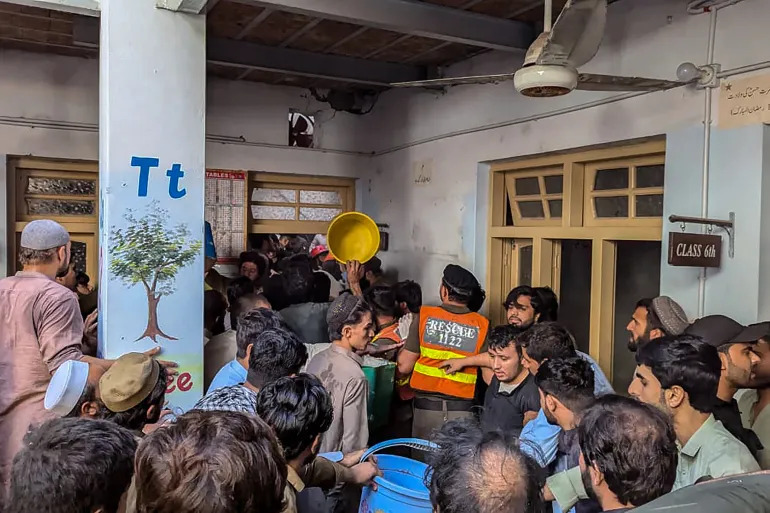
With the United Nations estimating that over 500,000 people have been internally displaced within Myanmar since October 2023 due to heightened clashes, the formation of the joint task force is a critical response to address the humanitarian crisis. The task force's primary objectives include conducting needs assessments, managing border movements, and facilitating the delivery of humanitarian aid to those affected.
Both Thailand and Myanmar emphasize the humanitarian imperative driving this joint effort. Recognizing the urgency to alleviate the suffering of the displaced population, the collaboration also serves broader regional stability goals. The initiative underscores the importance of international cooperation in addressing crises of this magnitude.
While the joint task force offers hope for a coordinated response, several challenges and concerns need to be addressed:
1. Funding: Securing sufficient funding for sustained operations and ensuring the initiative's long-term viability will be crucial for effective humanitarian assistance.
2. Security: The ongoing conflict in Myanmar poses security challenges for both refugees and aid workers, requiring careful consideration and planning to ensure their safety.
3. Accountability:Transparent and accountable distribution of aid, coupled with the protection of refugees' rights, is paramount to the success of the joint initiative.
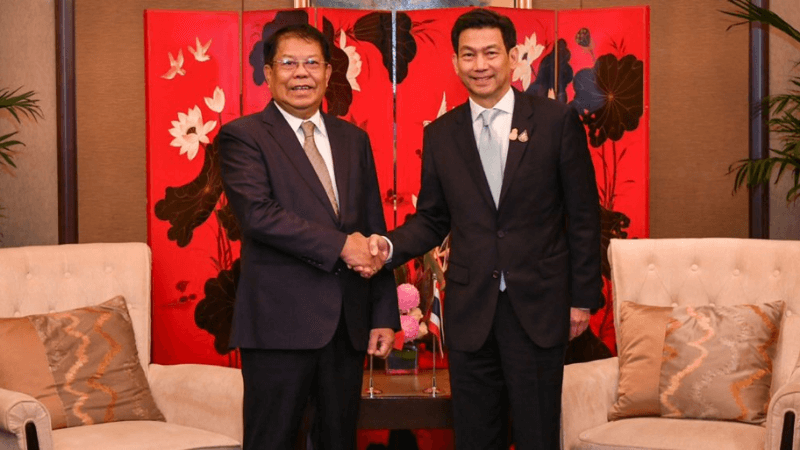
The formation of the joint task force marks a positive step towards addressing the refugee crisis. However, the success of the initiative will depend on international support, effective coordination between Thailand and Myanmar, and a commitment to tackling the root causes of the conflict within Myanmar. The decision to establish the joint task force was reached during a meeting between Myanmar's Deputy Prime Minister and Foreign Affairs Minister, Than Swe, and Thailand's Deputy Prime Minister and Foreign Minister, Parnpree Bahiddha-Nukara. The move aligns with ASEAN's five-point consensus, reflecting an effort to engage constructively with Myanmar and the international community.
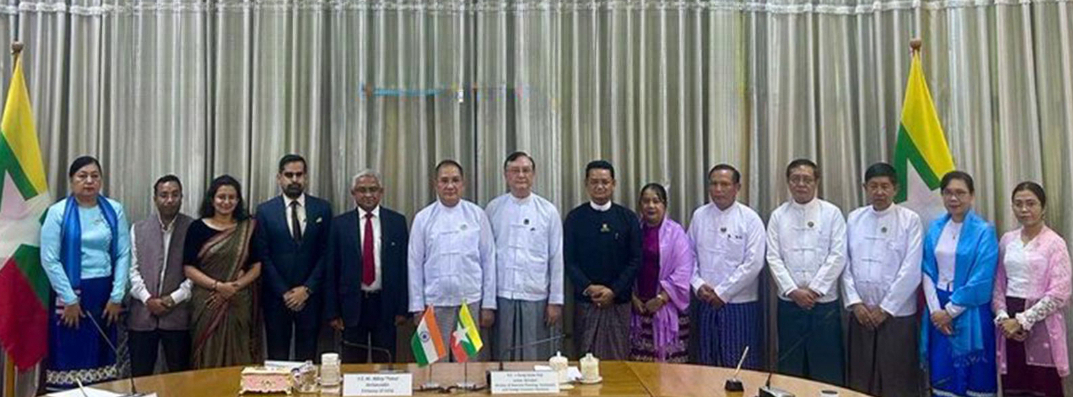
The joint task force will work on increasing humanitarian assistance for those residing along the Thai-Myanmar border. The collaboration holds the potential to be expanded, with aid groups being invited to join efforts if the initial phase proves successful. Myanmar is set to send a team of officials to Thailand for discussions on forming the task force, emphasizing a diplomatic approach to addressing the crisis. In anticipation of a potential influx of refugees, Thailand has expressed readiness to build shelters along the border to accommodate those seeking refuge. While the immediate likelihood of a refugee influx is considered low, the proactive approach demonstrates Thailand's commitment to providing support in the face of escalating violence in Myanmar.
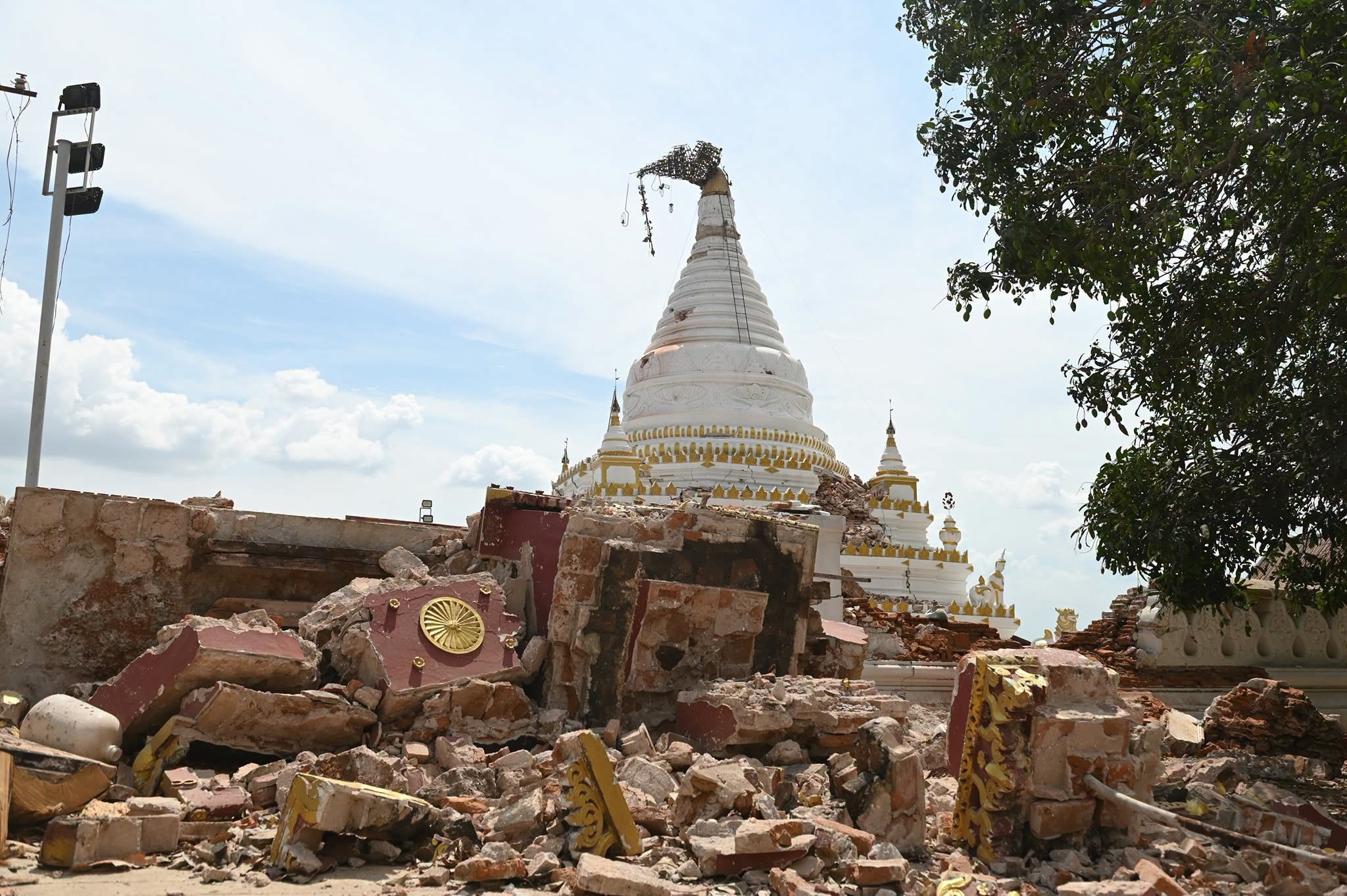
The joint initiative comes against the backdrop of intense fighting in Myanmar's border regions, initiated by an alliance of ethnic armed groups through Operation 1027. The operation has not only inspired coordinated attacks by resistance forces in other parts of Myanmar but has also raised concerns about the potential for further regional instability.
BOB Post