Thailand is looking to Bangladesh for workers to help fill labour shortages after tensions along its border with Cambodia disrupted the recruitment of Cambodian workers in key sectors, including construction, agriculture and halal food processing.
The move could open a new labour market for Bangladeshi workers, as Bangkok considers bringing Bangladesh into its existing framework for foreign worker recruitment. Thai officials have expressed interest in signing a memorandum of understanding (MoU) with Bangladesh that would make it the fifth country covered by Thailand’s worker recruitment arrangements.
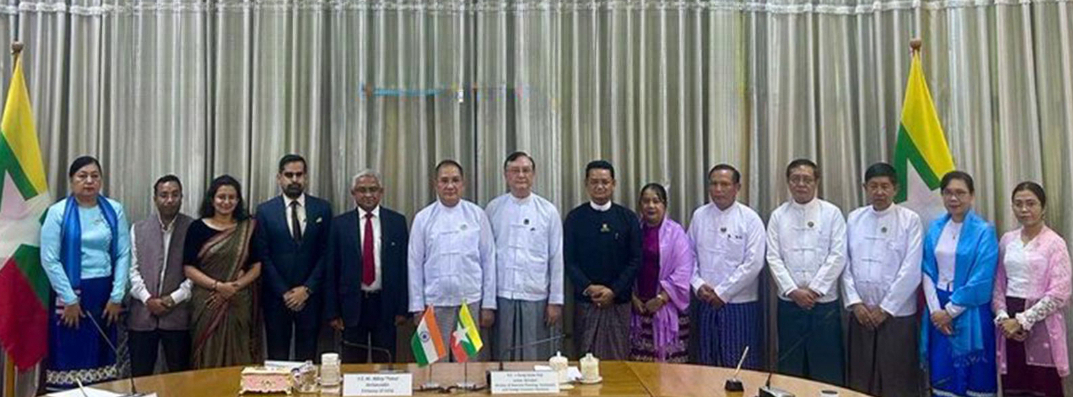
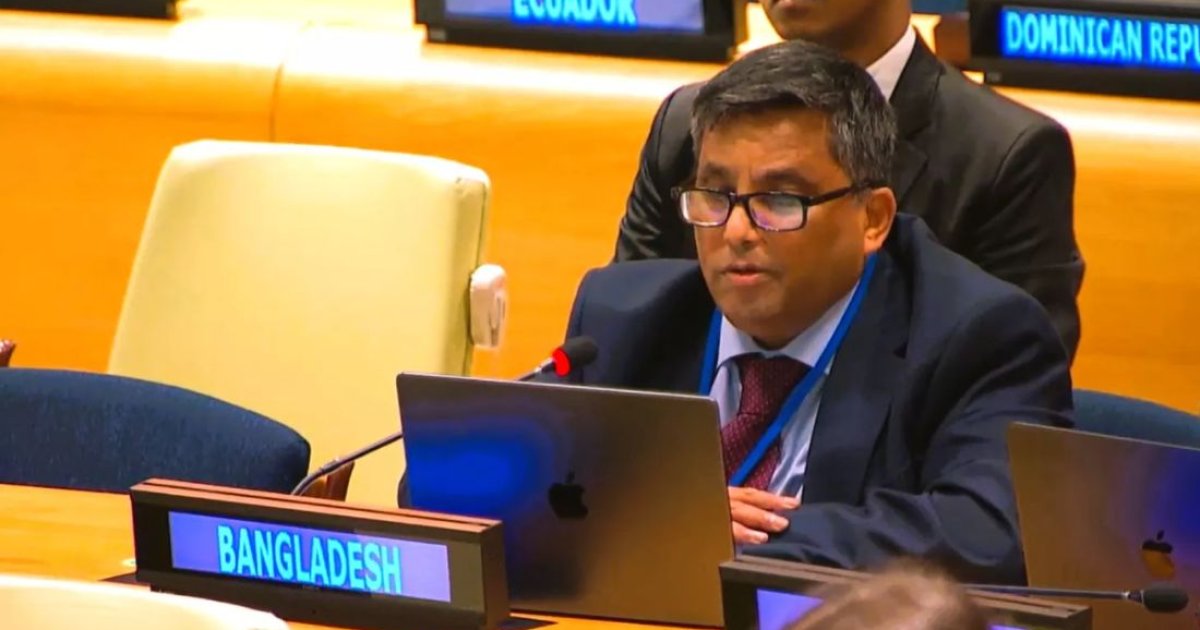
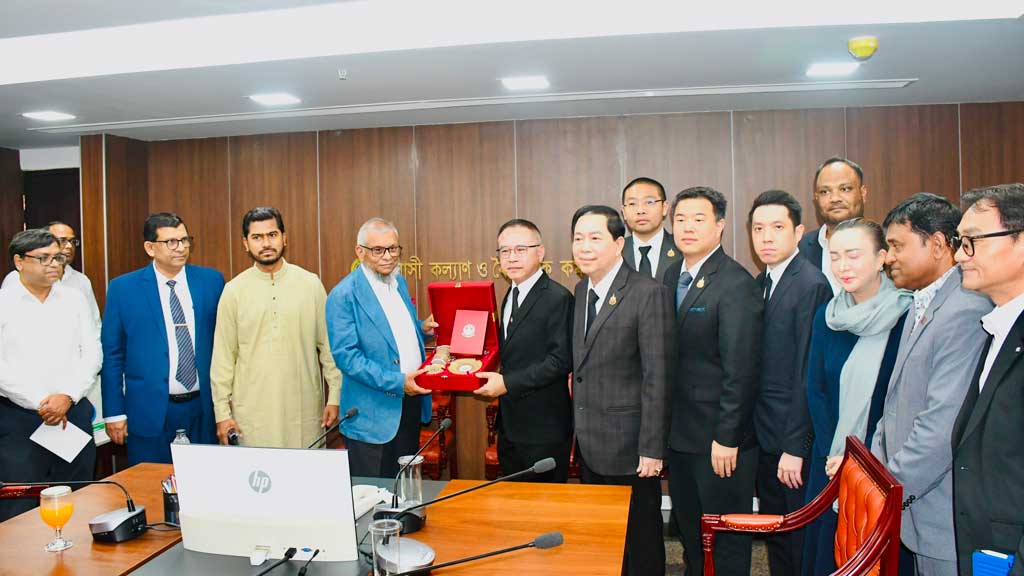
The proposal was discussed on Wednesday during a meeting between Bangladesh’s Expatriates’ Welfare and Overseas Employment Minister Ariful Haque Chowdhury and a delegation from Thailand’s Senate Standing Committee on Labour in Dhaka.
Thailand currently relies on workers from four countries, according to the Thai delegation. But the suspension of recruitment from Cambodia amid recent border tensions has created shortages in several labour-intensive industries.
“Thailand needs workers, while Bangladesh has a large pool of available manpower,” Bangladeshi officials said, highlighting the potential for the two countries to expand labour cooperation.
While Thailand is interested in Bangladeshi workers, Thai officials raised concerns over irregular migration and worker mobility.
Nitrutti Suthinon, chairman of the Thai Senate Standing Committee on Labour, said Bangkok was particularly concerned about workers overstaying their visas, using Thailand as a transit point for onward migration and the risks of human trafficking.
Thai officials indicated that addressing these issues would be important before formal recruitment arrangements could move forward.
Bangladesh, meanwhile, stressed that any future labour agreement should prioritise transparent and ethical recruitment.
Minister Ariful Haque Chowdhury said recruitment costs should primarily be borne by employers, while workers should receive standard employment contracts in their own language, fair wages, accommodation, medical insurance and adequate welfare protection.
Potential new labour corridor
Bangladesh has long sought to diversify its overseas employment destinations beyond traditional markets in the Middle East and Southeast Asia. A formal labour agreement with Thailand could provide another destination for Bangladeshi workers, particularly those with skills relevant to construction, agriculture, manufacturing and services.
Bangladesh has proposed using its state-run recruitment agency, Bangladesh Overseas Employment and Services Limited (BOESL), to facilitate the recruitment of skilled workers for Thailand.
Bangladeshi officials also pointed to opportunities beyond traditional “blue-collar” employment, arguing that qualified Bangladeshi professionals could also meet demand in Thailand’s “white-collar” sectors.
Officials from both sides stressed that low-cost recruitment, transparent procedures and protection of workers’ rights would be essential to making the proposed labour corridor sustainable.
For Bangladesh, the opportunity comes as Thailand confronts a sudden labour gap linked to regional tensions. For Thailand, turning to Dhaka could help ease shortages while reducing dependence on a single neighboring labor source.
The two sides are now expected to work through Bangkok’s concerns and explore the framework for an MoU, potentially opening a new channel of labour mobility between Bangladesh and Thailand.
BOB Post