Thailand is stepping up efforts to reshape ASEAN's approach to Myanmar, signalling a shift from diplomatic isolation toward pragmatic engagement as Bangkok prepares to assume the regional bloc's chairmanship in 2028.
The policy marks a notable departure from the more hardline stance adopted by several ASEAN members following Myanmar's 2021 military takeover. Thai officials argue that the current strategy has failed to reduce violence or advance political dialogue, making renewed engagement the most practical option for restoring regional stability.
According to an analysis published by the East Asia Forum, Thailand believes ASEAN's existing approach has delivered limited results and that deeper, coordinated engagement with Myanmar offers the best chance of easing the prolonged crisis. The analysis notes that Bangkok is seeking to build a broader regional consensus despite significant differences among member states over relations with Myanmar's military authorities.
Prime Minister Anutin Charnvirakul's government has placed regional diplomacy at the centre of its foreign policy since taking office after the February 2026 election. The administration argues that instability in Myanmar directly affects Thailand through refugee flows, cross-border fighting, transnational crime and expanding scam networks operating along the frontier.
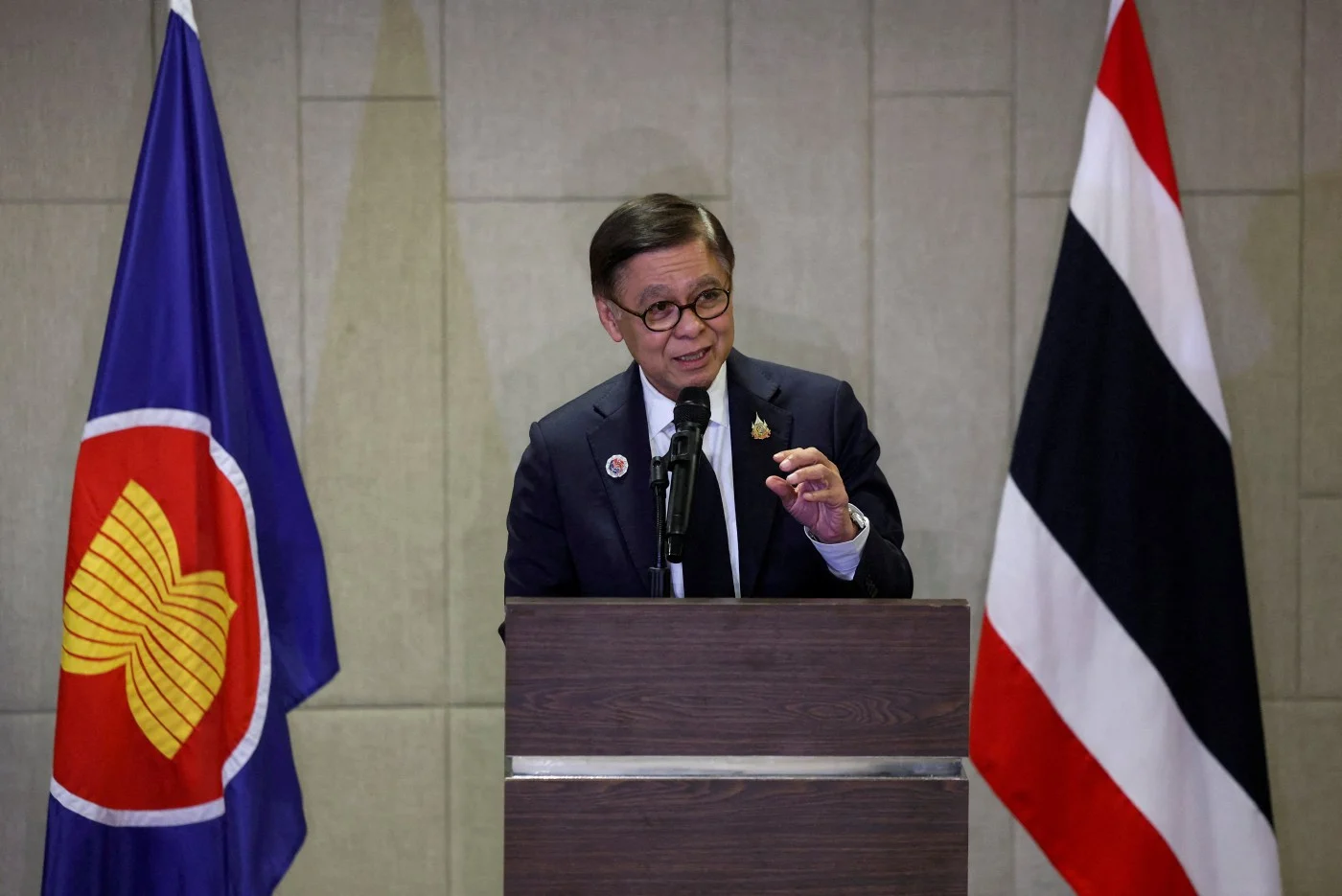
Foreign Minister Sihasak Phuangketkwo has outlined a strategy that combines stronger support for ASEAN's diplomatic mechanisms with what he calls the "three Rs" — regionalism, relevance and resilience. The proposal aims to strengthen ASEAN-led dialogue, reinforce the bloc's central role in regional affairs and build long-term resilience against wider security challenges.
Bangkok is also expected to encourage greater economic engagement with Myanmar, arguing that increased regional cooperation could create incentives for de-escalation and broader political dialogue. Thai policymakers believe gradual engagement may prove more effective than continued diplomatic isolation in encouraging positive behavioural changes.
The initiative comes as divisions within ASEAN continue to shape the bloc's Myanmar policy. While Singapore and Timor-Leste have maintained firm criticism of Myanmar's military leadership, other members, including the Philippines and Indonesia, have recently shown greater willingness to pursue dialogue alongside existing diplomatic pressure.
Although Thailand's strategy does not promise a political settlement or accountability for past abuses, it reflects growing recognition within ASEAN that the current approach has produced few tangible outcomes. As Bangkok prepares for its 2028 ASEAN chairmanship, its push for constructive engagement could become a defining feature of the bloc's evolving response to one of Southeast Asia's most enduring crises.
BOB Post