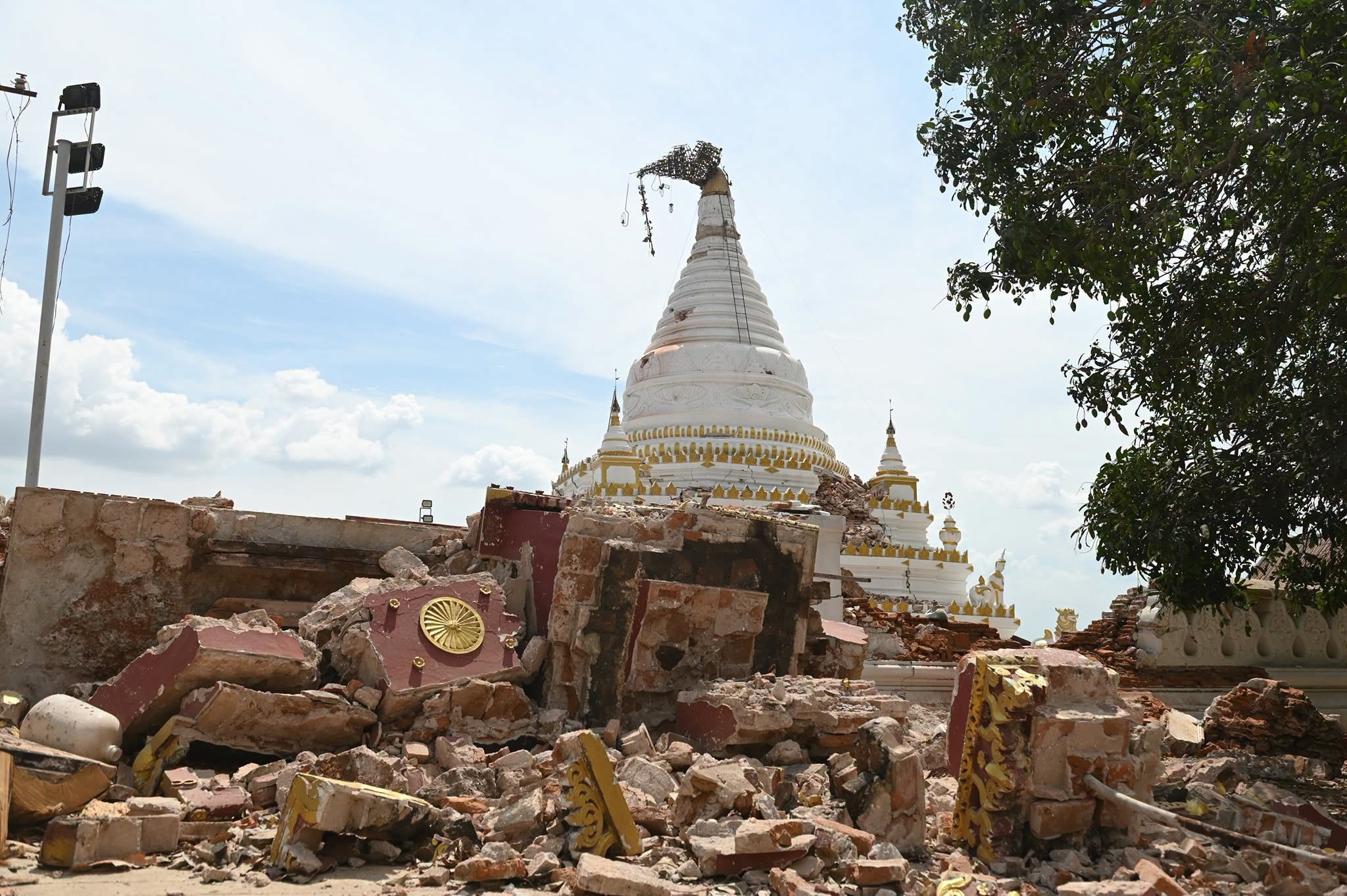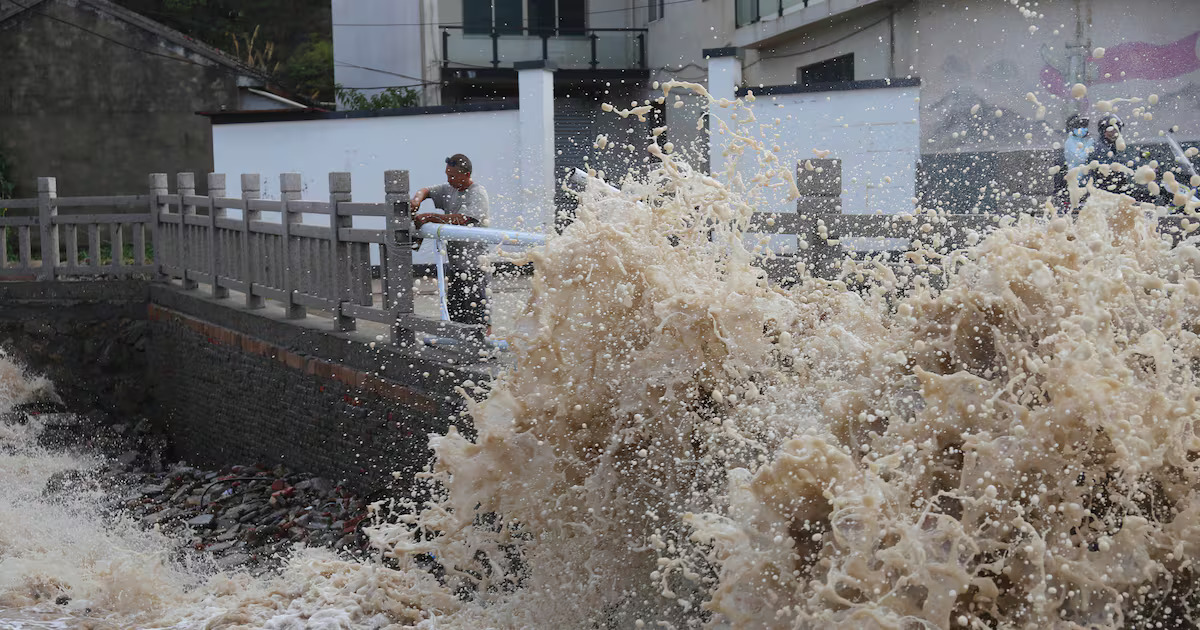
Typhoon Bavi weakened into a severe tropical storm after making landfall in eastern China's Zhejiang province, but continued to lash large parts of eastern China with powerful winds and heavy rainfall on Sunday, prompting mass evacuations and widespread transport disruptions.
According to China's National Meteorological Center, Bavi's maximum sustained winds decreased to around 101 kilometres per hour after landfall. The storm is expected to continue moving northwest across eastern China while bringing heavy rain and strong gusts to several major cities.
Authorities launched extensive precautionary measures ahead of the storm. More than 2.2 million residents were evacuated from Zhejiang province, while over 290,000 people were moved from vulnerable areas in Shanghai. In neighbouring Fujian province, more than 180,000 residents were also relocated to safer locations.
The storm caused significant disruption to air travel. Shanghai's Pudong and Hongqiao international airports cancelled approximately 653 inbound and outbound flights as severe weather affected operations.
In Zhejiang's coastal city of Yueqing, the powerful winds toppled more than 1,300 trees, including at least 700 that were completely uprooted, according to state broadcaster CCTV.
Before reaching mainland China, Bavi passed north of Taiwan on Saturday without making direct landfall. Taiwan's fire department reported that at least 134 people were injured by Sunday morning, with many accidents linked to strong winds, slippery roads and hazardous travel conditions.
Chinese meteorological authorities warned that heavy rainfall, strong winds and possible flooding could continue across eastern China as the storm moves inland. Emergency services remain on high alert, while local governments continue disaster response efforts and monitor conditions in affected areas.
BOB Post