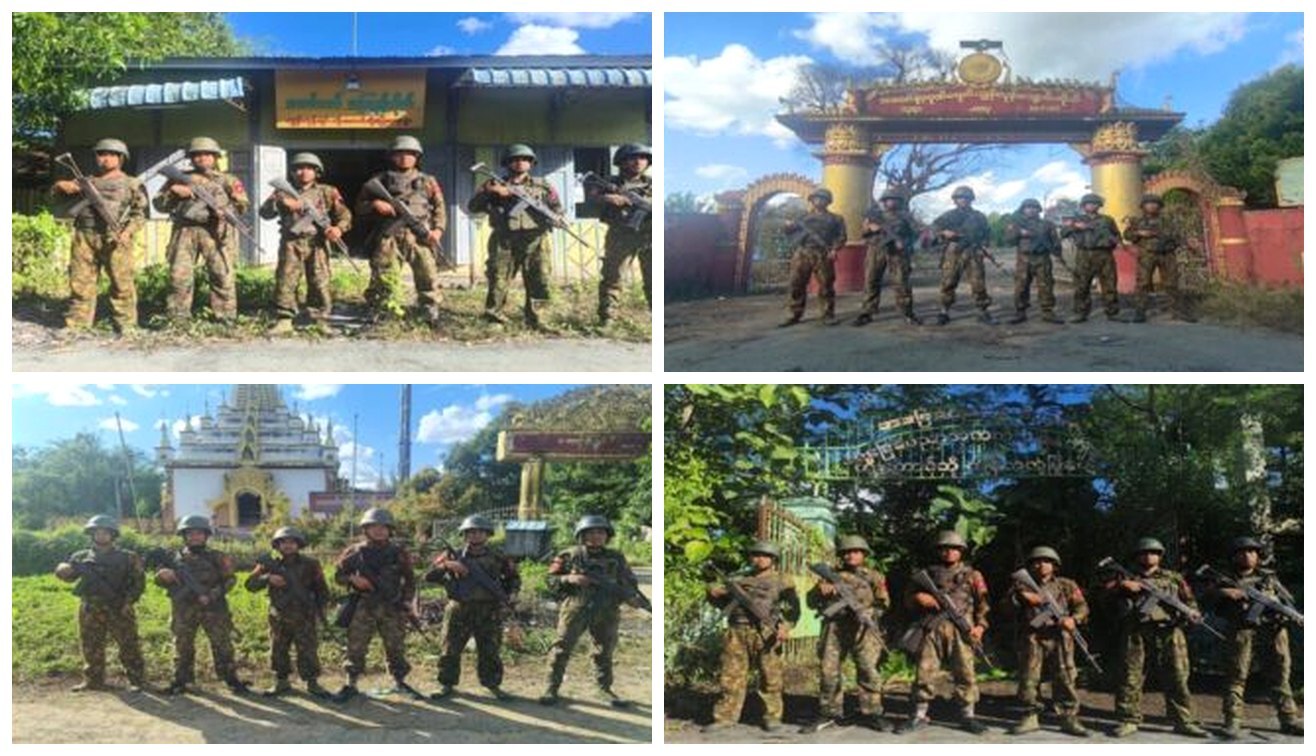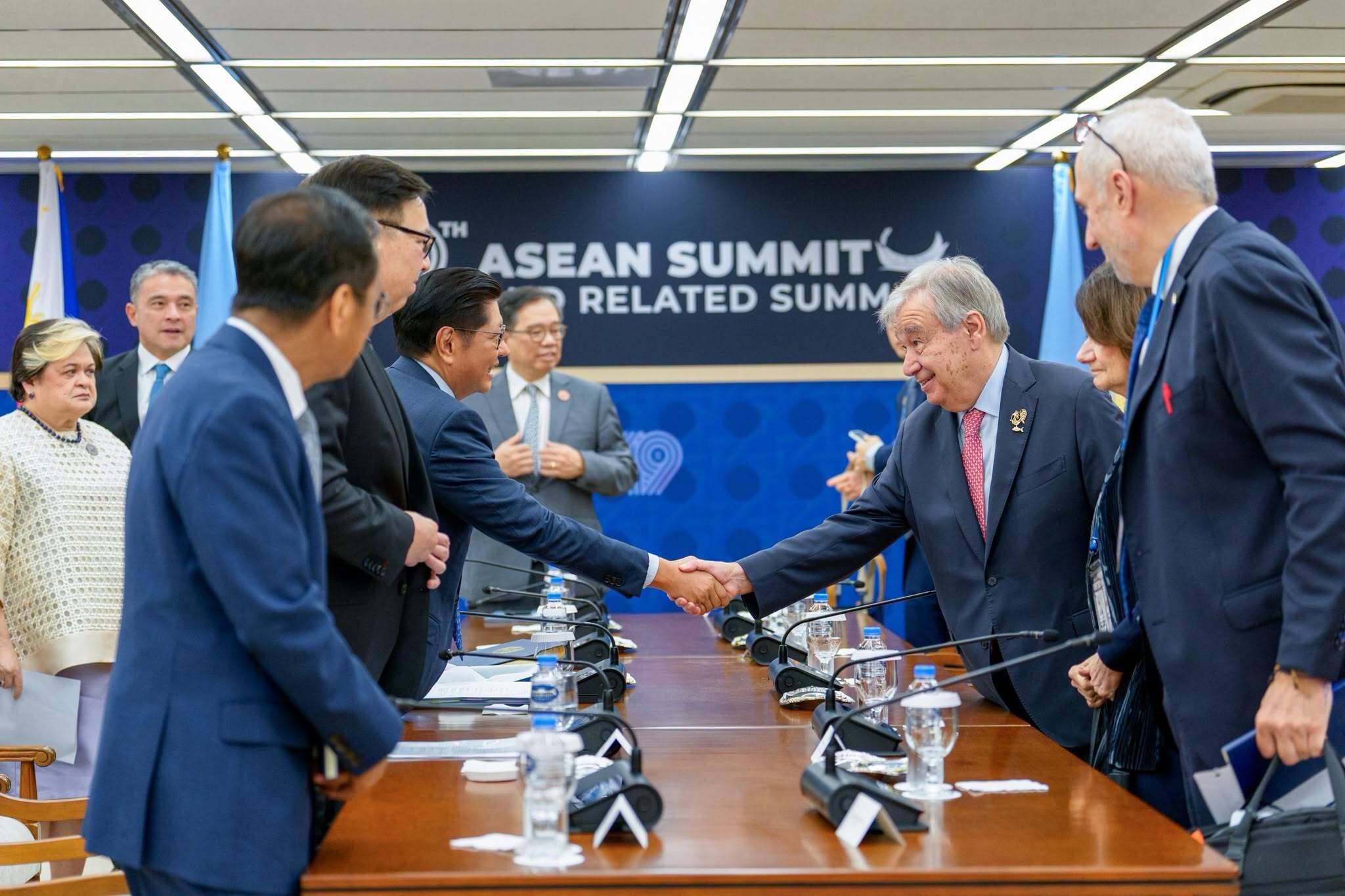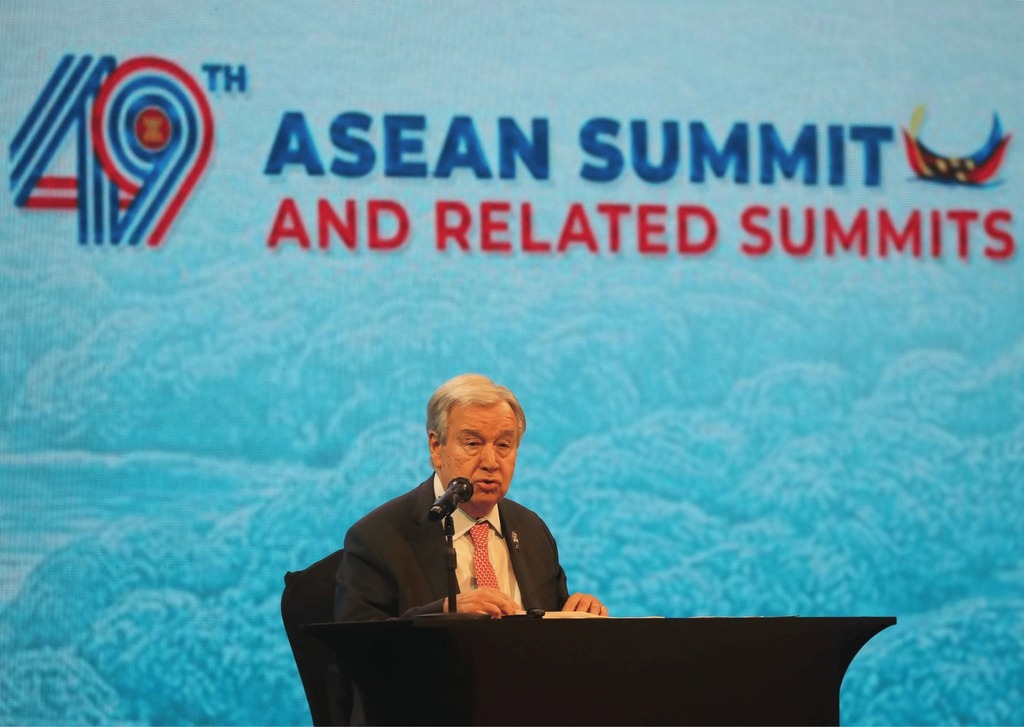
UN Secretary-General Antonio Guterres has backed renewed diplomatic engagement with Myanmar, but stressed that any effort to restore ties must be accompanied by an end to violence and concrete improvements in the country's human rights situation.
Speaking at a press conference on Monday on the sidelines of the ASEAN Summit in Manila, Guterres said the United Nations had never opposed engagement with parties involved in conflicts, while warning that dialogue should not come at the expense of accountability.
His remarks came a day after leaders of the Association of Southeast Asian Nations (ASEAN) agreed to pursue a measured and gradual approach to engagement with Myanmar, signaling a possible shift in the bloc's policy towards the country.
According to Mizzima, ASEAN leaders have called for calibrated engagement with Myanmar based on gradual progress, as the regional bloc continues to seek a way out of the country's prolonged political and humanitarian crisis.
Myanmar has been excluded from high-level ASEAN meetings since the military seized power in February 2021 and detained elected civilian leaders. The bloc has since struggled to implement its Five-Point Consensus, which calls for an immediate end to violence, dialogue among all parties, humanitarian assistance and the appointment of an ASEAN special envoy.
Guterres, however, made clear that diplomatic engagement should not be interpreted as acceptance of ongoing abuses.
"Violence must stop, humanitarian access must be allowed and all those arbitrarily detained must be immediately released," he said, stressing that meaningful progress on these fronts could create conditions for Myanmar to return to a genuine democratic path.
Thailand has taken a leading role in efforts to restore diplomatic engagement with Myanmar since military leader Min Aung Hlaing assumed the civilian presidency earlier this year. However, international observers have dismissed the military-organized election process as lacking credibility.
Bangkok has promoted calibrated engagement as a means of reviving ASEAN's stalled Five-Point Consensus and ending the fighting between Myanmar's military, pro-democracy resistance forces and ethnic armed organizations.
The latest diplomatic push comes as Myanmar faces mounting international scrutiny over alleged genocide against its Rohingya Muslim minority. The International Court of Justice (ICJ), the United Nations' highest court, is preparing to deliver its judgment in the genocide case brought by The Gambia against Myanmar, marking a significant moment in the long-running pursuit of accountability for crimes against the Rohingya.
BOB Post