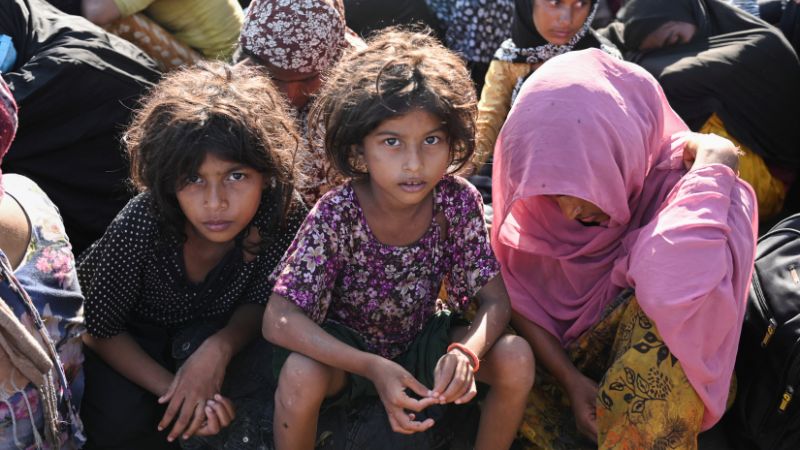
The United Nations' migration agency, the International Organization for Migration (IOM), has reinstated its largest humanitarian assistance program for Rohingya refugees in Indonesia after facing significant funding cuts. The cuts were a consequence of former U.S. President Donald Trump’s decision to suspend the United States Agency for International Development (USAID) program, impacting global humanitarian efforts.
IOM chief Jeff Labovitz confirmed on Wednesday that there would be no further planned reductions in aid for Rohingya refugees in the city of Pekanbaru, located on the western island of Sumatra.
"Our largest programme to provide humanitarian assistance has been reinstated. I can confirm there is no current planned reduction in services," Labovitz told Reuters.
The organization stated that it had "explored various options in response to potential funding challenges" and would be able to continue its work as the necessary resources remained available. However, the ongoing crisis highlights the severe consequences of financial instability in humanitarian aid programs.
Humanitarian Alert Over Aid Cuts
The reinstatement of IOM’s program in Indonesia comes after a recent letter dated 28 February revealed that aid to 925 Rohingya refugees in Pekanbaru had been significantly reduced due to funding shortages. This included cuts to healthcare and cash assistance, which are crucial for the well-being of the refugees.
The decision to reinstate aid offers temporary relief, but wider concerns remain about the future of humanitarian assistance for Rohingya refugees globally. The Trump administration’s withdrawal of USAID funding had led to a massive shortfall in resources, particularly affecting Rohingya refugees who depend on international support for survival.
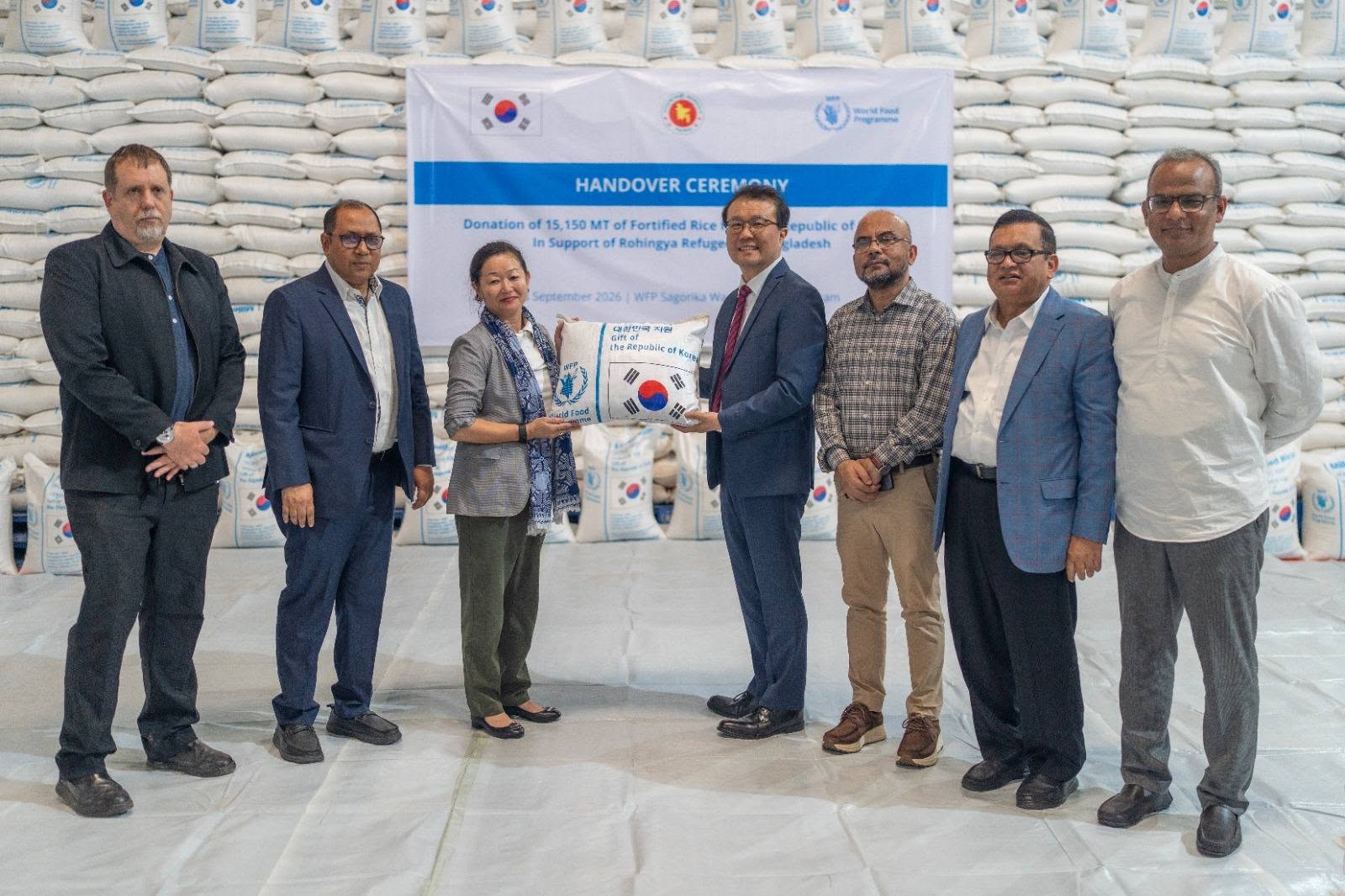
The cuts have not been limited to Indonesia. In Bangladesh’s Cox’s Bazar—the world’s largest Rohingya refugee camp—the United Nations’ World Food Program (WFP) recently announced plans to slash food rations by more than half starting in April. The move has sparked alarm among humanitarian organizations and local authorities.
Mohammed Mizanur Rahman, chair of the Bangladesh agency overseeing the refugee camps, told The Independent that the WFP confirmed a significant reduction in monthly food rations. “This will lead to grave consequences for the community,” Rahman warned.
Dire Consequences for Rohingya Refugees
The Rohingya—one of the world’s largest stateless populations—have been fleeing persecution in Myanmar for years. Hundreds of thousands reside in overcrowded camps in Bangladesh, where living conditions are already dire. Many risk dangerous sea journeys to Thailand, Indonesia, Sri Lanka, and Malaysia in search of safety and better living conditions.
With food rations set to decrease and funding shortages affecting healthcare and essential services, the humanitarian situation is expected to worsen. The cuts could lead to increased malnutrition, health crises, and further displacement of Rohingya refugees who are already living in precarious conditions.
Humanitarian organizations have urged the international community to step in and fill the funding gap to prevent a catastrophic humanitarian crisis. If immediate action is not taken, the Rohingya population will face unprecedented levels of hardship, threatening their survival and dignity.
As global attention remains on conflicts and crises elsewhere, aid organizations emphasize that the plight of the Rohingya should not be forgotten. The reinstatement of the IOM program in Indonesia is a step in the right direction, but a sustainable long-term funding solution is essential to support one of the world’s most vulnerable communities.
BOB Post