A high-level conference addressing the plight of Rohingya Muslims and other minorities in Myanmar commenced today( September 30) at the United Nations Headquarters in New York. The event, held in the General Assembly Hall, has drawn significant international attention, with representatives from at least 75 countries and organizations, including heads of state and government, in attendance.
The conference, which began at 10:00 am local time, aims to mobilize renewed political support and sustain international focus on the long-running crisis. According to Abul Kalam Azad Majumder, the chief adviser’s deputy press secretary, the primary objectives are to review the overall humanitarian situation, address the root causes of the conflict, and tackle pressing human rights issues.
A central goal of the gathering is to formulate a comprehensive, innovative, and time-bound plan for a sustainable resolution. Ensuring the voluntary, safe, dignified, and sustainable return of Rohingya Muslims to their homes in Myanmar remains a top priority for the delegates.

Professor Muhammad Yunus, the Chief Adviser of the interim government of Bangladesh, is a prominent speaker in the opening session. Other key representatives include Turkey, speaking for the Organization of Islamic Cooperation (OIC), and Kuwait, representing the Gulf Cooperation Council (GCC).
The conference follows a series of high-level discussions held on Monday. Chief Adviser Yunus met separately with UN High Commissioner for Refugees Filippo Grandi, the UN Secretary-General’s Special Envoy on Myanmar Julie Bishop, and UNICEF Executive Director Katherine Russell.
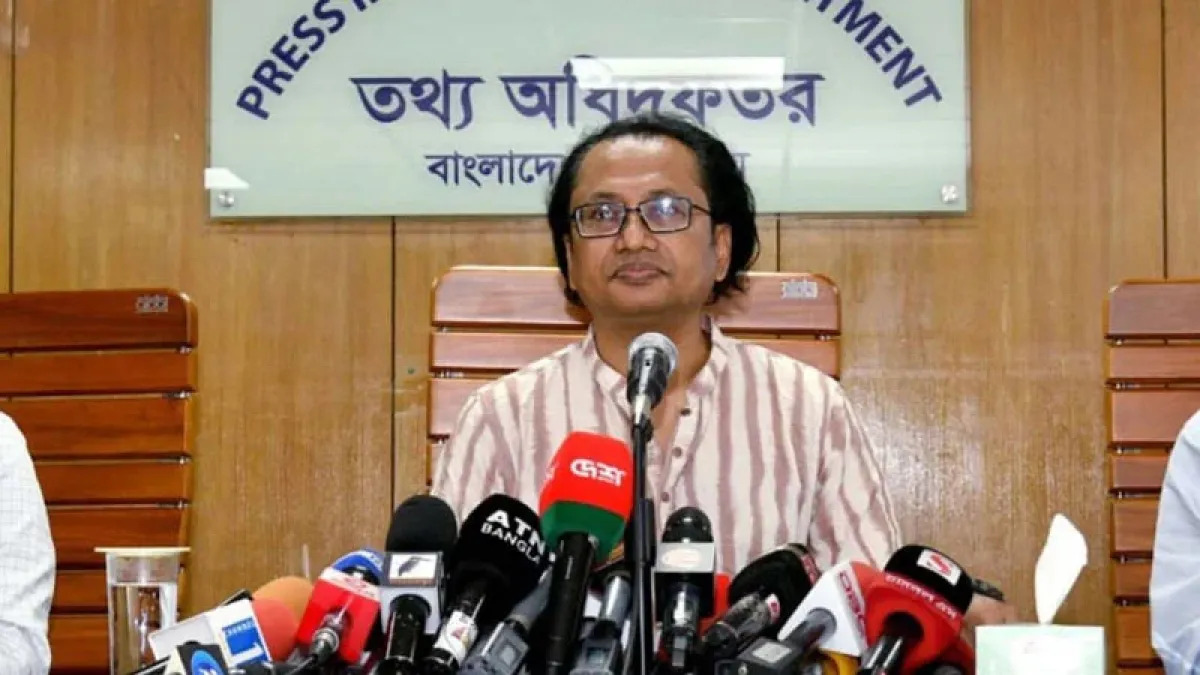
Briefing reporters on these meetings, Chief Adviser's Press Secretary Shafiqul Alam stated that the discussions covered the broader Rohingya situation amid the ongoing civil war in Myanmar's Rakhine state. Key topics included viable pathways for repatriation, strategies to increase international funding for refugees living in camps, and initiatives to provide education and skills training for Rohingya children.
BOB Post